






Trying to figure out the cost of dental work can sometimes feel like you’re trying to solve a puzzle with missing pieces. When it comes to a high-quality restoration like a zirconia bridge, you deserve a clear picture of the investment. This guide is here to demystify the zirconia bridge price by giving you a complete and transparent overview. We’ll cover everything that goes into the final cost, including lab fees, preparatory treatments, and how insurance can help. Our goal is to remove the guesswork so you can feel fully informed and comfortable as you take the next step toward a healthier, more confident smile.
Key Takeaways
- Think beyond the initial price tag: A zirconia bridge is an investment in durability. Its incredible strength means you’re less likely to pay for future repairs, making it a cost-effective choice for your smile in the long run.
- Your final cost is personalized: The price of a zirconia bridge isn’t one-size-fits-all. It’s based on key factors like the number of teeth being replaced, any prep work needed, and your dentist’s specific location and expertise.
- Explore your payment options: You don’t have to pay for everything at once. Talk to your dental office about using your insurance benefits, setting up an in-house payment plan, or using third-party financing to make the cost more manageable.
What Is a Zirconia Bridge?
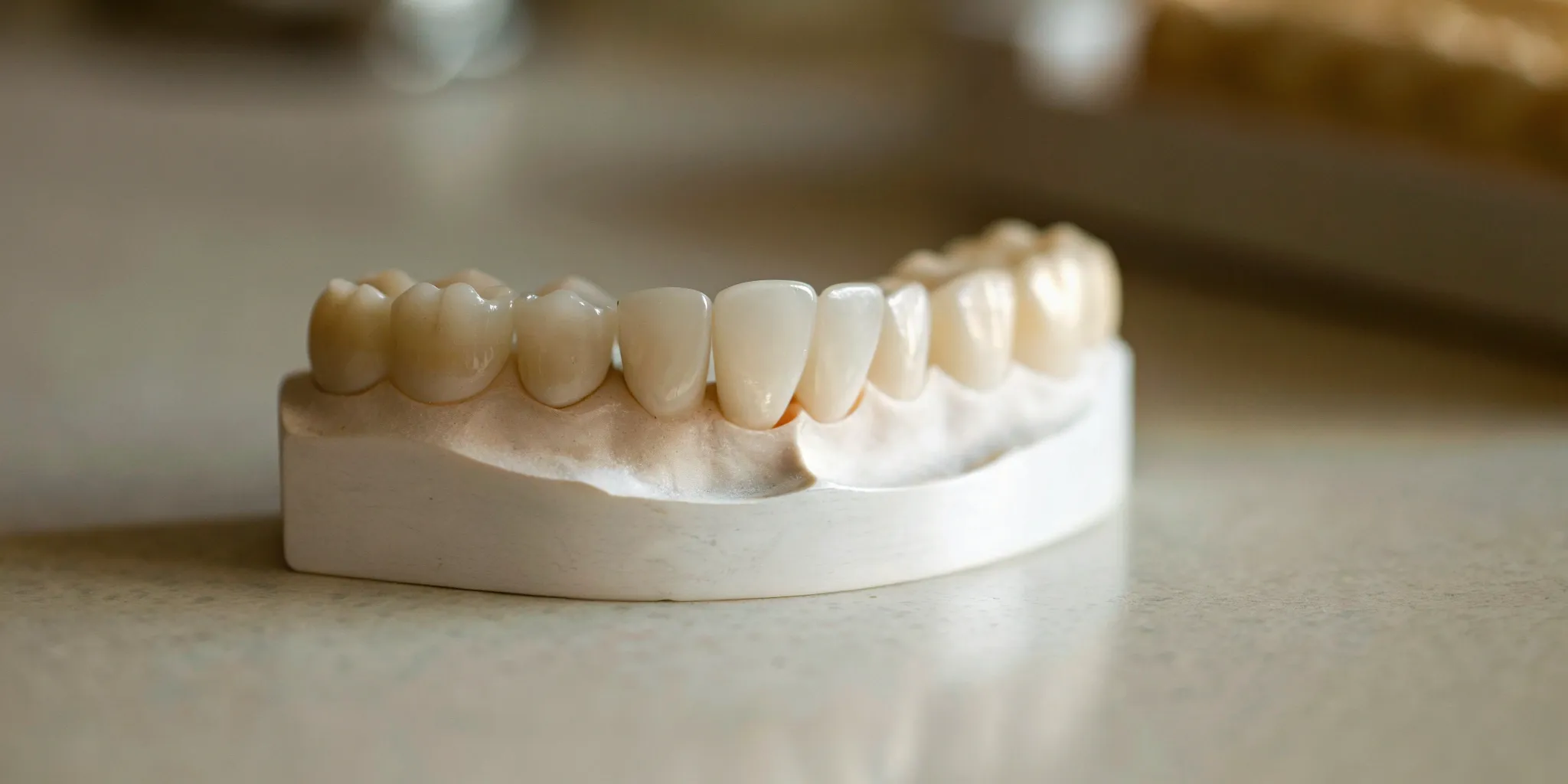
A zirconia bridge is a modern, reliable solution for replacing one or more missing teeth. Think of it as a set of connected crowns. The false teeth, called pontics, fill the gap, while the crowns on either end are fitted over your existing teeth to hold the entire restoration securely in place. Unlike removable dentures, a bridge is a fixed part of your smile. Zirconia, a type of ceramic, is the star material here. It’s known for its incredible strength and natural, tooth-like appearance, making it a top choice for creating durable and beautiful dental work that blends seamlessly with your smile.
How Does It Work?
The process for getting a zirconia bridge is straightforward and uses advanced dental technology. It starts with preparing the teeth on either side of the gap, which will act as anchors. Your dentist then takes a precise 3D digital scan of your mouth—no more messy impression trays. This scan is sent to a lab where a computer designs your custom bridge. The bridge is then milled from a solid block of zirconia before being heated in a special oven to give it maximum strength. Finally, it’s polished and glazed to perfectly match the color and sheen of your natural teeth. At your final appointment, your dentist will check the fit and permanently bond the bridge in place, completing your smile makeover.
Why Dentists Prefer Zirconia
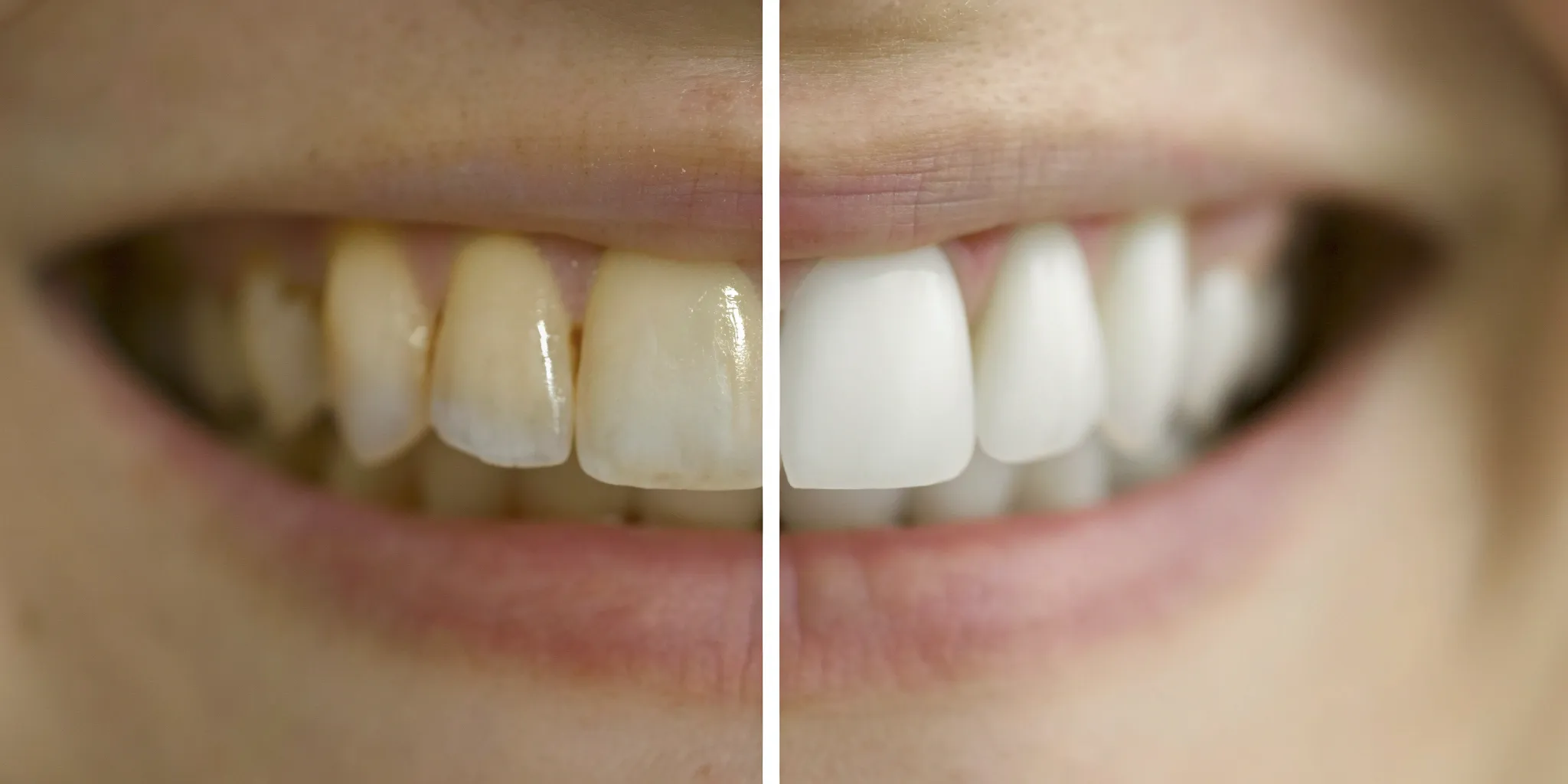
Dentists and patients love zirconia for a few key reasons. First, its strength is unmatched. Zirconia is even stronger than traditional porcelain, so it can easily handle the force of chewing and is an excellent choice if you clench or grind your teeth. It’s also biocompatible, meaning your body and gums accept it well, minimizing the risk of irritation. Aesthetically, zirconia is a winner. It’s naturally white and has a translucency that mimics real tooth enamel. We can perfectly color-match it to your surrounding teeth, ensuring your bridge is virtually undetectable. Because it’s completely metal-free, you’ll never have to worry about a dark metal line showing at your gums, a common issue with older types of bridges. This makes it a fantastic material for all types of cosmetic dentistry.
How Much Does a Zirconia Bridge Cost?
Let’s talk about one of the most important questions on your mind: the cost. Investing in your smile is a big decision, and understanding the price of a zirconia bridge is the first step. While the final cost depends on your specific needs, we can break down the typical price range to give you a clearer picture of what to expect. Zirconia is a top-tier material for a reason—it’s incredibly strong and looks just like your natural teeth, making it a fantastic long-term solution for restoring your smile.
Understanding the Average Price
On average, you can expect a zirconia bridge to cost somewhere between $4,000 and $8,000. This range reflects the premium quality of the zirconia material, which is prized for both its durability and its beautiful, natural appearance. Think of it as an investment in a long-lasting, confident smile. When you choose zirconia, you’re paying for a restoration that can withstand daily wear and tear while blending in seamlessly with your other teeth. This makes it a popular choice in modern cosmetic dentistry.
Breaking Down the Cost Per Tooth
To get more specific, let’s look at a standard 3-unit bridge, which is designed to replace a single missing tooth. For this type of restoration, the cost typically falls between $2,400 and $4,500, with a national average of about $3,542. This price covers the entire three-part structure: two crowns that fit over the teeth on either side of the gap and the artificial tooth that fills the space. Understanding this breakdown helps clarify how the price is calculated and gives you a solid baseline for planning your budget for a smile makeover.
How Your Location Affects the Price
It’s also important to remember that where you live plays a role in the final cost. Dental fees often vary based on geographic location, with prices tending to be higher in major metropolitan areas where the cost of living is greater. So, a zirconia bridge in a large city might cost more than the same procedure in a smaller town. The best way to get an accurate and personalized quote is to schedule a consultation. A local dentist can assess your needs and provide a detailed treatment plan as part of your general dentistry care.
What Factors Influence the Final Cost?
When you see a price range for a zirconia bridge, it’s helpful to understand what goes into that number. The final cost isn’t arbitrary; it’s a reflection of the personalized care, materials, and expertise required to restore your smile. Think of it less like buying a product off the shelf and more like commissioning a custom piece of art that’s also a feat of medical engineering.
Several key factors come together to determine your total investment. These include the scope of the dental work, the specific materials used, and any preparatory treatments you might need to ensure the bridge is successful and long-lasting. Understanding these components will help you have a more informed conversation with your dentist and see exactly where the value lies in your treatment plan. Let’s break down the main elements that shape the final price.
The Size of Your Bridge
One of the most direct factors influencing the cost is the size of the bridge itself. Simply put, a bridge designed to replace more teeth will require more material and more of your dentist’s time to create and place. A three-unit bridge (filling a single-tooth gap) will naturally cost less than a six-unit bridge that spans a larger gap. Each additional tooth, or “pontic,” adds to the complexity of the design and the amount of high-quality zirconia needed, which is reflected in the final price.
Your Dentist’s Expertise and Location
The cost of dental work can also vary based on your geographic location, with services in larger metropolitan areas often priced differently than those in smaller towns. More importantly, the experience and skill of your dental team play a significant role. A dentist with advanced training in cosmetic dentistry and complex restorative procedures may have a different fee structure. This reflects their specialized expertise, which is crucial for achieving a durable, functional, and natural-looking result that you’ll be happy with for years to come.
Lab Fees and Material Quality
A significant portion of the cost is tied to the creation of your custom bridge in a dental laboratory. Highly skilled technicians use advanced digital technology to design, mill, and hand-finish your zirconia bridge to precise specifications. These lab fees can be substantial, especially for a full-arch restoration. The quality of the zirconia itself also matters. Top-tier zirconia offers superior strength and a more translucent, tooth-like appearance, but it comes at a higher material cost than standard options or older materials like porcelain-fused-to-metal.
The Complexity of Your Treatment
Your unique dental health situation is a major factor. Before a bridge can be placed, you might need other procedures to create a healthy foundation. For example, if a damaged tooth needs to be removed, the cost of the oral surgery will be added to your treatment plan. Other preparatory work, like a deep cleaning, gum disease treatment, or a CT scan for precise planning, will also contribute to the overall cost. These initial steps are essential for the long-term success of your zirconia bridge.
Zirconia vs. Other Dental Bridges: A Cost Comparison
When you’re looking to replace missing teeth, you’ll find there are several types of dental bridges to choose from. While zirconia is a top-tier material, understanding how it compares to other options can help you feel confident in your decision. The right choice for you will balance your budget, aesthetic goals, and the specific location of the bridge in your mouth. Each material has its own set of benefits, and seeing them side-by-side makes it easier to determine which one aligns with your priorities for a healthy, beautiful smile.
This comparison will walk you through how zirconia stacks up against other popular materials in terms of performance, appearance, and overall cost. Think of it as a guide to help you and your dentist decide on the best long-term investment for your oral health and a key part of your overall cosmetic dentistry plan.
Zirconia vs. Metal-Ceramic Bridges
Metal-ceramic bridges have been a reliable dental solution for years, but they come with a few trade-offs. As the name suggests, they have a metal base covered with a layer of ceramic. While functional, the metal can sometimes cause issues. Zirconia bridges, on the other hand, are completely metal-free, which eliminates any risk of metal allergies.
Because they don’t have a dark metal core, zirconia bridges look much more natural and blend seamlessly with your existing teeth. You’ll never have to worry about a dark line appearing at your gumline, which can sometimes happen as gums recede around a metal-ceramic bridge. Plus, zirconia won’t corrode or wear down the way metal can, making it a durable and biocompatible choice for your smile.
Zirconia vs. All-Ceramic Bridges
All-ceramic bridges are another excellent metal-free option known for their beautiful, translucent appearance. They are a great choice for restoring front teeth where aesthetics are the primary concern. However, when it comes to sheer strength, zirconia has the edge. Zirconia is significantly stronger and less likely to chip or fracture than most all-ceramic materials.
This superior durability makes zirconia an ideal material for bridges anywhere in the mouth, especially for replacing molars that handle heavy chewing forces. While both options offer a natural look, zirconia’s incredible strength provides extra peace of mind. This resilience is why it’s often a go-to material for a complete smile makeover that needs to be as strong as it is stunning.
Zirconia vs. Porcelain-Fused-to-Metal (PFM) Bridges
Porcelain-fused-to-metal (PFM) bridges are a traditional and often more budget-friendly choice. A typical PFM bridge can cost between $3,000 and $7,000, while a zirconia bridge generally ranges from $4,000 to $8,000. The lower price point of PFM reflects the difference in materials and aesthetic outcomes. While PFM bridges are strong, their metal foundation can make the porcelain look opaque and less lifelike.
Zirconia looks more natural and is very strong, but it does cost more than PFM. The higher investment in zirconia pays off in its superior aesthetics—no gray line at the gums—and its remarkable durability. When considering tooth replacement options, it’s helpful to compare the long-term value of different solutions, including other premium choices like dental implants.
Will Insurance Cover My Zirconia Bridge?
Navigating dental insurance can feel like a puzzle, but when it comes to a zirconia bridge, there’s good news: many plans do offer coverage. The key is understanding what your specific policy includes and how the treatment is categorized. Whether your bridge is needed for your health or to perfect your smile plays a big role, as does the fine print in your insurance plan. Let’s walk through what you can typically expect and how you can make the most of your benefits so you can move forward with confidence.
What Your Plan Might Cover
Most dental insurance plans will cover a percentage of the cost for restorative work like bridges, often around 50%. However, every plan has an annual maximum—usually between $1,000 and $1,500—which is the total amount they’ll pay for your dental care in a year. It’s a good idea to check if your policy has specific clauses about “premium” materials like zirconia, as some may have limitations. The best way to get a clear answer is to ask for a pre-treatment estimate. Our team can send this to your insurance company for you, so you’ll know exactly what to expect before committing to the procedure.
The Importance of Medical Necessity
Insurance companies often draw a line between procedures that are medically necessary and those that are purely cosmetic. A dental bridge is typically considered medically necessary when it replaces a missing tooth to restore your ability to chew properly or prevent other teeth from shifting. If the primary goal is to improve your bite and overall dental health, your chances of coverage are much higher. Our dentists at Pearl Dental Group always document the health-related reasons for your treatment, which helps your insurance provider understand the necessity of your zirconia bridge and approve the claim.
How to Maximize Your Insurance Benefits
To get the most out of your coverage, start by reviewing your policy for details on annual limits and waiting periods. If you have a Health Savings Account (HSA) or Flexible Spending Account (FSA), you can use those pre-tax dollars to cover your out-of-pocket costs, which can be a huge help. We also recommend asking for a detailed cost breakdown that includes everything from lab fees to follow-up visits. This transparency ensures there are no surprises along the way. Our office staff is always here to help you understand your benefits and explore all your payment options.
Are There Any Hidden Costs to Expect?
When you get a quote for your zirconia bridge, it’s helpful to ask exactly what it covers. The price of the bridge itself is the main component, but it’s rarely the only line item on your final bill. Think of it like planning a big project—the main purchase is just one part of the overall budget. Several other steps are often necessary to ensure your bridge fits perfectly and lasts for years. These preparatory treatments and long-term maintenance contribute to the overall investment in your smile. A transparent dental team will walk you through every potential cost upfront so there are no surprises. The goal is to create a comprehensive treatment plan that covers everything from initial diagnostics to follow-up care, giving you a clear financial picture from the start.
Your Initial Consultation and X-Rays
Before your dentist can begin designing your bridge, they need a complete understanding of your oral health. This starts with an initial consultation and a series of diagnostic images. Your first visit will likely include a fee for the exam itself, where the dentist assesses the health of the teeth that will support the bridge. To get the full picture, you’ll also need X-rays or even a 3D CBCT scan. These images are critical for planning the procedure, as they show the dentist the structure of your jawbone and the roots of your teeth. This step ensures the foundation for your new bridge is solid. While these diagnostics add to the initial cost, they are a vital investment in the long-term success of your treatment.
Pre-Treatment Work Like Extractions
Sometimes, your mouth needs a little prep work before it’s ready for a bridge. The teeth that will anchor your bridge, known as abutment teeth, must be strong and healthy. If they have any decay or damage, they’ll need to be treated first. Similarly, if the tooth being replaced needs to be removed, the cost of the extraction will be a separate charge. In other cases, you might need treatment for gum disease to ensure the surrounding tissues are healthy. Your dentist will check for this during your initial exam. This foundational work is essential because placing a bridge in an unhealthy environment can lead to failure down the road. Addressing these issues first ensures your new zirconia bridge has the stable, healthy support it needs to last.
Follow-Up Care and Adjustments
Your zirconia bridge is built for the long haul, but it still requires routine care to stay in top shape. Just like your natural teeth, your bridge needs regular professional cleanings and check-ups. These appointments allow your dentist to monitor the bridge, check the health of the supporting teeth, and make sure your bite is comfortable. These visits are part of standard general dentistry and are key to extending the life of your restoration. Occasionally, you might need minor adjustments to perfect the fit and feel. And while zirconia is incredibly durable, it’s important to remember that most dental bridges need to be replaced every 5 to 15 years. Factoring in the cost of future replacement helps you plan for the long-term health of your smile.
How Can I Pay for My Zirconia Bridge?
A zirconia bridge is a wonderful investment in your smile’s health and appearance, but it’s natural to think about the financial side of things. The good news is you don’t have to pay for the entire treatment upfront. Most dental practices understand that fitting this cost into your budget is important, and there are several flexible options available to make your new smile a reality. From plans that let you pay over time to special financing, we can help you find a path forward that feels comfortable and manageable. Let’s walk through some of the most common ways you can cover the cost of your zirconia bridge.
Third-Party Financing
A popular route is third-party financing. This is when a dental practice partners with a specialized financial company to offer patients flexible payment solutions. It’s an excellent option if you prefer to finance your treatment over a longer period. These companies are dedicated to healthcare financing and often provide a variety of plans to suit different budgets, allowing you to get the cosmetic dentistry you need now and pay for it over time. This approach makes it easier to manage the cost of a full smile makeover without delay.
Dental Savings Plans
If you don’t have traditional dental insurance, a dental savings plan can be a fantastic alternative. Think of it as a membership club for your dental health. You pay an annual fee to join the plan, and in return, you get access to significant discounts on a wide range of dental services—including bridges. Discounts often fall between 15% and 25%, which can substantially lower your out-of-pocket costs for a zirconia bridge. It’s a straightforward way to make your dental care more affordable without the complexities of deductibles or annual maximums that come with insurance.
The Pros and Cons of Zirconia Bridges
When you’re considering any kind of dental work, it’s smart to look at the full picture. Zirconia bridges are a fantastic option for replacing missing teeth, but like anything, they have their unique advantages and points to consider. Understanding these can help you feel confident that you’re making the best choice for your smile and your budget. It’s all about weighing what matters most to you—from durability to appearance—and having an open conversation with your dentist about your goals.
Pro: Unmatched Strength and Durability
One of the biggest reasons people choose zirconia is its incredible strength. This material is exceptionally tough—even more so than traditional porcelain—which means it can easily handle the pressure of everyday chewing. If you have a habit of grinding or clenching your teeth, a zirconia bridge is built to withstand that extra force without chipping or breaking. This durability isn’t just about avoiding repairs; it’s about peace of mind. You can eat your favorite foods without worry. Think of it as a long-term investment in your oral health and a reliable foundation for a functional, comfortable bite.
Pro: A Natural Look and Feel
Beyond its strength, zirconia delivers a beautiful, natural-looking result. The material has a translucent quality that mimics the appearance of real tooth enamel, allowing it to blend in seamlessly with your surrounding teeth. We can even custom-match the shade of the zirconia to create a perfect match. A huge plus for many people is that zirconia bridges don’t have a metal base, so you’ll never see that dark gray line along the gumline that can sometimes appear with older porcelain-fused-to-metal bridges. It’s a key part of modern cosmetic dentistry that helps create a smile that looks and feels completely your own.
Con: What to Keep in Mind
The primary consideration with zirconia bridges is the upfront cost. They are typically more expensive than some older alternatives, like metal-ceramic bridges. This higher price reflects the premium quality of the material and the advanced technology needed to craft the bridge. However, it’s helpful to think about the long-term value. Because zirconia is so durable and resistant to chipping, you’re less likely to face costs for repairs or replacements down the road. For many, the initial investment is well worth the longevity, strength, and superior aesthetics that a zirconia bridge provides.
Common Myths About Zirconia Bridge Costs
When you’re exploring options for replacing missing teeth, cost is always a major factor. Zirconia bridges often come up as a top-tier solution, but they’re also surrounded by a few persistent myths about their price. It’s easy to get sticker shock or feel overwhelmed by conflicting information. Let’s clear the air and break down the three most common myths about zirconia bridge costs so you can make a decision that feels right for you and your smile.
Myth: They’re Too Expensive
You might have heard that zirconia bridges are one of the most expensive options, and it’s true the initial cost can be higher. However, it’s helpful to think of it as a long-term investment. Because zirconia is incredibly strong and durable, these bridges last for a very long time, meaning you’re less likely to spend money on future repairs or replacements. Over the years, a zirconia bridge can actually save you money and spare you extra trips to the dentist, making it a cost-effective choice for a lasting smile makeover.
Myth: The Quality Isn’t Worth It
Is the higher price tag really justified by the quality? When it comes to zirconia, the answer is a resounding yes. This material is significantly stronger than traditional porcelain, giving you a powerful and reliable bite. If you have a habit of grinding or clenching your teeth, zirconia’s resilience makes it an ideal choice that can withstand that extra pressure. The quality isn’t just about strength; zirconia offers a beautiful, natural-looking appearance that blends seamlessly with your other teeth. This combination of durability and aesthetics is a core part of modern cosmetic dentistry and provides lasting value.
Myth: Insurance Never Covers Them
The idea that dental insurance won’t touch the cost of a zirconia bridge is a common misconception. The truth is, coverage varies widely from one plan to another. Whether your insurance will help pay often depends on if the procedure is considered medically necessary, like when replacing multiple missing teeth. The best first step is to review your specific insurance plan and have a conversation with our office. We can help you understand your benefits and determine what your out-of-pocket costs might be for your general dentistry needs.
Is a Zirconia Bridge the Right Investment for You?
Choosing a dental bridge is a big decision, and it’s about more than just filling a gap in your smile—it’s an investment in your health, confidence, and daily comfort. When you see the price for a zirconia bridge, it’s natural to wonder if it’s truly worth it. While the initial cost might be higher than some alternatives, looking at the bigger picture helps clarify its value. You’re not just paying for a dental restoration; you’re paying for a long-term solution that is built to last.
The best way to think about it is to weigh the upfront cost against the benefits you’ll get for years to come. A less expensive bridge might save you money today but could lead to more dental visits, repairs, and replacements down the road. Zirconia, on the other hand, is known for its incredible strength and natural appearance, offering peace of mind alongside a beautiful smile. Considering factors like durability and long-term value will help you decide if a zirconia bridge is the right financial and personal choice for you.
Thinking About Long-Term Value
While a zirconia bridge might have a higher initial price, its exceptional lifespan often makes it the more economical choice over time. Think of it this way: other, less durable materials may require frequent repairs or even a full replacement within 5 to 10 years. Those costs can add up quickly, turning a seemingly affordable option into a more expensive one in the long run.
Because zirconia is so resilient, it stands up to daily wear and tear exceptionally well, meaning you’ll likely spend less time and money on future dental work. This makes it a smart investment in your oral health, similar to other permanent solutions like dental implants. Choosing zirconia means you’re opting for a lasting restoration that provides security and confidence for years to come.
Factoring in Durability and Maintenance
One of the biggest advantages of zirconia is its remarkable strength. The material is significantly stronger than porcelain and can handle immense chewing pressure without chipping or cracking. This makes it an excellent option, especially for people who grind or clench their teeth. You can eat your favorite foods without the constant worry of damaging your bridge.
This incredible durability translates directly to lower maintenance. While all dental work requires good hygiene, a zirconia bridge doesn’t demand special treatment beyond your regular brushing, flossing, and check-ups. Its resistance to damage means fewer emergency trips to the dentist for repairs. When you consider that a typical bridge lasts between 5 and 15 years, zirconia’s strength places it at the very top of that range, ensuring your smile stays healthy and intact with routine general dentistry care.
Related Articles
- 7 Key Benefits of a Zirconia Dental Bridge
- What Is a Zirconia Fixed Bridge? A Complete Guide
- Affordable Zirconia Fixed Bridges Treatment in Baton Rouge
Frequently Asked Questions
How long can I expect my zirconia bridge to last? With the right care, a zirconia bridge can easily last for 10 to 15 years, and sometimes even longer. Its incredible strength makes it very resistant to chipping and wear. The key to its longevity is treating it just like your natural teeth with consistent brushing, flossing, and regular dental check-ups to keep the supporting teeth and gums healthy.
Is the process of getting a zirconia bridge painful? Your comfort is the top priority, so the entire area will be numbed before any work begins. You shouldn’t feel any pain during the procedure itself. It’s normal to experience some mild sensitivity in the gums or teeth for a few days afterward, but this is temporary and can be easily managed.
How do I care for my new zirconia bridge? Caring for your bridge is straightforward and very similar to your normal oral hygiene routine. You’ll need to brush twice a day and pay special attention to cleaning underneath the bridge to prevent plaque buildup. We’ll show you the best techniques and tools, like a floss threader or water flosser, to keep the area clean and ensure your bridge lasts for years to come.
Why should I choose a zirconia bridge instead of a dental implant? This is a great question, and the best answer depends on your specific situation. A bridge can be an excellent choice if the teeth next to the gap already have large fillings or need crowns anyway. The process for a bridge is also typically faster than an implant, which requires a longer healing time. We can discuss the pros and cons of each option with you to decide which solution best fits your health and lifestyle.
Will my zirconia bridge look fake or bulky? Not at all. One of the main reasons dentists love zirconia is because it looks so natural. The material has a translucency that mimics real tooth enamel, and it’s custom-shaded to match your surrounding teeth perfectly. Thanks to precise digital scanning and design, your bridge is crafted to fit the exact contours of your mouth, so it will blend in seamlessly without feeling or looking bulky.