






Trying to find a simple answer to how much a single tooth implant cost can feel like searching for a needle in a haystack. You’ll see a wide range of prices online, and that’s because the final number depends on so many personal factors—from your specific oral health needs to where you live. Instead of giving you a vague estimate, we’re going to pull back the curtain and break down every component that contributes to the total cost. We’ll cover the implant materials, your dentist’s expertise, and any preparatory procedures you might need, giving you the clarity you need to understand the true investment in your new smile.
Key Takeaways
- Look at the All-Inclusive Cost: The final price of a dental implant is a package deal that includes the consultation, imaging, all three implant components, and any necessary prep work, so be sure to ask for a complete breakdown.
- View It as a Lifetime Investment: A dental implant is the only solution that protects your jawbone health and prevents other teeth from shifting, making it the most cost-effective choice over time compared to alternatives that require frequent replacement.
- You Have Options to Manage the Cost: Don’t let the price be a barrier; you can make an implant affordable by checking your insurance benefits, using pre-tax FSA/HSA funds, and asking your dental office about payment plans or third-party financing.
What Is a Single Tooth Implant?
If you’re missing a single tooth, you know it can affect everything from your confidence to how you chew your food. A single tooth implant is a modern, permanent solution designed to fix that. Think of it as a complete tooth replacement, from root to crown. It consists of a small, screw-like titanium post that is surgically placed into your jawbone. This post acts as a new, artificial root, creating an incredibly strong and stable foundation for a replacement tooth.
Once the post is secure, a custom-made crown—the part that looks and functions just like a natural tooth—is attached to it. Unlike other options like bridges that may rely on neighboring teeth for support, a dental implant stands on its own. This is a huge advantage because it doesn’t require altering healthy teeth. It not only restores your smile but also helps preserve the health of your jawbone by providing the stimulation it needs to stay strong. Plus, it keeps adjacent teeth from shifting out of place, which can prevent future alignment issues. It’s the closest you can get to growing a new tooth, making it a fantastic part of any cosmetic dentistry plan.
The three core components of an implant
To really understand how a dental implant works, it helps to break it down into its three key parts. Each piece has a specific job, and they all work together to create a seamless and durable replacement tooth.
- The Implant: This is the titanium post that acts as the artificial root. It’s surgically placed into the jawbone, where it fuses with the bone over time. This fusion is what makes the implant so incredibly strong and stable.
- The Abutment: This is a small connector piece that is attached to the top of the implant post. It sits right at the gum line and serves as the bridge between the implant in your jaw and the crown you see.
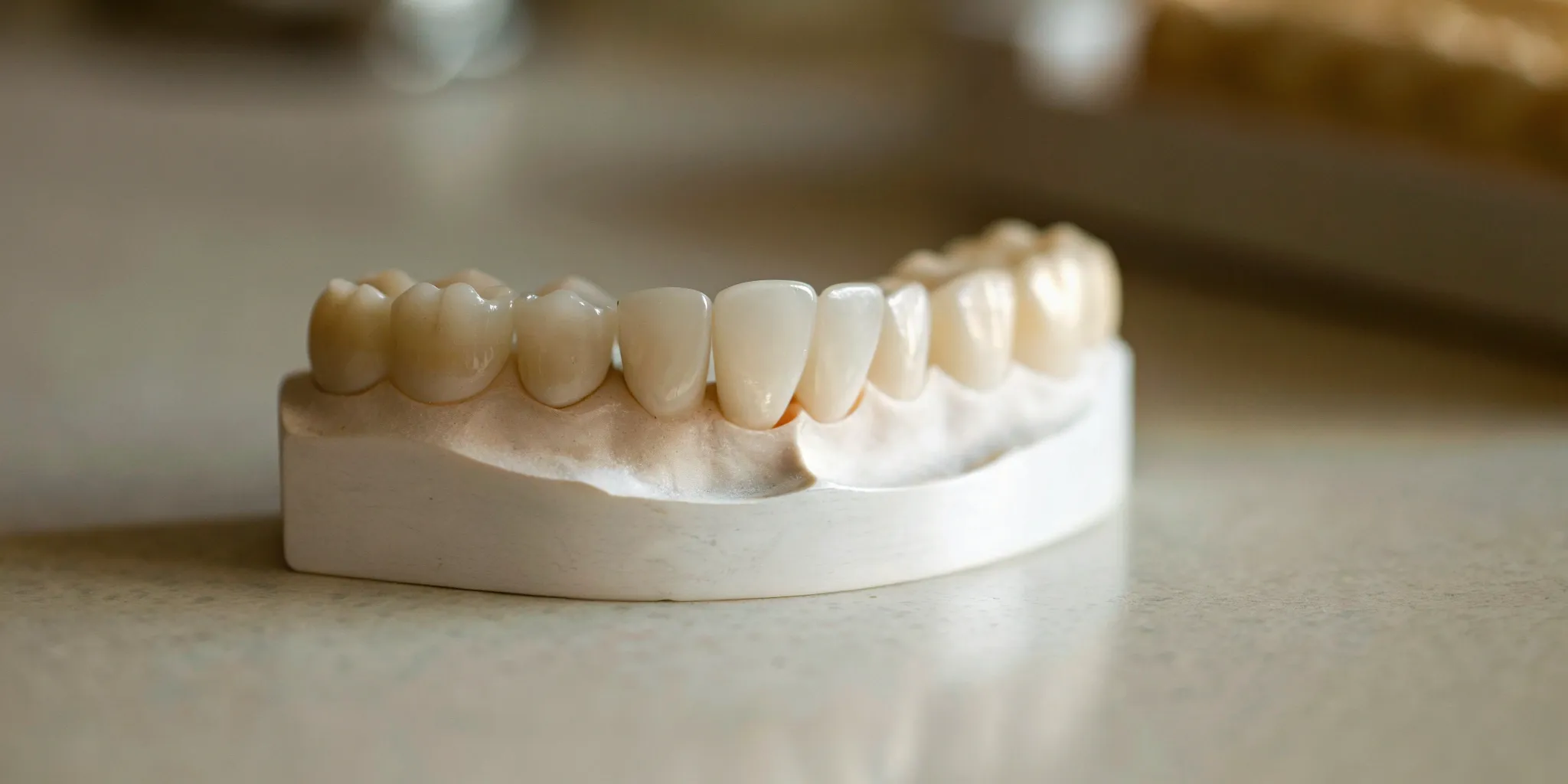
- The Crown: This is the visible, tooth-shaped cap that is secured to the abutment. Each crown is custom-designed to match the color, shape, and size of your natural teeth, ensuring it blends perfectly into your smile makeover.
A step-by-step look at the procedure
The idea of getting an implant might sound intimidating, but the process is a well-planned series of steps designed for your comfort and a successful outcome. It generally unfolds over a few appointments.
First, you’ll have a consultation where we take X-rays and create a personalized treatment plan. Next is the placement procedure, where the titanium implant is gently placed into your jawbone. This is a form of oral surgery performed with local anesthesia to ensure you’re comfortable.
After placement, your jawbone needs time to heal and fuse with the implant, which can take a few months. Once this healing is complete, you’ll return to have the abutment and your beautiful, custom-made crown attached. We’ll make sure the fit is perfect, leaving you with a new tooth that looks, feels, and functions just like the real thing.
How Much Does a Single Tooth Implant Cost?
Figuring out the cost of a single tooth implant isn’t always straightforward because every patient’s situation is unique. Think of it less like buying a product off the shelf and more like a custom solution for your smile. The total price tag is a sum of several parts, including the procedure itself, the materials used, and your dentist’s expertise. While it’s impossible to give a single number that fits everyone, understanding the factors that influence the cost can help you get a clearer picture of what to expect. We’ll break down the main components so you can feel more prepared for your conversation with your dentist.
The typical price range
Let’s start with the big picture. Nationally, the cost for a single dental implant—including the implant post, abutment, and crown—can range anywhere from $3,000 to $7,000. This is a wide range because it covers everything from the simplest cases to more complex ones. Some sources report the average cost for the implant itself to be around $2,143, but this often doesn’t include the crown or other necessary procedures. The key takeaway is that these numbers are just a starting point. Your final cost will depend on your specific dental needs, which can only be determined after a thorough examination.
How your location affects the final price
You know how the cost of living varies from one city to another? The same principle applies to dental care. The price of a dental implant in a major metropolitan area is often higher than in a smaller, more rural town due to differences in overhead costs like rent and staff salaries. For example, a procedure in Hawaii might cost significantly more than the same one in Alabama. Here in Louisiana, prices will vary between different cities and even different practices within Baton Rouge. This geographic variance is a normal part of the healthcare market, so it’s always best to get a quote directly from a local provider.
The role of implant materials and quality
Not all dental implants are created equal. The material used to make the implant post is a major factor in the overall cost. Most implants are made from titanium, a biocompatible metal that has been trusted for decades. It’s strong, durable, and integrates well with the jawbone. A newer alternative is zirconia, a type of ceramic that is white and completely metal-free, which some patients prefer for aesthetic reasons. Zirconia implants can sometimes cost a few hundred dollars more than their titanium counterparts. Your dentist can help you decide which material is the best fit for your health, budget, and cosmetic goals.
Factoring in your dentist’s expertise
The complexity of your individual case plays a huge role in the final cost. A straightforward implant placement will naturally cost less than a procedure that requires additional steps. For instance, if you need a tooth extracted first or require a bone graft to build up your jawbone, these preparatory treatments will add to the total expense. The skill and experience of your dental team are also part of the equation. Working with a highly trained surgeon ensures your procedure is handled with precision and care, which is an invaluable part of your investment in a healthy, long-lasting smile.
What Other Costs Should You Expect?
When you’re planning for a dental implant, it’s helpful to think of the total price as a complete package rather than a single line item. The implant itself—the titanium post, the abutment, and the crown—makes up the core of the cost, but several other essential steps and services are part of the journey to your new smile. Understanding these additional costs upfront helps you create a realistic budget and avoid any surprises along the way.
From the very first appointment to your final check-up, each stage of the process has an associated cost. These can include detailed imaging to map out your procedure, preparatory treatments to ensure your jaw is healthy enough for an implant, and the anesthesia that keeps you comfortable during the surgery. Think of these as investments in the long-term success and stability of your implant. Let’s walk through what you can typically expect.
Your initial consultation and exam
Your journey begins with an initial consultation. This first visit is all about assessing your oral health and creating a personalized treatment plan. Your dentist will perform a comprehensive exam to check the health of your teeth and gums and determine if you’re a good candidate for an implant. This appointment is a great opportunity to ask questions and get a clear picture of the entire process. Without insurance, initial exams and X-rays can range from $200 to $450, covering the dentist’s time and the initial diagnostic work needed to get started.
Necessary X-rays and 3D imaging
To ensure the implant is placed perfectly, your dentist needs a detailed view of your jawbone and surrounding structures. Standard dental X-rays and advanced 3D imaging, like a cone-beam computed tomography (CBCT) scan, provide a precise map for the procedure. This technology allows your dentist to see the exact bone density, nerve locations, and sinus cavities, which is critical for a safe and successful surgery. These detailed scans are a key part of the planning phase and are factored into the overall cost of your treatment.
Preparatory procedures like bone grafts
Not everyone is immediately ready for an implant. If you’ve had a missing tooth for a while, the jawbone in that area may have started to shrink. For an implant to be successful, it needs a solid foundation of bone to fuse with. If your bone isn’t dense enough, a bone graft may be necessary. This common oral surgery procedure involves adding bone material to the area to build it back up. A bone graft can add around $600 or more to your total cost, but it’s a crucial step for ensuring your implant has the support it needs to last a lifetime.
Anesthesia and sedation options
Your comfort during the implant procedure is a top priority. The cost of anesthesia will depend on the type you choose. Local anesthesia, which just numbs the area, is typically included in the surgery price. However, if you feel anxious about the procedure, you might opt for sedation to help you relax. Sedation can range from $50 to $200, while general anesthesia, where you are completely asleep, can cost several hundred dollars per hour. Your dentist will discuss the best options with you to ensure you have a comfortable and stress-free experience.
The cost of a temporary tooth
After the implant post is placed in your jaw, it needs several months to heal and integrate with the bone before the final crown can be attached. During this healing period, you might not want to have a visible gap in your smile. A temporary tooth, sometimes called a flipper or a temporary bridge, can be made to fill the space. This is an optional but popular choice, especially for front teeth. The cost for a temporary restoration is separate from the implant itself and will be added to your total treatment plan.
Aftercare and follow-up visits
Your care doesn’t stop once the surgery is over. You’ll have several follow-up visits to monitor your healing and ensure the implant is integrating properly with your jawbone. These check-ups are essential for catching any potential issues early and making sure your recovery is on track. Once your final crown is placed, you’ll continue with regular check-ups as part of your routine general dentistry care. These follow-up appointments can cost between $100 and $200 per visit and are a vital part of protecting your long-term investment.
How Can You Pay for Your Dental Implant?
The cost of a dental implant can feel like a big hurdle, but it doesn’t have to be a barrier to getting the care you need. Thinking about the price is a practical part of the process, and thankfully, you have several options to make the investment more manageable. From using insurance benefits to spreading out payments over time, there are clear paths to fitting this important procedure into your budget. Let’s walk through the most common ways to pay for your dental implant so you can feel confident and prepared.
By exploring these financial tools, you can focus on what truly matters: restoring your smile and improving your long-term health. Many dental practices, including ours, are ready to help you find a solution that works for you. The key is to understand your options and ask the right questions.
Understanding your dental insurance coverage
The first step for many people is to check their dental insurance plan. Coverage for dental implants can be tricky; some plans view them as a cosmetic procedure and won’t cover the cost, while others may pay for a portion of it, like the crown that sits on top of the implant. It really depends on your specific provider and policy.
The best way to get a clear answer is to call your insurance company directly. Ask them about your coverage for single-tooth implants and any related procedures, like bone grafts or imaging. Our office staff is also experienced in working with insurance providers and can help you understand your benefits and estimate your out-of-pocket costs.
Using an FSA or HSA for your procedure
If you have a Flexible Spending Account (FSA) or a Health Savings Account (HSA) through your employer, you’re in luck. These accounts are designed to help you pay for medical and dental expenses with pre-tax money. Using these funds for your implant means you’re paying with dollars that haven’t been taxed, which can significantly reduce the overall cost of the procedure.
Check with your HR department or account administrator to confirm your balance and learn how to use your funds for dental work. It’s a straightforward way to make your money go further and invest in your health without feeling the full financial impact at once.
Exploring in-house financing and payment plans
Many dental offices understand that patients need flexibility. That’s why we offer in-house financial options and payment plans. These plans allow you to break down the total cost of your implant into a series of manageable monthly payments. This approach removes the pressure of paying a large sum upfront and allows you to start your treatment right away.
During your consultation, don’t hesitate to ask about the payment plans available. We can walk you through the terms, help you find a plan that fits your budget, and answer any questions you have. Our goal is to make sure financial concerns don’t stand in the way of a healthy, confident smile.
Options for third-party financing
Beyond in-house plans, third-party financing is another popular choice. Companies like CareCredit specialize in financing for healthcare procedures, including dental work. These services function like a credit card but are used exclusively for health and wellness expenses. They often offer promotional periods with low or no interest, which can make them an attractive option for covering the cost of your implant.
Applying for third-party financing is usually a quick and easy process that can be done online. It provides another great way to get the treatment you need now and pay for it over time in a way that works for your financial situation.
Is a Dental Implant a Good Long-Term Investment?
When you see the price tag for a dental implant, it’s natural to wonder if it’s worth it. The short answer is yes. While other tooth replacement options might seem cheaper at first, a dental implant is a true investment in your long-term health, confidence, and finances. Unlike temporary fixes, an implant is designed to be a permanent part of your smile, offering benefits that go far beyond just filling a gap. Thinking about the cost over your lifetime, not just the upfront price, shows why an implant is often the smartest choice. It’s a solution that provides stability, protects your oral health, and lets you eat, speak, and smile without a second thought.
Durability and lifespan: Built to last
One of the biggest advantages of a dental implant is its incredible durability. The titanium post fuses directly with your jawbone in a process called osseointegration, creating a stable and permanent foundation. With proper care, the implant post itself can last a lifetime. Studies show that nearly 97% of implants are still successful after 10 years, and many people keep them for decades without any issues. This longevity makes them a reliable and lasting solution. When you invest in an implant, you’re investing in a solution that’s truly built to last, giving you peace of mind for years to come.
Simple long-term maintenance needs
Caring for a dental implant is surprisingly straightforward—you just treat it like one of your natural teeth. There are no special adhesives or soaking solutions required. Your daily routine of brushing and flossing, combined with regular checkups, is all it takes to keep your implant in great shape. While the implant post is permanent, the crown attached to it may need to be replaced every 10 to 15 years due to normal wear and tear. Consistent visits for general dentistry will help ensure both your implant and natural teeth stay healthy, extending the life of your entire smile.
Cost comparison with bridges and dentures
While bridges and dentures have a lower initial cost, they often end up being more expensive over time. A dental bridge, which can cost between $2,000 and $5,000, typically needs to be replaced every 5 to 15 years. Dentures also require regular adjustments and replacements, which adds up. A dental implant, on the other hand, is a one-time investment that can last a lifetime. When you factor in the recurring costs of replacing other options, the implant often proves to be the more financially savvy choice in the long run, saving you both money and time spent in the dental chair.
How implants support your overall health
A dental implant does more than just complete your smile; it protects your overall oral health. When you lose a tooth, the underlying jawbone begins to deteriorate due to lack of stimulation. An implant post acts like a natural tooth root, stimulating the bone and preventing it from shrinking. This helps maintain your facial structure and keeps your jaw strong. Implants also prevent adjacent teeth from shifting into the empty space, which can cause bite problems and other complications. By preserving bone and gum tissue, implants provide a strong foundation for lasting oral health.
How to Make Your Dental Implant More Affordable
A dental implant is a significant investment in your health, and it’s natural to think about the cost. The good news is that there are several practical ways to make this life-changing procedure more manageable for your budget. By being proactive and informed, you can find a path to a new smile that feels both comfortable and affordable. It starts with finding the right team, planning your treatment thoughtfully, and understanding all your payment options.
Choose the right dental provider
The provider you choose has the biggest impact on both the cost and success of your implant. Prices can vary based on your location, the complexity of your case, and the materials used. While it might be tempting to shop around for the lowest price, remember that this is a surgical procedure. It’s crucial to find an experienced dentist who is transparent about their pricing and uses high-quality materials. A skilled provider can help you avoid costly complications down the road. Look for a practice that offers comprehensive care and is willing to walk you through every aspect of your dental implant treatment plan.
Plan the timing of your treatment
The overall cost of your implant can be influenced by your current oral health. If you need preparatory procedures like a tooth extraction, bone graft, or treatment for gum disease, these necessary steps will add to the final price. Discussing a full treatment plan with your dentist from the start helps you see the complete picture. Sometimes, addressing underlying issues like gum disease sooner rather than later can prevent them from becoming more complex and expensive to fix. Planning the timing allows you to budget accordingly and ensures your mouth is perfectly ready for a successful implant.
Ask about payment plans and packages
Don’t let the initial sticker price keep you from exploring your options. Many dental practices offer solutions to make implants more accessible. Start by checking with your dental insurance provider, as some plans may cover a portion of the cost. Beyond insurance, ask the dental office about in-house financing or payment plans that let you spread the cost over several months. Many also work with third-party financing companies that specialize in healthcare expenses. Being upfront about your budget allows the dental team to help you find a financial arrangement that works for you without adding stress.
Key questions to ask during your consultation
Your consultation is the perfect time to get all your questions answered so you can move forward with confidence. A great dental team will welcome your curiosity. Come prepared with a list of questions to ensure you have all the information you need.
Consider asking:
- What is the all-inclusive cost for the entire procedure?
- Can you provide an itemized breakdown of all fees?
- How many implant procedures have you successfully completed?
- What are my payment and financing options?
- What type of follow-up care will I need?
Asking these questions helps you understand the full scope of your oral surgery and builds a trusting relationship with your provider.
A Smart Investment in Your Health and Confidence
When you look at the cost of a dental implant, it’s helpful to see it as more than just a dental procedure. It’s a long-term investment in your well-being and self-esteem. While other tooth replacement options might seem cheaper at first, a dental implant offers unique benefits that protect your health, prevent future complications, and provide a durable solution that can last a lifetime. Thinking about the big picture helps clarify why this choice is so valuable for so many people.
Improve your daily quality of life
A missing tooth can affect everything from your confidence to your ability to enjoy a meal. Dental implants are designed to solve these problems by replacing missing teeth in a way that restores the look and function of your natural smile. Because the implant fuses with your jawbone, it provides a stable and secure foundation for a crown that feels just like your own tooth. This means you can eat your favorite foods, speak clearly, and smile for photos without a second thought. It’s about getting back to your daily life with renewed confidence and comfort.
Prevent future dental problems
Losing a tooth isn’t just a cosmetic issue; it can set off a chain reaction of other dental problems. The gap left behind can cause neighboring teeth to shift, leading to a misaligned bite. More importantly, the jawbone in that area no longer receives the stimulation it needs and begins to deteriorate. Dental implants are the only tooth replacement option that addresses this. They help keep your jawbone and gums healthy and stop other teeth from shifting. By mimicking a natural tooth root, an implant preserves your facial structure and prevents the costly and complex issues that can arise down the road.
The long-term financial benefits
While the initial cost of a dental implant is higher than other options, it’s often the most cost-effective solution over time. Think of it this way: alternatives like dental bridges or dentures often require repairs and replacements every 5 to 15 years. These recurring costs can add up significantly. In contrast, a dental implant is a more permanent fix. With proper care, it’s a one-time investment that can last for decades. This durability makes implants a smart financial decision for your long-term general dentistry needs, saving you from future expenses and additional time in the dentist’s chair.
Protect your new smile for years to come
One of the best things about dental implants is their incredible longevity. Studies show that most implants—nearly 97%—last at least 10 years. With good brushing, flossing, and regular dental checkups, they can easily last for decades, if not a lifetime. Caring for your implant is just as straightforward as caring for your natural teeth. There are no special adhesives or cleaning solutions required. By maintaining a simple oral hygiene routine, you can protect your investment and enjoy a healthy, complete smile for years to come. It’s a reliable foundation for a full smile makeover that stands the test of time.
Related Articles
- Cost of a Single Tooth Implant: What to Expect in 2025
- Best Dental Implants Near Me: The Ultimate Guide
- Same Day Dental Implants & Financing | Dental Specialist Near Me | Pearl Dental Group
- Same Day Dental Implants & Financing in New Orleans, LA | Pearl Dental Group
Frequently Asked Questions
How long does the entire dental implant process take from start to finish? The full timeline for a dental implant is a multi-step process that typically spans several months. After your initial consultation and planning, the implant post is placed. Then comes the most important phase: healing. Your jawbone needs a few months to fuse with the titanium post. Once that bond is solid, you’ll come back to have the final, custom-made crown attached. While it requires patience, this healing period is what makes the implant so incredibly strong and permanent.
Is the dental implant procedure painful? This is a very common and understandable concern. The procedure itself is not painful because your mouth will be completely numbed with local anesthesia. You might feel some pressure, but you won’t feel pain. Afterward, it’s normal to experience some soreness and swelling for a few days, much like you would with other dental work. This discomfort is usually managed easily with over-the-counter pain medication.
Why is a dental implant a better choice than a dental bridge? While a dental bridge can fill a gap in your smile, it relies on the neighboring teeth for support. This means two perfectly healthy teeth must be filed down to be fitted with crowns to hold the replacement tooth in place. A dental implant, on the other hand, is a standalone solution. It doesn’t require altering any of your other teeth and it also stimulates your jawbone, which helps prevent bone loss over time.
Will my new implant look and feel like a real tooth? Absolutely. The visible part of your implant, the crown, is custom-designed to perfectly match the color, shape, and size of your surrounding teeth. It will blend in seamlessly with your smile. Because the implant post is anchored directly into your jawbone just like a natural root, it also feels and functions like a real tooth. You’ll be able to chew, talk, and smile with complete confidence.
What happens if I don’t have enough bone for an implant? Not having enough bone density in your jaw is a common issue, especially if a tooth has been missing for a while, but it doesn’t mean you can’t get an implant. In these cases, a procedure called a bone graft is often recommended. This is a routine and highly successful treatment where bone material is added to your jaw to build it up, creating a strong and stable foundation for the implant post.