






The ability to enjoy a meal with friends or smile for a photo without feeling self-conscious is something everyone deserves. For those with significant tooth loss, full mouth dental implants can restore that simple joy. They offer a permanent foundation for a confident, healthy smile. But taking that next step often comes with a major question mark around the finances. Trying to determine the full mouth dental implants cost without insurance can feel overwhelming and might even stop you from exploring your options. We’re here to change that. This article will provide a clear, supportive guide to help you understand the costs, explore payment options, and see how a new smile can be within reach.
Key Takeaways
- The final price is a custom package: The cost of full mouth implants reflects your entire treatment journey, including the dentist’s expertise, the quality of materials, and any necessary prep work like bone grafts to ensure a lasting result.
- Think of it as a permanent health solution: Implants are a one-time investment that protects your long-term oral health by preserving your jawbone, restoring full function, and eliminating the recurring costs associated with dentures or bridges.
- A new smile is financially manageable: You can make your implant plan affordable by exploring practical payment options, such as third-party financing, medical credit cards, or using pre-tax funds from your HSA or FSA.
What Are Full Mouth Dental Implants?
If you’re looking for a permanent fix for extensive tooth loss, full mouth dental implants are a game-changer. Often called fixed full arch implants or All-on-X, they are a strong, lasting way to replace all your teeth in either your upper or lower jaw, or both. Unlike traditional dentures that can slip or feel uncomfortable, full mouth implants are securely anchored into your jawbone, so they look, feel, and function just like your natural teeth.
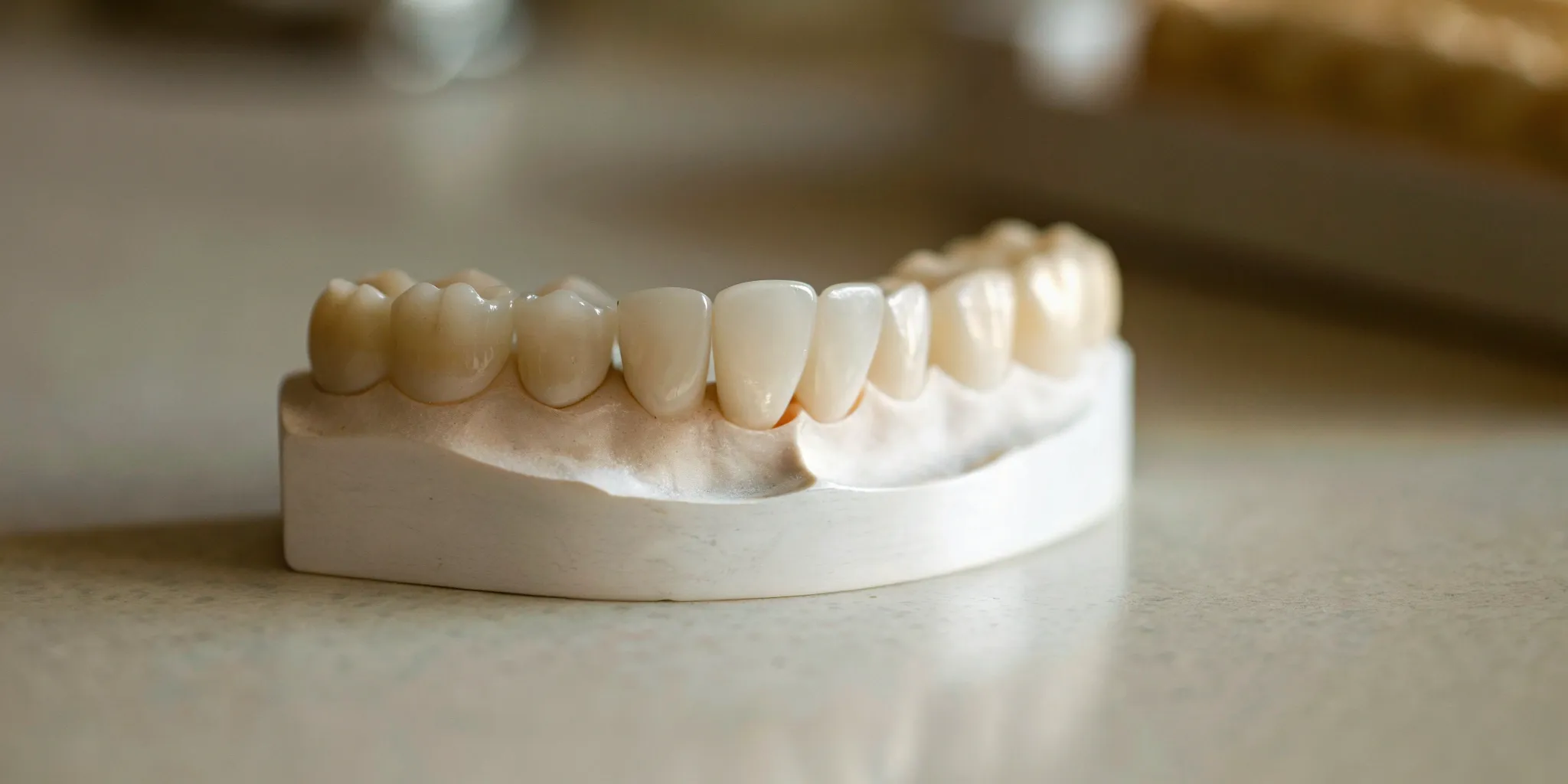
The magic behind this technology is that you don’t need an individual implant for every single missing tooth. Instead, a skilled dentist strategically places just a few (typically four to six) titanium posts into the jaw. These posts act as sturdy roots for a custom-made bridge or denture that attaches to them, giving you a complete and stable set of teeth. This approach provides incredible stability and helps preserve your jawbone, which can prevent the sunken facial appearance that often comes with tooth loss. Getting a full set of dental implants is a significant step, but it’s one that can completely transform your oral health and confidence for years to come.
How They Restore Your Entire Smile
Think of full mouth implants as more than just a dental procedure; they’re a long-term investment in your quality of life. Because they are a permanent solution that works like real teeth, they allow you to get back to basics without a second thought. You can enjoy your favorite foods, speak clearly, and laugh without worrying about your teeth shifting. This renewed function has a ripple effect, improving everything from your nutrition to your social confidence.
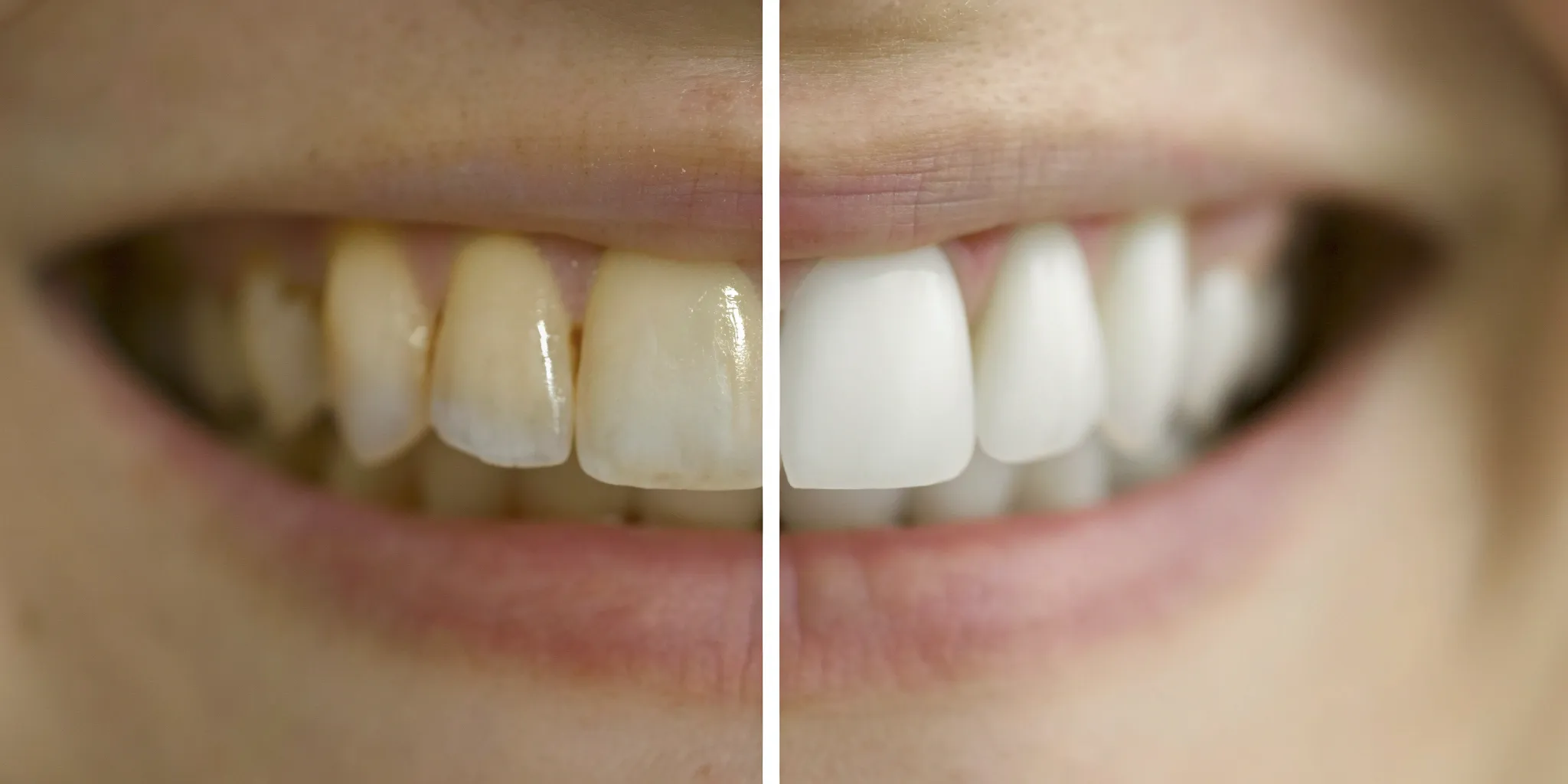
Beyond the practical benefits, this treatment offers a complete aesthetic transformation. Your new teeth are custom-designed to fit the unique contours of your face, resulting in a beautiful, natural-looking smile. For many, this is the most impactful part of the process—a true smile makeover that restores self-esteem and lets you feel like yourself again.
Exploring Your Full Arch Options
When it comes to full arch restoration, you have a couple of excellent choices, each with different features and price points. One popular option is an implant-supported denture. This type of denture snaps securely onto the implants, so it won’t slip, but you can still remove it for easy cleaning. It’s often the most affordable route for a full mouth replacement.
Another option is a fixed implant-supported bridge, commonly known as an All-on-4 or All-on-6 treatment. This solution is permanently attached to the implants and can only be removed by your dentist. It offers the most natural feel and function, closely mimicking a full set of real teeth. The best choice for you will depend on your specific needs, bone density, and budget, which is something we can determine together during your consultation.
The Step-by-Step Restoration Process
The journey to a new smile is a carefully planned process. It starts with a detailed consultation, including 3D imaging to assess your jawbone health. For some, preliminary procedures are necessary to create a solid foundation for the implants. Many patients need other treatments before implants, which can include tooth extractions or bone grafts if your jawbone isn’t quite strong enough to support the posts. These types of oral surgery are common and ensure the long-term success of your implants.
Once your mouth is ready, the implants are placed, and you’ll typically receive a temporary set of teeth to wear while the implants integrate with your bone. After a few months of healing, your final, custom-crafted teeth are attached. Don’t let the cost scare you; many dental offices offer payment plans or financing options to help you pay over time.
How Much Do Full Mouth Implants Cost Without Insurance?
Let’s talk about one of the biggest questions on everyone’s mind: the cost. Full mouth dental implants are a significant investment in your health, confidence, and quality of life. While the final price tag can seem daunting without insurance, breaking down the costs can help you see the full picture and plan accordingly. The total expense isn’t just one number; it’s a combination of several key factors, from the type of materials used to any prep work you might need. Understanding what goes into the final cost is the first step toward making an informed decision about your new smile.
Typical Price Ranges to Expect
When you start researching, you’ll find a wide range of prices for full mouth dental implants. Generally, you can expect the total cost to fall somewhere between $17,000 and $90,000. In the U.S., the average cost for a full mouth restoration hovers around $34,000. This is a broad spectrum because every patient’s needs are unique. The final number depends on the complexity of your case, the specific solution you choose, and the materials involved. Think of this range as a starting point for your research, but a personalized consultation is the only way to get a precise quote for your smile.
How Implant Type Affects the Price
The type of implant solution you choose plays a huge role in the overall cost. For example, implant-supported dentures, which anchor a full denture to a few implants per arch, are often the most budget-friendly option, typically ranging from $6,000 to $8,000 for a full mouth. On the other end of the spectrum is replacing each missing tooth with a single implant. While this provides an incredibly stable and natural-feeling result, it’s also the most premium option, with costs potentially reaching $60,000 to $90,000 for a complete set. Your dentist will help you weigh the pros and cons of each option to find the right fit for your goals and budget.
Does Your Location Influence the Cost?
It might surprise you, but where you live can affect the price of your dental work. Costs for dental procedures, including implants, tend to be higher in major metropolitan areas compared to smaller towns. This is often due to higher overhead costs for things like rent and staff salaries in big cities. While it’s a factor to be aware of, the most important thing is to find a qualified and experienced dentist you trust. Getting a detailed quote from a local practice like ours in Baton Rouge will give you the most accurate financial picture for your treatment plan.
Budgeting for Additional Procedures
Often, the journey to dental implants involves more than just placing the posts. Many patients require preparatory treatments to ensure the implants have a strong foundation for success. For instance, if you’ve experienced bone loss in your jaw, you might need a bone graft, which can add $300 to $800 per graft site. Similarly, if any damaged teeth need to be removed before placing the implants, that will be an additional cost. These necessary preliminary steps are crucial for the long-term success of your implants and will be factored into your comprehensive oral surgery treatment plan during your initial consultation.
The Impact of Material Quality
The materials used for your implants and final crowns also influence the price. Most implants are made from titanium, a biocompatible material that fuses well with bone. The crowns, however, can be made from various materials. Zirconia, for example, is a premium ceramic known for its incredible strength and natural, tooth-like appearance, but it comes at a higher cost than other options. During your consultation, we can discuss the different material choices available, explaining how each one impacts not only the price but also the aesthetics and durability of your new smile, helping you make the best choice for your needs.
What Factors Influence the Final Price?
When you see a price estimate for full mouth dental implants, it’s helpful to understand what that number actually represents. The final cost isn’t just for the implants themselves; it’s a comprehensive total that covers a highly personalized treatment plan from start to finish. Think of it less like buying a product off the shelf and more like commissioning a custom piece of art that restores your health, function, and confidence. Several key factors come together to determine your final investment, and knowing what they are can help you see the incredible value behind the numbers.
The total cost reflects the expertise of the dental team, the quality of the materials used, and the specific steps needed to prepare your mouth for a successful outcome. For example, some patients may need preliminary work, like a bone graft, to create a stable foundation for the implants. The type of technology used for planning and placement also plays a role, as advanced imaging ensures precision and a better long-term result. Even your comfort during the procedure is a factor, with different sedation options available. Each element is a crucial piece of the puzzle, designed to give you a durable, natural-looking smile that lasts for years to come.
Your Dentist’s Experience and Credentials
The skill and experience of your dentist are among the most significant factors influencing the cost—and for good reason. Placing full mouth dental implants is a complex surgical procedure that requires extensive, specialized training beyond general dentistry. A highly skilled implantologist has invested years in mastering advanced techniques to ensure your implants are placed with precision for optimal function and aesthetics. While a more experienced professional may have higher fees, you’re paying for expertise that leads to better, more predictable, and longer-lasting results. This experience minimizes the risk of complications and often leads to a smoother, more comfortable recovery. Choosing an expert is an investment in the quality and longevity of your new smile.
Necessary Prep Work (and Its Cost)
Before any implants can be placed, your mouth needs to be a healthy and stable environment. For many people, this means some preparatory work is required, and the cost of these procedures will be added to your total treatment plan. Your dentist will first assess your oral health to see if any underlying issues need to be addressed. Common preliminary treatments include tooth extractions to remove failing teeth or treating gum disease to ensure your gums are healthy enough to support implants. Some patients may also need a bone graft, a procedure that builds up the jawbone if it lacks the density to secure an implant. This foundational work is absolutely essential for the long-term success of your restoration.
The Role of Advanced Technology
Modern dentistry has come a long way, and the technology used in your implant procedure directly impacts both the cost and the quality of your outcome. Dental practices that invest in state-of-the-art equipment, like 3D cone-beam computed tomography (CBCT) scanners, can create incredibly detailed maps of your mouth. This allows for meticulous planning, ensuring each implant is placed in the exact right position for maximum stability and a natural appearance. The quality of the materials used for your implants and final crowns also matters. High-grade materials like titanium and zirconia cost more, but they offer superior strength, biocompatibility, and aesthetics, ensuring your new smile is built to last.
Diagnostic and Imaging Fees
The first step in any implant journey is a thorough diagnostic phase. This is where your treatment plan is born, and it involves detailed imaging that goes far beyond standard dental X-rays. These initial fees cover the cost of comprehensive scans, which give your dentist a 3D view of your jawbone, nerves, and sinuses. This information is critical for planning a safe and precise surgery. Your dentist will use these images to determine the ideal placement for each implant, avoiding any potential complications. While it’s an upfront cost, this detailed planning process is what sets the stage for a successful and predictable outcome, making it a non-negotiable part of the procedure.
Anesthesia and Sedation Options
Your comfort during the implant procedure is a top priority, and there are several options available to ensure you have a relaxed, pain-free experience. The type of anesthesia or sedation you choose will influence the final cost of your treatment. Options can range from local anesthesia, which numbs the treatment area while you remain awake, to more comprehensive sedation dentistry, where you can be in a deeply relaxed or sleep-like state. The right choice depends on the complexity of your procedure and your personal anxiety levels. During your consultation, your dentist will discuss the different options with you to find the one that best suits your needs and budget, ensuring your path to a new smile is as comfortable as possible.
A Cost Comparison of Implant Solutions
When you start looking at full mouth dental implants, you’ll find a few different approaches, each with its own price point and set of benefits. Understanding these options is the first step toward figuring out which solution fits your goals and your budget. Let’s break down the most common types of full arch restorations so you can see how they stack up.
Traditional Full Arch Implants
A traditional full arch restoration is the most comprehensive way to replace all of your teeth. This method typically uses six to eight (or more) dental implants per jaw to support a permanent, fixed bridge. Because it provides maximum stability and closely mimics the function of natural teeth, it’s considered a top-tier solution. The investment reflects this, with costs often ranging from $17,000 to $90,000 for a full mouth restoration. The national average sits around $34,000, but your specific needs will determine the final price. This option is ideal if you’re looking for a durable, long-lasting solution that feels completely natural.
The All-on-4® Treatment Concept
The All-on-4® treatment concept is a popular and innovative alternative that uses just four strategically placed implants in each jaw to support a full arch of teeth. This approach is often less invasive and can sometimes be completed more quickly than traditional methods. It’s a fantastic option for many patients, offering the stability of implants with a more streamlined process. The cost for an All-on-4® solution typically falls between $24,000 and $50,000 for a full mouth. By requiring fewer implants, it can reduce both the surgical complexity and the overall expense, making it an accessible path to a fully restored smile.
Implant-Supported Dentures
If you’re looking for a more budget-friendly way to get the benefits of implants, implant-supported dentures are an excellent choice. Instead of being permanently fixed, these dentures snap securely onto two or more implants. This gives them far more stability than traditional dentures, eliminating worries about slipping or discomfort. The cost is also significantly lower, generally running between $1,500 and $4,000 per arch. For a full mouth, you might expect to invest around $6,000 to $8,000. This option provides a major upgrade in function and confidence over conventional dentures without the higher cost of a fixed bridge.
How Materials Affect Longevity and Cost
The materials used for your new teeth play a big role in both the final cost and the long-term performance of your smile. Implants themselves are typically made of titanium, but the crowns and bridges attached to them can be crafted from different materials. For example, porcelain fused to metal is a durable and common choice, while all-ceramic or zirconia options offer superior aesthetics for a truly natural look. Zirconia is one of the strongest and most lifelike materials available, but it comes at a higher price point. Discussing these options with your dentist will help you balance the look you want with your budget and achieve a beautiful cosmetic dentistry result.
Weighing the Costs and Benefits
While the upfront cost of full mouth implants can seem high, it’s helpful to view it as a long-term investment in your health and quality of life. Dental implants are the only tooth replacement solution that preserves your jawbone, preventing the sunken look that can occur with tooth loss. They restore your ability to eat your favorite foods, speak clearly, and smile without hesitation. When you compare this to the ongoing costs of replacing dentures or bridges over the years, implants often prove to be a more valuable and permanent solution. A complete smile makeover with implants can truly be a life-changing experience.
Making Implants Affordable: Your Payment Options
Investing in a new smile is a big decision, and I know the cost can feel like a major hurdle. But don’t let the numbers discourage you. There are several straightforward ways to make full mouth dental implants fit into your budget. Think of your dental team as your partner in this process—we’re here to help you find a financial path that feels comfortable and clear. Let’s walk through some of the most common and effective payment options available, so you can focus on the exciting result: a healthy, confident smile.
Using Medical Credit Cards
Medical credit cards, like CareCredit, are a popular choice for financing healthcare procedures. They work like regular credit cards but are designed specifically for medical and dental expenses. Many dental offices, including ours, can help you apply for one right here. The biggest advantage is that they often come with special financing plans, such as interest-free periods for a set number of months. This allows you to get the dental implants you need now and pay for them over time in smaller, predictable monthly installments. It’s a great way to break down a significant investment into manageable pieces without delaying your treatment.
Exploring Third-Party Financing
Beyond medical credit cards, many dental practices partner with specialized third-party lenders to offer flexible financing. These plans are designed to help you pay for your treatment through manageable monthly payments, often spread out over several years. Some even offer low or no-interest introductory periods, which can save you a lot of money. The application process is typically simple and fast, and our team can guide you through it. This option makes it possible to move forward with your smile restoration without having to pay the full amount upfront. It’s all about finding a payment schedule that works for your life and budget.
Using Your Health Savings Account (HSA)
If you have a high-deductible health insurance plan, you might also have a Health Savings Account (HSA). An HSA allows you to set aside money for medical expenses on a pre-tax basis. The great news is that dental implants are almost always considered a qualified medical expense. Using your HSA funds means you’re paying with tax-free dollars, which is like getting an automatic discount on your procedure. I always recommend checking your account balance and contribution rules to see how much you can put toward your new smile. It’s a smart financial tool that’s literally designed for investments in your health like this one.
Tapping into Your Flexible Spending Account (FSA)
Similar to an HSA, a Flexible Spending Account (FSA) is another employer-sponsored benefit that lets you set aside pre-tax money for healthcare costs. You can absolutely use your FSA funds to help pay for your dental implant procedure. The main thing to remember with an FSA is that the funds are typically “use it or lose it”—you have to spend the money within the plan year. This makes planning a major dental treatment a fantastic way to use your remaining balance before it expires. Be sure to check with your employer or benefits administrator about your plan’s specific deadlines and details.
Dental Plans and In-House Options
Even without traditional dental insurance, you have options. Some patients join a dental savings plan. These aren’t insurance, but membership programs that give you access to significant discounts on a wide range of dental procedures at participating offices. It’s worth looking into whether a plan could lower your overall cost. Additionally, always ask us about our in-house options. We are committed to making transformative cosmetic dentistry accessible and can work with you to create a payment schedule that fits your budget. The first step is simply having a conversation with our team about your financial needs.
Why Dental Implants Are a Worthwhile Investment
When you see the price tag for dental implants, it’s easy to feel a little sticker shock. But thinking of them as a one-time expense misses the bigger picture. A better way to look at it is as a long-term investment in your health, confidence, and overall quality of life. Unlike other tooth replacement options that may need to be repaired or replaced over the years, implants are designed to be a lasting solution. When you weigh the initial cost against decades of benefits, you start to see their true value.
Improve Your Overall Oral Health
Dental implants do more than just fill a space in your smile—they actively support your oral health. When you lose a tooth, the jawbone underneath begins to deteriorate from lack of stimulation. Implants are the only solution that fuses with the bone, keeping it strong and healthy, which helps maintain your facial structure. Plus, unlike a dental bridge, getting an implant doesn’t require grinding down healthy adjacent teeth. This means you get to preserve more of your natural smile. By providing a stable anchor, dental implants also prevent neighboring teeth from shifting out of place, which can prevent future bite problems and other complications.
Eat, Speak, and Smile with Confidence
One of the biggest day-to-day benefits of dental implants is the freedom they give you. You can eat your favorite foods—from crunchy apples to a perfectly cooked steak—without a second thought. Because they are anchored securely in your jaw, they function just like natural teeth, so you never have to worry about them slipping or clicking like dentures can. This stability also helps you speak clearly and naturally. Most importantly, knowing your smile is secure and complete can have a huge impact on your self-esteem. You can laugh, talk, and smile in any social situation without feeling self-conscious.
The Benefit of a Natural-Looking Smile
If you’re worried about your replacement teeth looking artificial, you can put that fear to rest. Modern dental implants are designed to be indistinguishable from your natural teeth. Each crown that attaches to the implant is custom-crafted to match the exact shade, shape, and size of your surrounding teeth for a completely seamless look. They are a permanent solution that feels and functions just like the real thing, helping you feel confident in your appearance. A beautiful, natural-looking smile is a key part of any smile makeover, and implants provide the strong foundation needed for a stunning and lasting result.
Built to Last: Durability and Care
When we call implants an investment, we mean it. With proper care, they are built to last a lifetime. In fact, studies show they can last for 25 years or even longer. The best part? Caring for them is surprisingly simple. You just brush and floss them as you would your natural teeth. There are no special adhesives, soaking solutions, or complicated cleaning routines to worry about. All you need to do is maintain a good oral hygiene routine and keep up with your regular check-ups. This commitment to routine general dentistry is all it takes to protect your investment and keep your smile healthy for decades.
Implants vs. Alternatives: A Long-Term Cost View
While options like dentures and bridges have a lower upfront cost, they often end up being more expensive over time. Dentures may need to be relined or replaced every 5 to 7 years, and bridges typically last 10 to 15 years before needing replacement. These recurring costs can add up significantly. Dental implants, on the other hand, are often a one-time investment. By preventing jawbone deterioration and keeping other teeth from shifting, they also help you avoid the need for more complex and costly dental procedures in the future. When you look at the total cost over your lifetime, implants often prove to be the more financially savvy choice.
How to Plan for Your New Smile
Deciding to get full mouth dental implants is a huge step toward reclaiming your confidence and oral health. While the final result is exciting, the process itself requires some careful planning. Thinking through the key stages—from your first meeting with a dentist to your long-term care—will help you feel prepared and in control. A clear plan demystifies the process, making it easier to manage the timeline, budget, and your own expectations. By breaking it down into smaller, more manageable steps, you can approach your smile transformation with clarity and peace of mind. Let’s walk through how to map out your journey to a brand-new smile.
What to Expect at Your First Consultation
Your first consultation is all about creating a personalized roadmap. This is where you and your dentist will sit down to discuss your goals, health history, and what you hope to achieve. Expect a thorough examination, which may include X-rays or 3D imaging, to assess your jawbone density and overall oral health. This initial meeting is the best way to get an accurate cost estimate and a detailed treatment plan tailored specifically to you. It’s also your opportunity to ask every question you have. A great dental team will take the time to explain your dental implant options and make sure you feel comfortable before moving forward.
Understanding the Treatment Timeline
The journey to a new smile isn’t always a straight line. The total time it takes can vary quite a bit from person to person. Many patients need preparatory treatments before the implants can be placed, and these procedures will extend your timeline. For instance, if you have gum disease, it will need to be treated first. You might also need tooth extractions or a bone graft to create a stable foundation for the implants. Your dentist will outline every step, so you’ll know exactly what to expect and how long each phase will likely take. This ensures your mouth is perfectly prepped for a successful and lasting outcome.
Creating a Payment Schedule
Let’s talk about the financial side of things. The cost of full mouth implants is a significant investment, but it doesn’t have to be a barrier. Most dental offices understand this and offer flexible ways to manage the expense. During your consultation, be sure to discuss payment options. Many practices provide in-house plans or work with third-party financing companies that allow you to break down the total cost into smaller, more manageable monthly payments. Some of these plans even offer low-interest or no-interest periods. Having a clear financial plan in place from the start can relieve stress and help you focus on the exciting transformation ahead.
How to Choose the Right Dentist
Choosing the right dentist is arguably the most important decision you’ll make in this process. You’re not just looking for a technician; you’re looking for a partner in your health journey. When evaluating a dentist, consider their experience and specific training in implant dentistry. Ask about the quality of the materials they use, as this directly impacts the longevity of your new smile. Finally, look at what other patients have to say. Reading reviews and looking at before-and-after photos can give you a great sense of the clinic’s work and their approach to patient care for a complete smile makeover.
Your Long-Term Care Plan
Your new implants are designed to last a lifetime, but their longevity depends on how well you care for them. Think of it as protecting your investment. Your long-term care plan is simple but crucial: maintain excellent oral hygiene and keep up with regular dental checkups. Just like natural teeth, implants need to be brushed and flossed daily to prevent plaque buildup around the implant site. Professional cleanings and routine exams allow your dentist to monitor your implants and overall oral health. Committing to consistent general dentistry visits ensures your smile stays healthy and beautiful for years to come.
Get the Most from Your Investment
Full mouth dental implants are a significant step toward reclaiming your health, confidence, and quality of life. Thinking of it as an investment helps frame the decisions you’ll make along the way. Like any major investment, you want to protect it and ensure it delivers the best possible return for years to come. This means understanding your treatment plan inside and out, knowing what protections are in place, and committing to the right kind of long-term care. By taking a proactive approach, you can ensure your new smile not only looks incredible but also stands the test of time.
Reviewing Your Final Treatment Options
Once your dentist has completed a thorough evaluation, you’ll sit down to review a detailed treatment plan. This is your roadmap to a new smile, and it will outline every step, from any necessary tooth extractions to the final placement of your new teeth. The plan will also include a clear breakdown of costs. Full mouth dental implants can range from $30,000 to over $60,000 per arch, so it’s important to understand what’s included. Don’t hesitate to ask questions. Make sure you’re clear on the materials being used, the timeline, and what each fee covers. This conversation ensures you feel confident and informed before moving forward.
Ask About Warranty Coverage
Given the cost and permanence of dental implants, it’s smart to ask about any available warranties. Many implant manufacturers offer a warranty on the implant post itself, which is the part that integrates with your jawbone. Some dental practices also provide a warranty on their workmanship. This shows that your dental team stands behind the quality of their work. Studies show that with proper care, implants can last for 25 years or more. A warranty offers an extra layer of security for your investment, giving you peace of mind that you’re covered if an unexpected issue arises.
Essential Post-Procedure Care
Your role in the success of your dental implants begins the moment you leave the dental office. To make your investment last a lifetime, you’ll need to care for your new teeth just as you would natural ones. This means establishing a solid oral hygiene routine of brushing twice a day and flossing daily. Regular dental checkups and professional cleanings are also non-negotiable. These visits allow your dentist to monitor the health of your implants and the surrounding gum tissue, catching any potential problems early. Excellent home care is the best way to prevent complications and protect the foundation of your beautiful new smile makeover.
Planning for Future Maintenance
While dental implants are designed for durability, the crowns or bridges attached to them may eventually need replacement due to normal wear and tear. It’s wise to plan for this future maintenance. Think of it like replacing the tires on a car—it’s a predictable part of long-term ownership. During your consultation, ask your dentist about the expected lifespan of your final restorations and the potential costs for future upkeep. Many dental offices offer payment plans or financing options that can make both the initial procedure and any future care more manageable. Planning ahead ensures your smile stays healthy and beautiful for decades.
Related Articles
- All-on-4 Dental Implants Cost: A Full Breakdown
- What Is All-on-4® and How Does It Replace Missing Teeth?
- Zirconia All on 4 Cost: A Complete Breakdown
- Full Mouth Dental Implants: Cost, Process & More
- Dental Implants Near Me: Your Complete Guide
Frequently Asked Questions
How do I know if I’m a good candidate for full mouth implants? The best way to know for sure is to come in for a consultation. Generally, a good candidate is someone in good overall health who has lost most or all of their teeth. The most important factor is having enough healthy jawbone to support the implants. If you’ve experienced bone loss, don’t worry—procedures like bone grafting can often build up the area to create a strong foundation for your new smile.
Does getting dental implants hurt? Your comfort is a top priority throughout the entire process. The implant placement itself is a surgical procedure, but it’s performed with effective anesthesia to ensure you don’t feel any pain. We also offer sedation options to help you feel completely relaxed. You can expect some soreness and swelling during the first few days of recovery, but this is typically manageable with over-the-counter pain relievers and is a normal part of the healing process.
How long does the entire process take from start to finish? The timeline for full mouth implants varies for each person, but you can generally expect it to take several months. The process starts with a consultation and any necessary prep work, like extractions or bone grafts. After the implants are placed, they need a few months to fully integrate with your jawbone. During this healing period, you’ll have a temporary set of teeth. Once healing is complete, your final, custom-made teeth are attached.
What’s the main difference in daily life between a fixed bridge and a removable implant denture? The biggest difference comes down to convenience and feel. A fixed bridge, like an All-on-4, is permanently attached to your implants and can only be removed by a dentist. You brush and care for it just like natural teeth, and it offers the most secure and natural feel. An implant-supported denture snaps onto the implants for stability but is removable. This makes it very easy to take out for cleaning, though it doesn’t feel quite as seamless as a fixed solution.
Are there any hidden costs I should be aware of? We believe in being completely transparent about the cost of your treatment from the very beginning. Your comprehensive treatment plan will include a detailed breakdown of all expected fees, including the surgery, the implants, your final set of teeth, and any necessary prep work like bone grafts or extractions. The price we quote you is the price you can expect to pay, so you can plan your investment without worrying about surprises.