






Losing a tooth can quietly take away some of life’s simple pleasures. You might find yourself turning down your favorite crunchy foods, hiding your smile in photos, or feeling a little less like yourself when you talk and laugh. Restoring your smile is about more than just aesthetics; it’s about getting your confidence back. Dental implants are designed to give you that freedom. Because they are securely anchored in your jaw, they feel and function just like your natural teeth. There’s no slipping, no special maintenance, and no holding back. You can eat, speak, and smile without a second thought. This article will cover how this remarkable solution can help you get back to feeling completely comfortable and confident in your own skin.
Key Takeaways
- Implants Function Like Real Teeth, Root and All: A dental implant is the only tooth replacement that fuses directly with your jawbone. This unique bond prevents bone loss, preserves your facial structure, and creates a permanent foundation that feels completely natural.
- Your Commitment is Key to Lifelong Success: The implant process takes several months to allow for proper healing. After that, the long-term health of your implant depends on a simple routine of daily brushing, flossing, and attending regular dental checkups.
- Consider the Long-Term Value, Not Just the Cost: While implants have a higher initial cost, they are designed to last a lifetime with proper care. This makes them a more permanent and often more cost-effective solution over time compared to bridges or dentures that require periodic replacement.
What Are Dental Implants & How Do They Work?
If you’re missing one or more teeth, you’ve likely heard about dental implants as a potential solution. But what exactly are they, and how do they function so much like real teeth? At its core, a dental implant is a sophisticated, permanent replacement for a lost tooth, from root to crown. Unlike other options that simply sit on the gums, an implant integrates with your body to create a durable and stable foundation for your new smile. This unique approach not only restores the appearance of your smile but also preserves your jaw health and facial structure. Let’s break down the components and the process that makes this treatment so effective.
The Anatomy of a Dental Implant
Think of a dental implant as a high-tech replacement for a natural tooth root. It’s a small post, usually made of biocompatible titanium, that is surgically placed into your jawbone where a tooth is missing. This tiny but mighty anchor provides a secure base for a custom-made replacement tooth. Once the implant is in place, it can be used to support a single crown, a dental bridge that replaces several teeth in a row, or even a full set of dentures. It’s the part you don’t see that makes the entire restoration feel so strong and look so natural.
How Implants Become a Part of You
The real magic of a dental implant happens during the healing process. After the implant is placed through oral surgery, your jawbone naturally begins to grow around and fuse directly to the titanium post. This remarkable biological process, known as osseointegration, is what makes the implant a permanent part of your jaw. While this fusion takes a few months to complete, it’s the key to creating an incredibly strong and stable foundation for your new tooth. This is why implants don’t slip or shift, allowing you to eat, speak, and smile with complete confidence.
The Dental Implant Process, Step by Step
Getting a dental implant is a multi-stage process, but understanding each step can make the entire experience feel much more manageable. Think of it as a project to restore your smile, with a clear beginning, middle, and end. From the initial chat to the final placement of your new tooth, your dental team is there to guide you. We’ll walk through the four main phases so you know exactly what to expect on your path to a permanent, confident smile.
Your First Visit: Consultation & Custom Plan
Everything starts with a conversation. During your first visit, we’ll sit down to discuss your goals and get a complete picture of your oral health. This involves a thorough dental exam, which usually includes X-rays and 3D imaging to get a detailed look at your jawbone and surrounding teeth. We’ll also review your medical history to ensure you’re a good candidate for the procedure. From there, we create a personalized treatment plan just for you. This plan maps out every step, from the type of dental implant you’ll receive to the timeline for the entire process.
The Placement Procedure
Once your custom plan is ready, the next step is the placement procedure. This is a type of oral surgery where the implant, a small titanium post, is placed into your jawbone. To do this, your dentist makes a small incision in your gum to access the bone. A precise space is created, and the implant is carefully secured. In many cases, the gum tissue is then closed over the implant to protect it while it heals. We prioritize your comfort throughout, ensuring the process is as smooth and pain-free as possible.
Healing and Integration
After the implant is placed, your body begins an amazing process called osseointegration. This is just a technical term for the natural way your jawbone grows around and fuses with the titanium post. This fusion is what makes dental implants so incredibly strong and stable—it essentially becomes a part of you. This healing phase is critical for long-term success and typically takes a few months. It’s a quiet, behind-the-scenes step that creates the solid foundation needed for your beautiful new tooth.
Attaching Your New Crown
This is the final and most exciting step! Once your jaw has fully healed and the implant is securely integrated, it’s time to place your new tooth. First, a small connector piece called an abutment is attached to the top of the implant post. This abutment acts as the link between the implant and your new restoration. Finally, your custom-made crown—designed to perfectly match the color, shape, and size of your natural teeth—is secured to the abutment. The result is a complete, functional tooth that blends seamlessly into your smile makeover.
Why Choose Dental Implants? The Key Benefits
Deciding on a solution for missing teeth is a big deal. While options like bridges and dentures have their place, dental implants offer a unique set of advantages that go far beyond just filling a gap. They are designed to function as a permanent part of your mouth, providing a stable and long-lasting foundation for your new teeth. This approach not only restores your smile but also supports your overall oral health in ways other treatments can’t. From improving your daily life to protecting your facial structure, the benefits are significant and well worth considering. Let’s look at why so many people choose implants as their preferred solution for tooth replacement.
Eat, Speak, and Smile with Confidence
Missing teeth can quietly chip away at your confidence. You might find yourself avoiding certain foods, feeling self-conscious when you talk, or hiding your smile in photos. Dental implants give you that freedom back. Because the implant post fuses directly with your jawbone, it creates an incredibly strong and stable base for your new tooth. This means you can eat your favorite crunchy or chewy foods without a second thought. You can also speak and laugh freely, without worrying about a denture slipping out of place. It’s about restoring the simple, everyday functions of a natural tooth so you can feel completely like yourself again.
A Natural Look and Feel
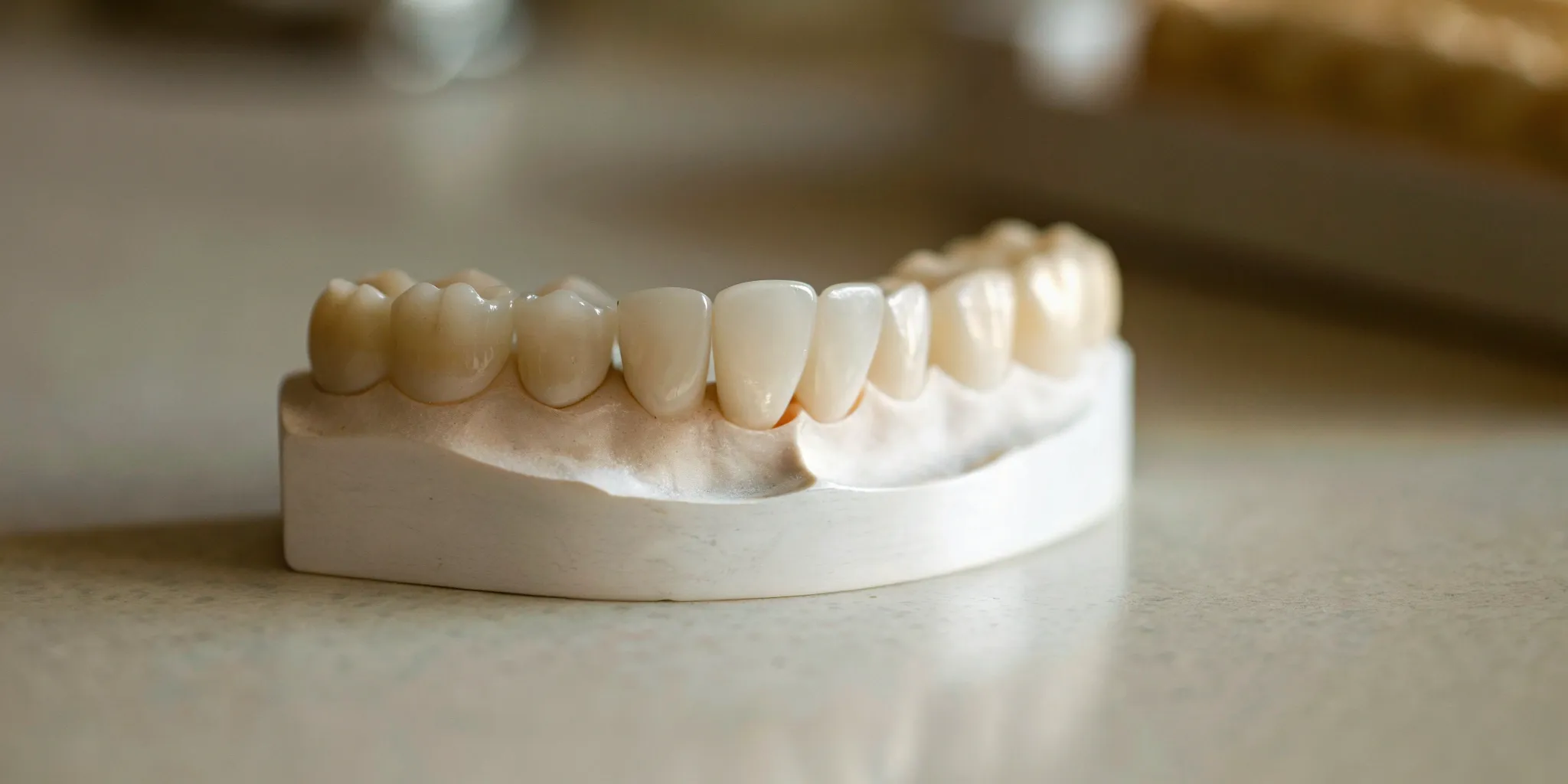
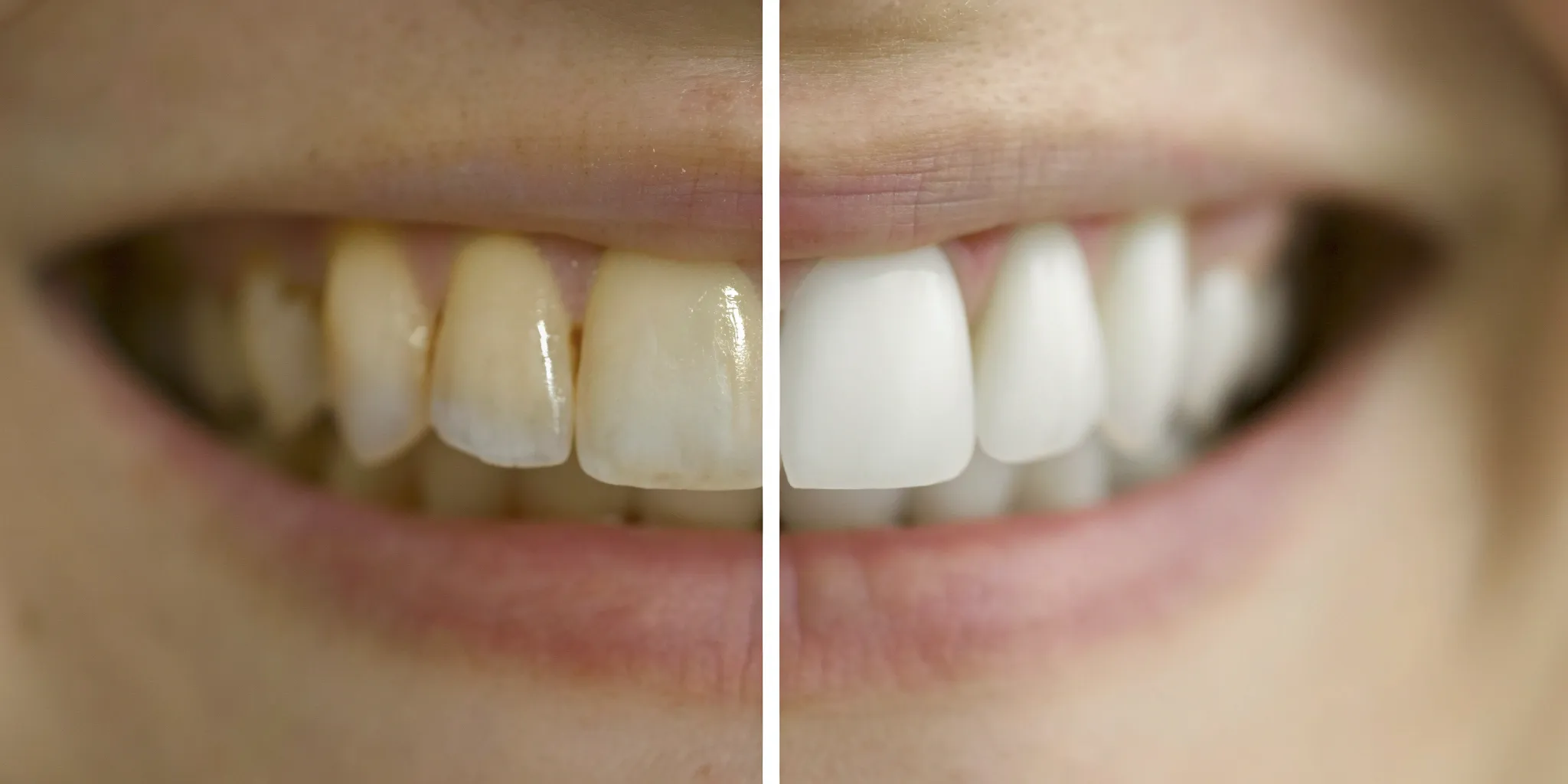
One of the best things about dental implants is how seamlessly they blend in with your other teeth. The final restoration—usually a crown—is custom-crafted to match the exact shade, size, and shape of your natural teeth. No one will be able to tell you have an implant. But it’s not just about looks; it’s about feel. Because the implant is anchored in your jaw just like a tooth root, it feels completely natural. You won’t have the bulky feeling of a denture or the need to alter healthy teeth for a bridge. It’s the closest you can get to having your own tooth back, making it a popular choice for a complete smile makeover.
Protect Your Jawbone and Facial Structure
This is a huge health benefit that often goes overlooked. When you lose a tooth, the jawbone underneath it no longer gets the stimulation it needs and begins to shrink. Over time, this bone loss can alter your facial structure, leading to a sunken or aged appearance. Dental implants are the only tooth replacement option that actively prevents this. The titanium post acts just like a natural tooth root, stimulating the jawbone every time you chew. This keeps the bone strong and healthy, preserving your natural facial contours and protecting the integrity of your smile for years to come. This process is a key part of modern oral surgery.
A Solution Built to Last
If you’re looking for a permanent fix, dental implants are the gold standard. While other options like bridges or dentures often need to be replaced every 5 to 15 years, a well-cared-for dental implant can last a lifetime. They have an incredibly high success rate, making them a reliable and predictable treatment. Think of it as a long-term investment in your health and quality of life. Instead of dealing with the recurring costs and hassle of replacements, you get a durable solution you can count on. With a solid daily care routine and regular dental visits, your implant will serve you well for decades.
Dental Implants vs. Other Options
When you’re looking to replace missing teeth, it’s easy to feel overwhelmed by the options. The two most common alternatives to dental implants are dentures and bridges. While all three can restore your smile, they work very differently and have unique impacts on your long-term oral health. Understanding these differences is the first step toward choosing the solution that fits your life, your health, and your goals. Let’s break down how implants stack up against traditional dentures and bridges.
Implants vs. Dentures
Dentures are removable appliances that replace missing teeth. While they’ve been a go-to solution for years, they can sometimes slip or feel uncomfortable. If you find that dentures or bridges don’t fit well, dental implants are an excellent alternative. Because the implant post fuses directly with your jawbone, it provides incredible support for your new teeth. This permanent bond not only helps you chew food with confidence but also prevents the jawbone loss that can occur over time with missing teeth. For those who like the idea of dentures but want more stability, implants can also be used to anchor a full set of dentures, keeping them securely in place.
Implants vs. Bridges
A dental bridge literally “bridges” the gap left by a missing tooth. It’s typically a false tooth held in place by crowns attached to the healthy teeth on either side of the gap. While effective, this requires altering those adjacent teeth. A dental implant, on the other hand, is a standalone solution. It replaces the tooth root and doesn’t rely on neighboring teeth for support, preserving their natural structure. Implants are designed to be a permanent fix that looks and functions just like a natural tooth. While bridges may need to be replaced over time, a well-cared-for implant can last a lifetime, making it a great investment in your smile makeover.
Are Dental Implants Right for You?
Dental implants are a game-changing solution for missing teeth, but they aren’t the right choice for everyone. The success of an implant depends heavily on your unique health profile and anatomy. Think of it like building a house—you need a solid foundation for a structure that will last a lifetime. The best way to know for sure if you’re a candidate is to come in for a consultation, but understanding the key factors can help you feel more prepared for that conversation. Let’s walk through what makes someone a great candidate for dental implants.
Your Overall Health Matters
Your oral health is directly connected to your overall health, and this is especially true when it comes to dental implants. To be a good candidate, you should have healthy gums and be in good general health. Conditions like uncontrolled diabetes or autoimmune diseases can sometimes interfere with the healing process after surgery. Smoking is another major factor, as it can significantly slow down healing and reduce the long-term success rate of the implant. A commitment to excellent oral hygiene is also non-negotiable, as you’ll need to care for your implant just like a natural tooth to keep the surrounding tissues healthy.
Assessing Your Jawbone Health
The single most important factor for a successful dental implant is having enough healthy jawbone. The implant, which is a small titanium post, needs to fuse directly with the bone in a process called osseointegration. This creates the strong, stable anchor for your new tooth. If you’ve had a missing tooth for a while, the jawbone in that area may have started to shrink. During your consultation, we’ll use advanced imaging to measure the density and volume of your bone. If it’s not quite sufficient, don’t worry—that doesn’t automatically rule you out. A procedure called a bone graft can often be performed to build the bone back up, creating the solid foundation your implant needs.
Considering Age and Lifestyle
Many people wonder if they’re too old or too young for dental implants. The truth is, age is rarely the deciding factor. What matters most is that your jawbone has fully developed, which usually happens in the late teens or early twenties. We’ve successfully placed implants for adults of all ages, from young people to those in their 90s. Your lifestyle and commitment to your health are far more important than the year you were born. If you’re ready to restore your smile and improve your quality of life, dental implants can be an excellent, long-lasting solution at almost any stage of adulthood.
Understanding the Risks and Success Factors
Dental implants have an impressive success rate, but it’s smart to understand the full picture before starting treatment. Knowing what to expect, the potential risks, and how you can contribute to a great outcome is the best way to prepare for a smooth journey. Think of it as a partnership between you and your dental team. When you’re well-informed, you can feel more confident and in control every step of the way. We believe in being completely open with our patients, so let’s walk through what recovery looks like, how to care for your implant for years to come, and the simple habits that will help your new smile last a lifetime. Your success is our top priority, and it all starts with having the right information.
What to Expect During and After Surgery
Patience is a key part of the implant process. The entire treatment can take several months because your jawbone needs time to heal and grow securely around the implant post. This is what creates that strong, stable foundation. Immediately after your oral surgery, it’s normal to experience some swelling, bruising, mild discomfort, or minor bleeding. We’ll make sure you have detailed aftercare instructions to manage this, and we may prescribe medication to keep you comfortable. These symptoms are temporary signs that your body is healing, and they typically fade within a few days. We’re here to support you through every stage of your recovery.
Long-Term Considerations for Implant Health
Your dental implant is designed to last for many years, but its longevity depends on proper care. While the implant itself can’t get a cavity, the gums around it can still be vulnerable to disease. A condition called peri-implantitis is essentially gum disease for implants, and if left untreated, it can lead to bone loss and cause the implant to fail. That’s why maintaining excellent gum health is so important. On rare occasions, an implant can also loosen or break. By staying proactive with your oral hygiene and scheduling regular check-ups, you can address any potential issues before they become serious problems and protect your investment in your smile.
Maximizing Your Chance of Success
Your role in the success of your dental implant is just as important as ours. It all begins with a skilled dental team that creates a detailed and personalized treatment plan. From there, success is in your hands. The most critical factor is your commitment to excellent oral hygiene. Brushing twice a day, flossing daily, and keeping the area around your implant clean will prevent the buildup of harmful plaque. Just as crucial are your regular dental visits. These appointments allow us to perform professional cleanings and check the health of your implant, gums, and bone, ensuring everything stays in top shape for years to come.
Breaking Down the Cost of Dental Implants
Let’s talk about one of the biggest questions on everyone’s mind: the cost. Thinking about the price of dental implants is a practical and important step. While it’s a significant investment, it’s helpful to view it as a long-term investment in your health, confidence, and quality of life. The final price tag isn’t a one-size-fits-all number; it’s tailored to your specific needs. Understanding the different components that make up the total cost can help you see the incredible value implants provide.
What’s the Price Range?
To give you a general idea, a single tooth implant can range from $3,500 to $6,000. If you’re looking to replace a full arch of teeth with a solution like All-on-4, the cost typically falls between $20,000 and $35,000 per arch. For a full mouth reconstruction, the investment can be anywhere from $40,000 to over $60,000. Remember, these are ballpark figures. The only way to get an exact number is to come in for a consultation where we can assess your specific situation and create a personalized treatment plan just for you.
Factors That Affect Your Final Cost
Several key factors influence your final cost. The price reflects the high-quality materials used, the complexity of the procedures, and your individual oral health. For an implant to be successful, you need enough healthy jawbone and gum tissue. If you require preliminary treatments like a bone graft or a sinus lift to prepare the area, this will be factored into the total cost. The number of implants you need and the type of final restoration (a single crown vs. a full bridge) also play a major role in determining the final price.
Using Insurance and Financing
We know the cost can seem like a hurdle, but there are ways to make this investment manageable. While some dental insurance plans may not cover the entire procedure, many now offer partial coverage for implants, which can significantly reduce your out-of-pocket expense. We can help you understand your benefits and file the necessary claims. Additionally, flexible financing options and third-party payment plans allow you to break up the cost into affordable monthly payments, putting a restored smile comfortably within reach. Don’t let financial concerns stop you from exploring your options.
Why Implants Are a Long-Term Investment
When you compare the cost of implants to other options like dentures or bridges, it’s important to look at the long-term value. Dentures and bridges often need to be refitted or replaced every 5 to 15 years, and those costs add up over time. Dental implants, on the other hand, are designed to be a permanent solution. With proper care, they can last a lifetime. They also protect your jawbone from deteriorating—something no other tooth replacement option can do. This preserves your facial structure and overall oral health for decades to come.
Your Dental Implant Recovery Guide
Getting your new smile is exciting, and knowing what to expect during recovery can make the process smooth and stress-free. Your body needs time to heal and adapt after the implant procedure. While every patient’s experience is a bit different, here’s a general guide to help you through the healing journey, from the first few days to the final result.
The First Few Days: Managing Comfort
It’s completely normal to experience some swelling, bruising, and mild discomfort around the implant site right after your procedure. You might also notice some minor bleeding. Don’t worry—this is all part of the healing process. We’ll make sure you have everything you need to stay comfortable, which may include pain medication or antibiotics to prevent infection. The key is to rest up and follow the specific post-op instructions we provide. Applying a cold pack to the outside of your cheek can also work wonders for reducing swelling in those first 24-48 hours.
The Full Healing Timeline
Patience is key when it comes to dental implants. The full recovery and integration process can take several months, and this is for a very important reason. Your jawbone needs time to naturally fuse with the implant post in a process called osseointegration. This creates the strong, stable foundation that makes implants so reliable. While it might seem like a long wait, this crucial healing period is what ensures your new tooth will be a permanent and secure part of your smile. We’ll monitor your progress closely with follow-up appointments to make sure everything is healing perfectly.
What to Eat and What to Avoid
For the first week or so after your oral surgery, you’ll want to stick to a soft-food diet. Think smoothies, yogurt, mashed potatoes, and soups—anything that doesn’t require much chewing. This helps protect the surgical site and allows it to heal without irritation. It’s just as important to know what to avoid. Steer clear of hard, crunchy, or sticky foods like nuts, hard candy, and popcorn. You should also avoid using straws, as the suction can disturb the healing area. And if you use tobacco, this is the perfect time to take a break, as it can significantly slow down the healing process.
Caring for Your New Dental Implants
Your new dental implant is a fantastic investment in your smile and overall health, and with the right care, it can last a lifetime. The great news is that maintaining your implant isn’t complicated. It mostly involves the same great habits you use to care for your natural teeth. Think of it as simply extending your existing routine to include your new addition. A consistent approach to cleaning and regular check-ins with your dentist will keep your implant, gums, and jawbone healthy for years to come. Let’s walk through the simple steps to protect your new smile.
Your Daily Care Routine
Just like your natural teeth, your dental implant requires daily cleaning to prevent plaque and bacteria from building up. You’ll want to brush at least twice a day and floss daily, paying special attention to the area where the implant meets your gum line. Your dentist might recommend specific tools, like an interdental brush or a water flosser, to help you clean around the implant crown more effectively. Sticking to a solid daily hygiene routine is the single best thing you can do at home to ensure the long-term success of your implant and maintain your overall oral health.
The Importance of Regular Dental Visits
While your at-home care is crucial, it works best in partnership with professional oversight. Scheduling regular dental checkups is essential for keeping your implant in top condition. During these appointments, we can professionally clean your implant and check the surrounding gum tissue and bone to ensure everything is healthy. These visits allow your dental team to monitor your implant and spot any potential issues long before they become serious problems. Think of these checkups as routine maintenance that protects your investment and gives you peace of mind.
When to Call Your Dentist
You know your mouth best, so it’s important to pay attention to how your implant feels. If you notice anything unusual, it’s always better to be safe and give us a call. You should contact your dentist right away if your implant feels loose, if you experience any pain or swelling around the site, or if your gums look red, puffy, or start to bleed. Promptly addressing these concerns is key. The FDA advises you to tell your dentist right away if your implant feels loose or painful. We’re here to help, and for urgent issues, our emergency dental services are available.
Dental Implant Myths vs. Facts
When it comes to dental implants, it’s easy to get tangled up in misinformation. You’ve probably heard stories from friends or seen conflicting information online that makes the whole process seem intimidating. The truth is, dental implants are a trusted, modern solution for missing teeth, and many of the common fears surrounding them are based on outdated ideas. Let’s clear the air and separate the facts from the fiction so you can make a confident decision about your smile.
Myth: The Procedure Is Extremely Painful
This is probably the biggest worry people have, and it’s completely understandable. The good news is that the idea of a painful implant procedure is a myth. During the placement, your dentist uses local anesthesia to completely numb the area, so you shouldn’t feel any pain at all. Most patients say the experience is much more comfortable than they expected, often comparing it to a routine filling. Afterward, you can expect some mild soreness, but this is typically well-managed with over-the-counter pain relievers. Our team at Pearl Dental Group prioritizes your comfort every step of the way.
Myth: I’m Too Old for Implants
It’s a common misconception that dental implants are only for a certain age group. The reality is that your overall health is what truly matters, not the number on your birthday cake. As long as you have healthy gums and enough bone in your jaw to support the implant, you can be a great candidate. Age isn’t a barrier to restoring your smile and function. We’ve helped adult patients of all ages regain their confidence with dental implants. The first step is a simple consultation to assess your specific health needs and determine if implants are the right choice for you.
Myth: Implants Are Hard to Care For
You might think that something so advanced requires a complicated maintenance routine, but that’s another myth. Caring for your dental implants is surprisingly straightforward—in fact, it’s almost exactly like caring for your natural teeth. There are no special creams or adhesives to worry about. All you need to do is stick to a solid daily routine of brushing and flossing. Just as important is keeping up with regular check-ups and cleanings. These routine visits, part of our general dentistry services, allow us to ensure your implant and the surrounding tissues stay healthy for years to come.
Related Articles
- Full Mouth Dental Implants: Cost, Process & More
- The Complete Guide to Same Day Dental Implants
- Dental Implants for Diabetics: What You Need to Know | Pearl Dental Group
- Are Dental Implants Safe, Painful, or Worth It? Full Guide
Frequently Asked Questions
How long does the entire dental implant process take from start to finish? The full timeline for a dental implant is a journey, not a single appointment. From your initial consultation to the final placement of your new tooth, the process typically takes several months. The most important phase is the healing period after the implant post is placed, which allows your jawbone to fuse with the implant. While it requires patience, this crucial step is what makes the final result so strong, stable, and permanent.
Will my new implant actually look and feel like a real tooth? Yes, and that’s one of the biggest benefits. Your new crown is custom-made to perfectly match the color, shape, and size of your surrounding teeth, so it will blend in seamlessly. More importantly, because the implant is anchored directly into your jawbone like a natural root, it feels incredibly secure. You’ll be able to eat, talk, and smile with complete confidence, without the slipping or bulky feeling that can come with other tooth replacement options.
Is getting a dental implant painful? This is a very common concern, but the procedure itself is much more comfortable than most people imagine. We use local anesthesia to completely numb the area, so you won’t feel any pain during the placement. Afterward, it’s normal to have some mild soreness and swelling for a few days, but this is usually managed easily with over-the-counter pain relievers and fades quickly as you heal.
What if I don’t have enough jawbone for an implant? This doesn’t automatically mean you can’t get an implant. It’s common for the jawbone to shrink after a tooth has been missing for a while. If we find that your bone isn’t dense enough to support an implant, a procedure called a bone graft can often solve the problem. This is a routine oral surgery that rebuilds the bone in the area, creating the solid foundation needed for a successful implant.
How long can I expect my dental implant to last? With proper care, a dental implant is designed to last a lifetime. Unlike dentures or bridges that may need to be replaced every 5 to 15 years, an implant is a permanent solution. Its long-term success depends on you maintaining great oral hygiene—brushing, flossing, and attending regular dental checkups—just as you would for your natural teeth. Think of it as a lasting investment in your health and smile.