






When comparing options for replacing all of your teeth, it’s easy to see the lower upfront price of dentures and wonder if implants are worth it. While traditional solutions may seem more affordable at first, they often come with recurring costs for replacements, repairs, and adhesives over the years. Full mouth dental implants are different. The initial cost of full mouth implants reflects a permanent, one-time solution designed to last for decades, if not a lifetime. In this guide, we’ll compare the long-term financial and personal value of implants against other options, helping you understand why this investment can actually be more economical and beneficial over time.
Key Takeaways
- Understand the all-inclusive cost: The price for full mouth implants covers your entire journey, including initial consultations, the surgical procedure, and your final custom-made teeth, ensuring there are no hidden fees.
- Invest in a permanent, life-changing solution: Implants are a one-time investment in your long-term health and quality of life, restoring your ability to eat and speak with confidence while preventing the bone loss associated with missing teeth.
- Flexible financial options make your new smile attainable: You can manage the cost by combining your dental insurance benefits with financing plans, or pre-tax funds from an HSA or FSA.
What Exactly Are Full Mouth Dental Implants?
If you’re missing most or all of your teeth, you’ve likely looked into different replacement options. Full mouth dental implants are a comprehensive solution designed to replace every tooth in your upper jaw, lower jaw, or both. Think of them as a complete reset for your smile. Unlike dentures that rest on your gums, implants are small titanium posts that are surgically placed into your jawbone, acting as strong, artificial roots. These posts provide a stable and permanent foundation for a full set of beautiful, custom-made teeth. The result is a smile that not only looks natural but feels and functions like one, too.
Your Full Mouth Implant Options
When it comes to a full-mouth restoration, there isn’t a single approach that works for everyone. Your specific needs and anatomy will determine the best path forward. One of the most popular and effective solutions is an implant-supported bridge, often known as an “All-on-4” or “All-on-6.” This technique uses four to six strategically placed dental implants to support a full arch of new teeth. This method is often more efficient and less invasive than placing an individual implant for every missing tooth. The cost for a full mouth restoration can range significantly, typically from $30,000 to over $90,000, depending on the materials you choose and whether you need preliminary procedures like bone grafting.
The Benefits of a Long-Term Solution
Choosing full mouth implants is more than just a cosmetic decision; it’s an investment in your long-term health and quality of life. Because implants fuse with your jawbone, they provide the stimulation needed to prevent bone loss, which helps maintain your facial structure and youthful appearance. This permanent, non-removable solution allows you to eat your favorite foods, speak clearly, and smile with total confidence. You won’t have to worry about adhesives or slippage. For many, it’s the closest you can get to having your natural teeth back, making it a key part of a complete smile transformation.
A Clear Look at the Total Cost
Let’s be direct: full mouth dental implants are a significant investment in your health and confidence. When you start looking into your options, the cost is often the first thing on your mind, and the numbers can feel intimidating. We believe in being completely transparent about what goes into the final price, so you can plan accordingly and feel confident in your decision. The total cost isn’t just one number; it’s a combination of several key factors that are tailored to your specific needs.
Think of this as a long-term investment in yourself. You’re not just paying for new teeth; you’re paying for the ability to eat your favorite foods again, to speak clearly, and to smile without a second thought. The final price reflects the entire process, including the expertise of your surgical team, the quality of the materials used, and any preparatory procedures needed to ensure your new smile has a healthy foundation. Nationally, a full mouth restoration can range from $30,000 to over $90,000. This wide range exists because every patient’s journey is unique. Your treatment plan is created just for you, addressing your specific dental health and aesthetic goals. In the following sections, we’ll break down exactly what contributes to that final number.
What’s the Average Cost?
When you see the national average cost for dental implants ranging from $30,000 to over $90,000, it’s important to understand what that figure includes. This isn’t an arbitrary number; it reflects a comprehensive, start-to-finish process. This investment typically covers your initial consultations and 3D imaging, the surgical placement of the implants, the creation of your custom-made temporary teeth, and your final, permanent set of beautiful teeth. It’s a complete solution designed to last for decades, not a one-size-fits-all product. The final cost depends entirely on the complexity of your case and the specific treatment plan you and your dentist design together.
How Location Affects the Price
Just as the cost of living varies from one city to another, so does the cost of specialized dental care. The price for full mouth implants in a major metropolitan area will likely differ from what you’d find in a smaller town due to local market rates and the clinic’s operating costs. Beyond geography, the expertise of your dental team is a major factor. A highly experienced surgeon who specializes in complex implant cases and uses advanced technology will have different fees than a general practitioner. Choosing a trusted local provider in Baton Rouge ensures you receive consistent, high-quality care close to home, without the added stress and expense of travel.
Cost Differences: Upper vs. Lower Jaw
You may not need to replace all of your teeth at once. For many people, treatment focuses on just the upper or lower arch (jaw). The cost for a single arch is, naturally, less than a full mouth restoration, with patients often paying around $19,500 per arch on average. This is an excellent option if you have a healthy set of teeth in one jaw but need a complete and permanent solution for the other. During your consultation, we’ll perform a thorough evaluation to determine if a single-arch or full-mouth approach is the right path for you, ensuring your treatment is tailored precisely to your health needs and personal goals.
Understanding Additional Procedure Costs
For your new implants to be successful for years to come, they need a healthy and stable foundation. If you’ve experienced significant bone loss in your jaw or have remaining teeth that are failing, you may need a few preparatory procedures first. These are separate from the cost of the implants themselves but are essential for long-term success. Common additional treatments include tooth extractions, which can range from $150 to $300 per tooth, and bone grafts to strengthen the jawbone, typically costing $300 to $800. These steps are part of our comprehensive approach to oral surgery and ensure your new smile is built to last.
How Material Quality Impacts Your Bill
The materials used for your implants and final teeth have a major impact on both the cost and the final result. The implant posts placed in your jaw are typically made from biocompatible titanium, a highly durable material that fuses well with bone. For the visible teeth, you have options like porcelain or zirconia, which are both prized for their natural appearance and strength. Zirconia is a premium, metal-free option that offers incredible durability and lifelike aesthetics, making it a popular choice for a complete smile makeover. We’ll walk you through the pros and cons of each material, helping you choose the best option for your budget and your vision.
What Your Treatment Cost Covers
When you see the price for full mouth dental implants, it’s easy to wonder what that number actually includes. It’s not just for the implants themselves; the cost covers a comprehensive, multi-step process designed to restore your smile for the long haul. Think of it as an all-inclusive package for your oral health. Understanding where every dollar goes can help you see the incredible value behind the investment. From the initial planning stages to your final follow-up appointments, each part of the process is crucial for a successful and lasting outcome. Let’s break down exactly what’s covered in your treatment plan.
Your Initial Consultation and Custom Plan
Your journey begins with a thorough consultation. This first step is all about creating a roadmap tailored specifically to you. The cost includes a comprehensive examination, advanced imaging like X-rays or a CT scan to assess your jawbone health, and a detailed discussion with your dentist. During this appointment, we’ll create a custom treatment plan that outlines every step of the process. This personalized approach ensures your new smile will be a perfect fit for your unique needs and goals, giving you a clear picture of the procedure and the associated costs right from the start.
The Implant Surgery
A significant portion of the cost is for the surgical procedure itself. This is where a highly skilled dentist or specialist places the titanium implant posts into your jawbone. The fee covers the surgeon’s expertise, the use of a sterile operating environment, and all the necessary surgical materials. This procedure is the foundation of your new smile, and its success depends on precision and experience. At Pearl Dental Group, our team has extensive training in oral surgery, ensuring your procedure is handled with the utmost care and professionalism for a safe and effective outcome.
Your New, Custom-Made Teeth
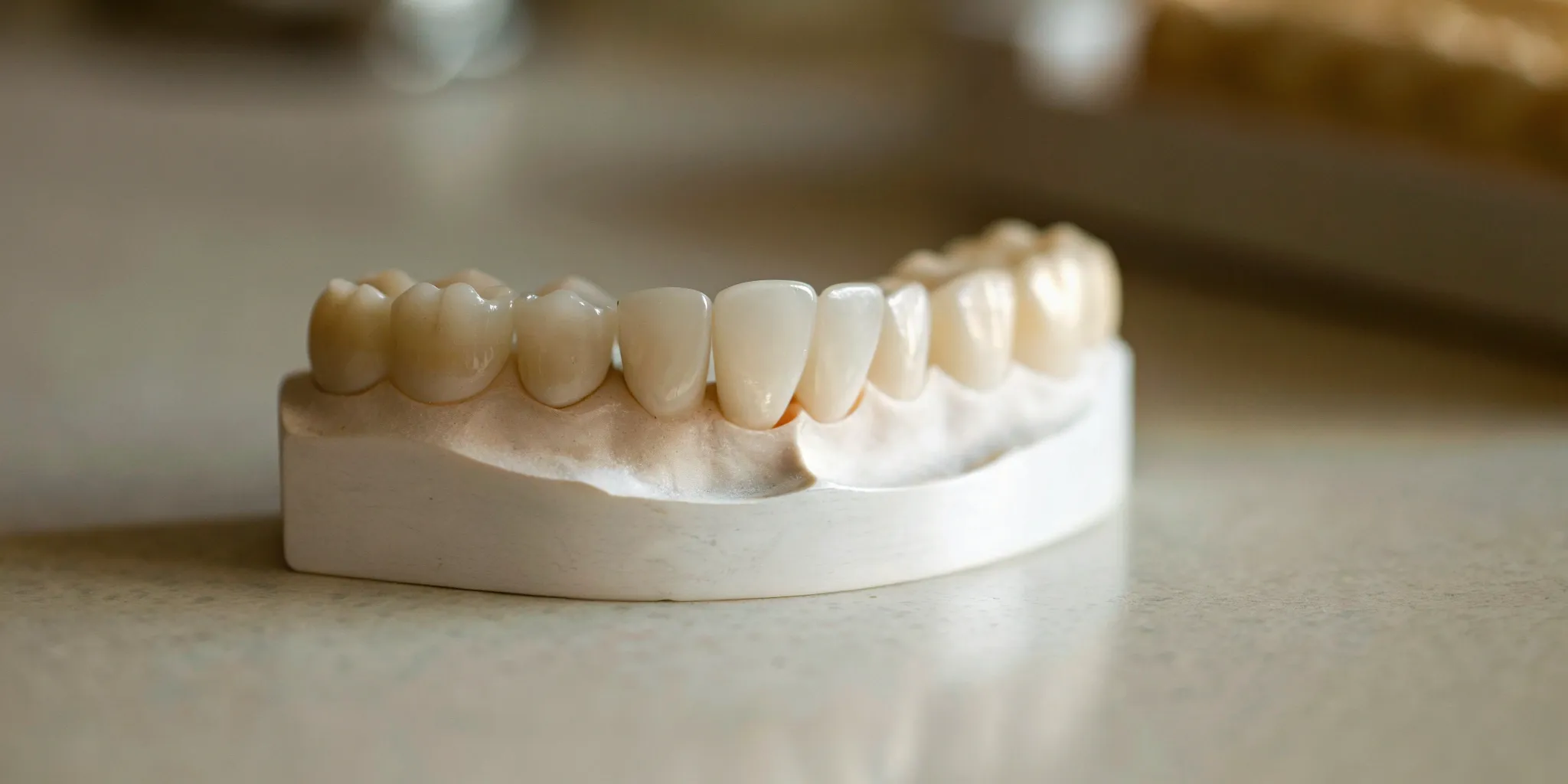
Once your implants have healed, it’s time for the main event: your beautiful new teeth. The cost includes the fabrication of your final restoration, which could be a full-arch bridge or a set of implant-supported dentures. These aren’t generic, one-size-fits-all teeth. They are custom-crafted in a dental lab to match the shape, color, and size of natural teeth, giving you a seamless and stunning smile. The price covers the high-quality materials, the abutments that connect the teeth to the implants, and the artistic skill required to create a restoration that looks and feels completely natural.
Anesthesia and Sedation Options
Your comfort is our top priority during the implant procedure. The total cost of your treatment will include the price of anesthesia to ensure you have a pain-free experience. Depending on your needs and anxiety levels, you can choose from various levels of sedation, from local anesthetic to deeper options that allow you to relax completely. The type of sedation dentistry you select will influence the final cost, and we will discuss all available options with you during your consultation to find the right fit for your comfort and budget.
Follow-Up and Aftercare
Your treatment doesn’t end the day you get your new teeth. The cost of full mouth implants also covers the essential follow-up care needed to ensure everything heals perfectly. This includes several post-operative appointments to monitor your progress, make any necessary adjustments to your new teeth, and provide guidance on how to care for them. These check-ins are vital for the long-term success of your implants. We’re committed to supporting you throughout your recovery and beyond, making sure your new smile stays healthy and beautiful for years to come.
Common Myths About Implant Costs
When you start researching full mouth implants, you’ll likely come across a lot of information about the cost—and not all of it is accurate. Let’s clear up some of the most common myths so you can approach your decision with confidence.
The Truth About Insurance Coverage
One of the biggest misconceptions about dental implants is that insurance won’t touch them. While it’s true that not every plan covers the full amount, many dental insurance plans now offer partial coverage for the procedure. The world of insurance benefits can be tricky, but you don’t have to figure it out alone. Our team is experienced in working with various providers and can help you review your policy to understand exactly what’s covered. We’ll work with you to maximize your benefits and make the financial side of things as clear as possible from the start.
Why Quality Matters More Than Price
It can be tempting to shop around for the lowest price, but your health is one area where quality should always come first. A successful implant procedure is about more than just the final cost; it’s about the skill of your dental team, the quality of the materials used, and the precision of the treatment plan. Working with an experienced provider ensures your procedure is safe, effective, and built to last. A proper consultation will give you the guidance needed to understand the long-term benefits of a high-quality restoration, which often saves you money and stress down the road.
Viewing Implants as a Lifelong Investment
It’s helpful to reframe the cost of full mouth implants from a simple expense to a lifelong investment in your well-being. This treatment is a true game-changer for so many people. It restores not just your smile, but your ability to eat comfortably, speak clearly, and feel confident in social situations. Unlike other options that may need frequent replacements or adjustments, implants are designed for durability. When you consider the impact on your daily quality of life, the cost becomes an investment in your health and happiness for years to come.
What to Expect for Maintenance
Some people believe that once implants are in, the work is done forever. While they are incredibly durable, they aren’t maintenance-free. Think of them like your natural teeth—they still need consistent care to stay in great shape. This means sticking to a routine of daily brushing and flossing, just as you normally would. Regular check-ups and cleanings are also essential to ensure your gums stay healthy and your implants remain in excellent condition. Proper general dentistry care is the key to making sure your new smile lasts a lifetime.
Understanding the Full Treatment Timeline
The idea of a long, drawn-out treatment process can be intimidating, but the timeline for full mouth implants is often quicker than patients anticipate. Every person’s situation is unique, so the exact timeline will vary based on factors like your oral health and whether any preparatory procedures, such as oral surgery, are needed. However, many find the process to be very manageable. During your initial consultation, we will map out a clear and personalized treatment plan for you, so you’ll know exactly what to expect every step of the way.
How to Make Full Mouth Implants More Affordable
The decision to invest in full mouth dental implants is a big one, and it’s completely normal to have questions about the cost. The good news is that a beautiful, permanent smile is more attainable than you might think. There are several practical ways to manage the expense, making your dream smile a reality without breaking the bank. Let’s walk through some of the best options available to make your treatment affordable.
Using Your Dental Insurance
It’s a common myth that dental insurance won’t touch the cost of implants, but that’s not always the case. While many plans may not cover the entire procedure, they often provide partial coverage for certain parts of the treatment. For instance, your insurance might help with the cost of extractions or the final crowns that attach to the implants. The key is to understand your specific benefits. We recommend calling your insurance provider directly, and our team at Pearl Dental Group is always here to help you review your policy and maximize your coverage. We’ll work with you to ensure you get every dollar of benefit you’re entitled to.
Exploring Financing Solutions
If you prefer to spread the cost of your treatment over time, third-party financing can be an excellent choice. Companies like CareCredit specialize in healthcare financing, allowing you to pay for your dental implants through manageable monthly installments. These plans often come with flexible terms, including interest-free periods if the balance is paid within a specific timeframe. Applying is usually a quick and straightforward process, and it gives you the freedom to move forward with your treatment right away while paying for it on a schedule that fits your budget. It’s a popular and effective way to make a significant investment in your health feel much more manageable.
Using Your HSA or FSA
Do you have a Health Savings Account (HSA) or Flexible Spending Account (FSA) through your employer? If so, you can use these funds to pay for your full mouth dental implants. These accounts are designed for out-of-pocket medical and dental expenses, and the best part is that you contribute to them with pre-tax dollars. Using this money for your implants is like getting an automatic discount, as you’re not paying taxes on the funds you use. It’s a smart financial strategy that can significantly reduce your overall cost. Be sure to check your account balance and plan details to see how much you can contribute and use toward your treatment.
Asking About Available Discounts
When you come in for your consultation, don’t hesitate to ask about any available discounts or promotions. Some dental offices offer a courtesy discount for patients who choose to pay for their entire treatment upfront in cash. There may also be seasonal offers or special packages available that could lower your total cost. The only way to know for sure is to ask. Discussing the financial aspects of your care is a normal and important part of the process. Our team at Pearl Dental Group is committed to transparency and will gladly review all pricing and payment options with you to create a plan that works for you.
How Implants Compare to Other Options
When you’re looking at replacing missing teeth, it’s easy to feel overwhelmed by the options. You’ve likely heard about dentures and bridges, and now you’re exploring dental implants. While each has its place, they offer very different experiences in terms of cost, durability, and day-to-day life. Understanding these differences is key to choosing the solution that truly fits your lifestyle and long-term goals for your health and happiness. Let’s break down how implants stack up against the more traditional choices so you can feel confident in your decision.
Cost of Implants vs. Dentures or Bridges
Let’s be honest about the numbers. Full mouth dental implants have a higher initial price tag than traditional dentures or bridges. While that can seem daunting, it’s important to view it as a long-term investment in your health. Traditional dentures are less expensive upfront but often need to be relined or completely replaced every five to ten years. Those recurring costs for replacements, adhesives, and adjustments can add up significantly over a lifetime. Think of it this way: implants are a one-time investment in a permanent solution, while other options may require ongoing financial and time commitments down the road.
Durability and Longevity
This is where dental implants truly shine. They are built to last. With the right care—the same brushing, flossing, and regular check-ups you’d give natural teeth—implants can last for 25 years or even a lifetime. They are made from biocompatible titanium that fuses directly with your jawbone, creating a stable and incredibly strong foundation. Compare that to dentures, which can wear down and lose their fit over time, or bridges, which rely on neighboring teeth for support and may need to be replaced. Implants are designed to be a permanent part of your smile, giving you a reliable and lasting solution without the worry of future replacements.
The Impact on Your Quality of Life
Beyond the practicalities of cost and durability, consider how your choice will affect your daily life. Because implants are anchored in your jaw, they feel and function just like natural teeth. You can eat your favorite crunchy or chewy foods without a second thought, speak without worrying about anything slipping, and smile with complete confidence. They also stimulate the jawbone, preventing the bone loss that can lead to a sunken facial appearance. This is a stark contrast to removable dentures, which can sometimes feel bulky, affect your taste, and require messy adhesives. A full smile makeover with implants is about restoring your smile and reclaiming your quality of life.
How to Choose the Right Implant Dentist
Choosing a dentist for your full mouth implants is a major decision. This isn’t just about finding someone to perform a procedure; it’s about finding a long-term partner for your oral health. The right dentist will not only have the technical skill but will also make you feel comfortable, informed, and confident every step of the way. Your relationship with your dental team is just as important as the materials they use.
When you start your search, it’s easy to get focused on just the final price tag. But the experience of the provider, the thoroughness of the treatment plan, and the clarity around financial options are what truly define a successful outcome. A great dental practice will be transparent about all of these aspects from your very first consultation. They should be ready to answer all your questions, show you examples of their work, and walk you through what to expect before, during, and after the surgery. Think of it as building a team for your new smile—you want the best players on your side.
Finding an Experienced Provider
When it comes to a procedure as precise as dental implants, experience is non-negotiable. Working with an experienced provider ensures that your procedure is both safe and effective. Look for a dentist or oral surgeon who specializes in implantology and has a strong portfolio of successful cases. Don’t hesitate to ask about their training, how many implant procedures they perform each year, and to see before-and-after photos of patients with similar needs to yours.
A seasoned professional will also provide the guidance you need to understand the long-term benefits and care requirements of your new dental implants. They’ll set realistic expectations and make sure you’re fully prepared to maintain your smile for years to come.
What to Look for in a Treatment Plan
A quality treatment plan is your roadmap to a new smile, and it should be completely customized to you. A one-size-fits-all approach is a red flag. It’s essential to find a dentist who specializes in the procedure to ensure you receive a comprehensive treatment plan that addresses your specific needs, from your bone density to your aesthetic goals.
Your plan should clearly outline every single step, including the initial consultation, any necessary tooth extractions or bone grafts, the oral surgery for implant placement, and the final attachment of your custom teeth. It should also include a detailed timeline. This is your opportunity to ask questions and make sure you understand the entire process before committing.
Reviewing Your Financial Options
Let’s talk about the financial side of things. A transparent and supportive dental office will help you understand all the costs involved without any surprises. While it’s true that some dental insurance plans may not cover the full cost of dental implants, understanding your benefits is the first step to managing the financial aspect of your treatment. The office staff should be willing to check your coverage and explain what is and isn’t included.
Beyond insurance, ask about other ways to make the investment more manageable. Many practices offer third-party financing options or in-house payment plans that can break the total cost into predictable monthly payments. Your health is the priority, and a good dental team will work with you to find a financial solution that fits your budget.
Plan Your Investment in Your Smile
Deciding to get full mouth dental implants is a major step toward reclaiming your confidence and oral health. Like any significant investment, it helps to have a clear plan. Understanding the financial details, the treatment timeline, and long-term care requirements will help you move forward with clarity and peace of mind. Breaking it down into manageable steps makes the entire process feel much more approachable.
How to Prepare Financially
The first step is to get a handle on the numbers. While it’s true that some dental insurance plans don’t cover the full cost, many do offer partial coverage for dental implants. It’s always worth calling your provider to get the specifics of your policy. The total cost can also vary based on the materials used and the complexity of your case. We believe in full transparency, which is why your initial consultation includes a detailed breakdown of all expected costs. This allows you to see exactly what you’re investing in and helps you prepare your budget without any surprises.
What to Expect from the Timeline
There’s a common misconception that the dental implant process takes an incredibly long time. While it’s not an overnight fix, the timeline is often more efficient than you might think. The journey to a new smile involves several key phases: the initial consultation, the implant placement surgery, a healing period for the implants to integrate with your jawbone, and finally, the attachment of your beautiful, custom-made teeth. During your consultation, we’ll map out a personalized timeline for your smile makeover, so you’ll know what to expect at every stage.
Budgeting for Long-Term Care
Think of dental implants as a lifelong investment in your health. The good news is that caring for them is straightforward and very similar to caring for natural teeth. Your long-term care budget should simply include routine dental visits and good daily hygiene. Regular brushing, flossing, and scheduling check-ups with your general dentistry team are the best ways to protect your investment. This consistent care ensures your implants and your smile remain healthy and vibrant for decades, making the initial cost a truly worthwhile expenditure.
Related Articles
- All-on-4 Dental Implants Cost: A Full Breakdown
- Zirconia All on 4 Cost: A Complete Breakdown
- Best Dental Implants Near Me: The Ultimate Guide
Frequently Asked Questions
Why is the price range for full mouth implants so wide? The final cost is tailored to your specific situation, which is why you see such a broad price range. Think of it like a custom renovation for your smile. The total investment depends on factors like the materials you choose for your final teeth—for example, premium zirconia versus porcelain—and whether you need preparatory work like bone grafting or tooth extractions to create a healthy foundation. Your unique anatomy and the complexity of your case will determine the final number.
Is getting full mouth dental implants a painful process? Your comfort is a top priority, so the surgical procedure itself is not painful. You will be completely numb, and we offer sedation options to help you feel relaxed and at ease. It’s normal to experience some soreness and swelling during the first few days of recovery, but this is typically manageable with prescribed medication and is a temporary part of the healing process.
How long does the entire process take from start to finish? The journey to your new smile is a multi-step process that typically takes several months to complete. This timeline allows for a crucial healing period after the implants are placed, where they fuse with your jawbone to create a strong, permanent base. During your initial consultation, we will map out a personalized timeline for you so you know exactly what to expect at every stage.
Will my new teeth look natural or will people be able to tell they’re implants? The goal of a full mouth restoration is to create a smile that looks and feels completely natural. Your new teeth are custom-designed in a dental lab to complement your facial features, skin tone, and personal aesthetic goals. We use high-quality, lifelike materials like porcelain and zirconia to ensure your final smile is beautiful, seamless, and looks like it has always been yours.
How do I care for my new implants once the treatment is complete? Caring for your full mouth implants is surprisingly straightforward and very similar to how you would care for natural teeth. The key to making them last a lifetime is consistent daily hygiene, which includes brushing twice a day, flossing, and attending your regular dental check-ups and cleanings. There are no special adhesives or nightly soaking required.