





You wouldn’t build a house on a shaky foundation, and the same principle applies to your smile. For a dental crown to be a long-lasting success, it needs a perfectly prepared base. This foundational work is precisely what happens during the process of preparing a tooth for a crown. It’s not just about making the tooth smaller; it’s a careful, detailed procedure where we remove any decay, shape the tooth for a secure fit, and ensure the final restoration will align perfectly with your bite. Understanding this groundwork is key to appreciating how your new crown will protect your tooth for years to come.
Key Takeaways
- A Crown is Your Tooth’s Best Defense: When a tooth is cracked, severely decayed, or weakened, a crown acts as a protective shield, restoring its original strength and preventing future damage so you can chew with confidence.
- The Process is Simpler Than You Think: Modern technology like digital scanning makes getting a crown a comfortable and precise experience, ensuring your final restoration is custom-made for a perfect fit without the need for messy molds.
- Long-Term Care is Straightforward: Your new crown doesn’t require a complicated routine; just brush and floss as you normally would to keep the underlying tooth healthy and ensure your restoration lasts for years to come.
Do You Really Need a Dental Crown?
If you’ve been told you might need a dental crown, it’s natural to have questions. Simply put, a crown is a custom-made cap that fits over your tooth to restore its shape, size, and strength. While a filling patches up a small part of a tooth, a crown provides full coverage, giving it a brand-new, durable outer surface. This is often the best solution for protecting a weak or damaged tooth from the daily pressures of biting and chewing. Whether you’re dealing with a major cavity or want to perfect your smile, a crown is a fantastic long-term investment in your oral health.
Signs It’s Time for a Crown
Not sure if a crown is right for you? Your teeth often give you clues. A cracked or fractured tooth is one of the most common signs, as even a small crack can lead to bigger problems. You might also notice increased sensitivity to hot, cold, or sweet foods, which can signal an issue. Another clear indicator is a cavity that’s too large for a standard filling. In these cases, a crown provides the necessary strength and protection. Crowns are also standard after a root canal or to cover a dental implant.
A Quick Look at Crown Types
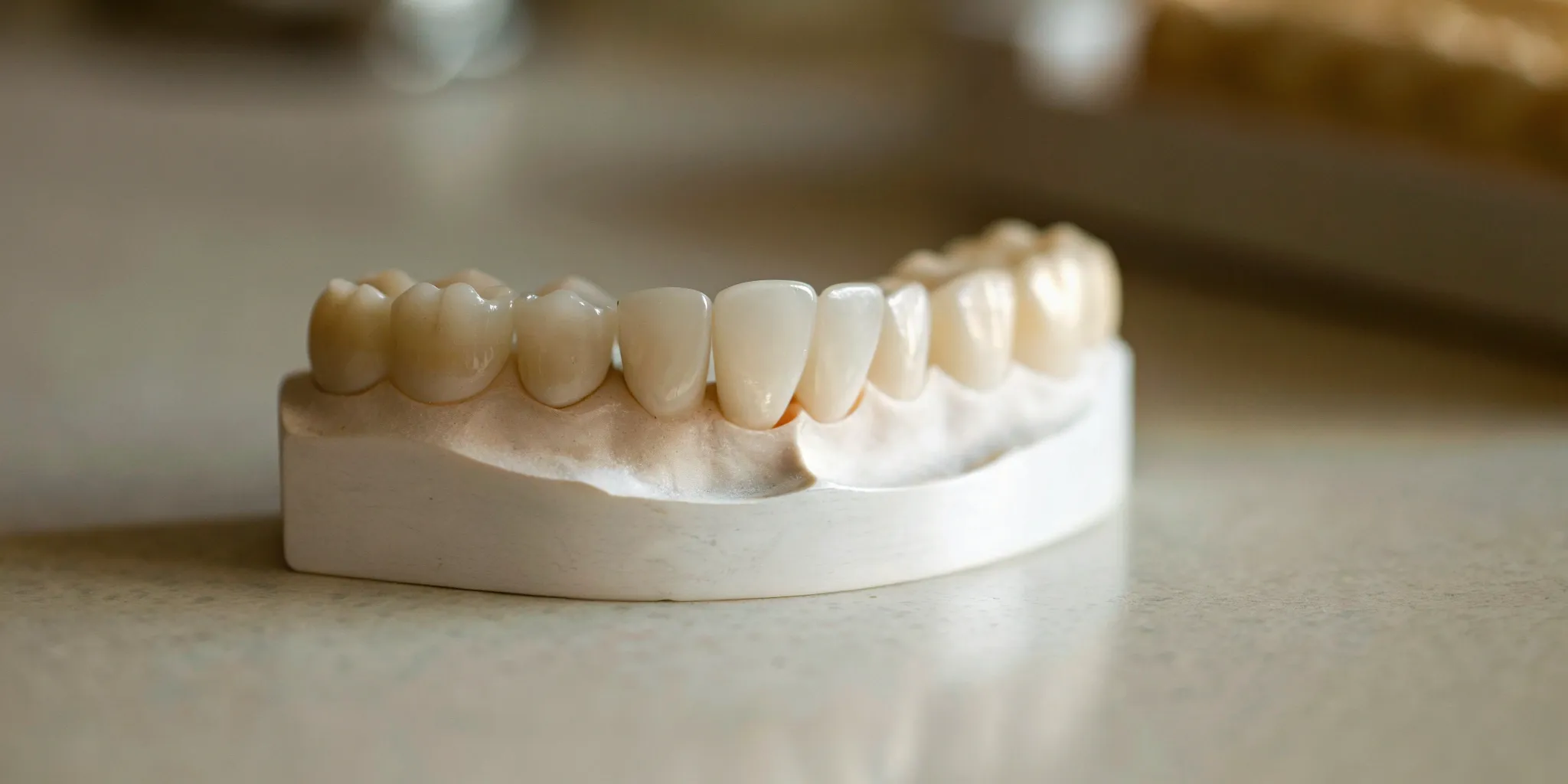
A dental crown is a tooth-shaped cap that covers your natural tooth to restore its strength and appearance. They aren’t one-size-fits-all; crowns come in various materials. Porcelain and ceramic are popular because they match the color of your natural teeth, blending in seamlessly. For back teeth that handle more chewing pressure, metal alloys offer incredible durability. We’ll help you choose the best material based on the tooth’s location and your goals. The aim is always a solution that looks great and lasts for years as part of our cosmetic dentistry services.
The Benefits of a Dental Crown
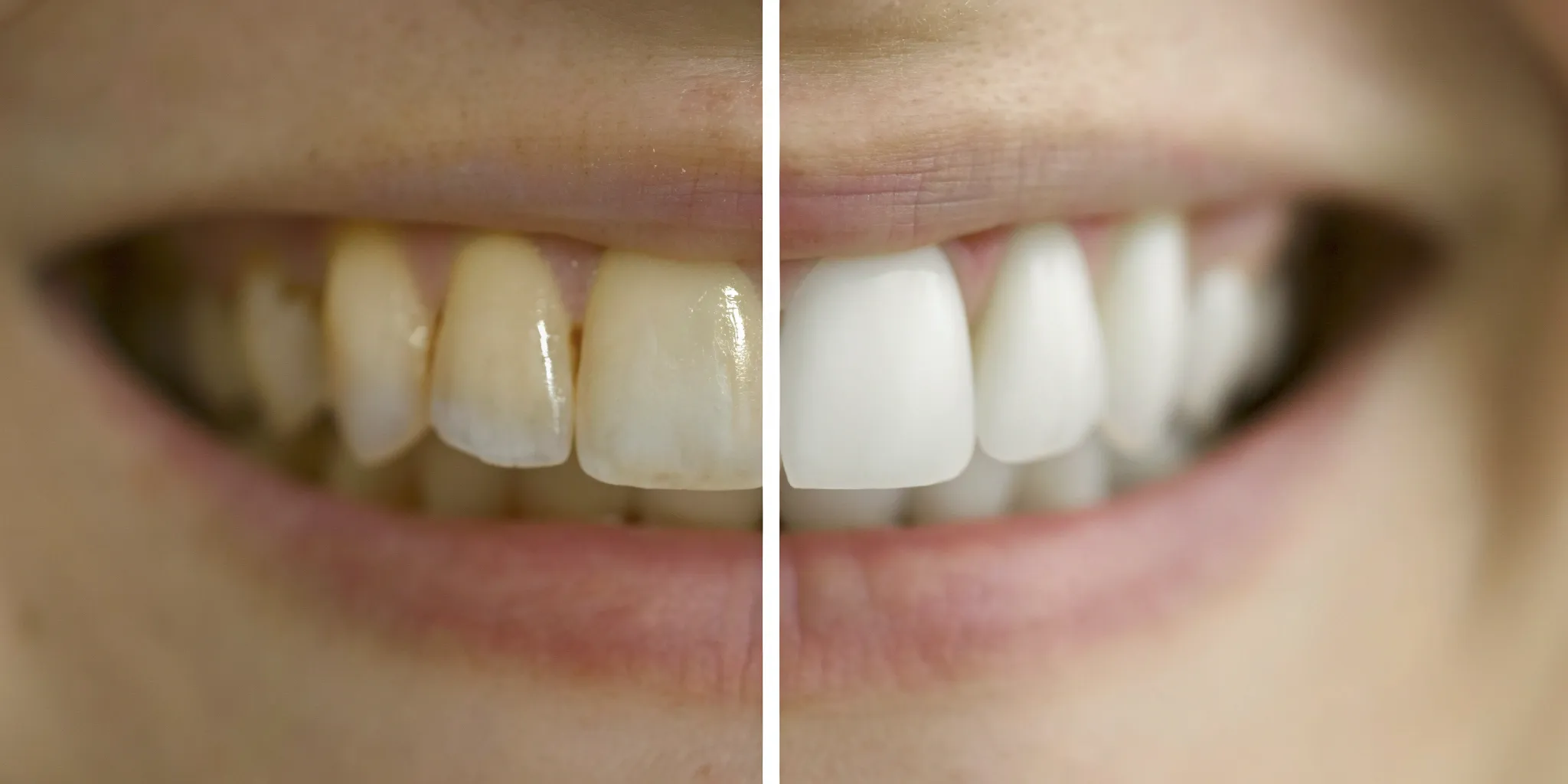
The advantages of a dental crown go beyond fixing a single tooth. First, crowns restore function. They bring back a tooth’s original strength and shape, letting you chew comfortably without worry. They also provide long-term protection for a damaged tooth, preventing it from breaking further. On the cosmetic side, crowns can transform a tooth’s appearance by correcting discoloration, misshapenness, or gaps. This makes them a key part of any smile makeover. A crown is a durable solution that improves both the health and beauty of your smile.
Getting Your Tooth Ready for a Crown: Step-by-Step
Getting a dental crown is a common and highly effective way to restore a tooth’s strength and appearance. The process is more straightforward than you might think, and it all starts with carefully preparing your tooth to ensure a perfect, long-lasting fit. Think of it as creating the ideal foundation for your new and improved tooth. We’ll walk you through each step so you know exactly what to expect on your journey to a healthier, more confident smile.
Your First Appointment: The Game Plan
Your first visit is all about setting the stage for a successful outcome. We’ll start by examining your tooth and taking X-rays to get a clear picture of its health. Once we confirm a crown is the right move, we’ll begin preparing the tooth. This involves gently numbing the area to ensure you’re completely comfortable. Then, your dentist will carefully remove a small amount of the outer enamel. This step is essential for making just enough space for the crown to fit over the tooth seamlessly, blending in perfectly with your other teeth. Our approach to general dentistry focuses on preserving as much of your natural tooth as possible.
Shaping the Tooth
After the initial prep, the next step is to shape the tooth. Your dentist will carefully remove any decayed or damaged areas, which is crucial for the long-term health of the tooth underneath the crown. The goal is to create a smooth, stable base for the crown to sit on securely. By filing down and reshaping the tooth, we ensure the final crown will have a snug fit that feels natural and functions just like your original tooth. This meticulous shaping is a key part of any cosmetic dentistry procedure, as it guarantees the final result looks and feels just right.
Making a Mold of Your Tooth
With your tooth perfectly shaped, it’s time to create a blueprint for your new crown. We take a precise impression of the prepared tooth and the surrounding teeth. Many modern practices, including ours, use advanced digital scanners to capture these details. This technology is not only more comfortable than the goopy putty molds of the past but also incredibly accurate. This detailed digital model is then sent to a specialized dental lab where technicians will craft a custom crown that fits your bite and matches your smile perfectly. This precision is what makes a complete smile makeover so transformative.
Wearing Your Temporary Crown
While your permanent crown is being custom-made at the lab, we won’t leave your prepared tooth exposed. We’ll place a temporary crown to protect it from damage and reduce sensitivity. This temporary cap will stay on for a few weeks, allowing you to eat and speak normally. It’s important to be a little gentle with it—avoiding very sticky or hard foods is a good idea. If your temporary crown ever feels loose or comes off, don’t worry. Just give us a call. We handle these situations quickly as part of our emergency dentistry services to keep you comfortable while you wait for your final restoration.
What to Know About Your Permanent Crown
After your first appointment, you’ll leave our office with a temporary crown. While it does the important job of protecting your prepared tooth, the real magic is happening behind the scenes. Over the next couple of weeks, a specialized dental lab will use the impressions we took to meticulously craft your permanent crown. This isn’t just a generic tooth cap; it’s a custom-designed restoration built to match the unique shade, shape, and size of your natural teeth. The goal is for your new crown to blend in so seamlessly that no one can tell it’s not your original tooth.
When you come back for your second visit, we’ll complete the process by fitting this permanent crown. This final step is all about ensuring a perfect fit, a comfortable bite, and a beautiful result that restores both the function and appearance of your tooth. We take every detail into account, from how the crown feels when you chew to how it looks when you smile. This two-step process ensures you get a high-quality, durable crown that will serve you well for years to come. Let’s break down exactly what goes into creating and placing your final crown.
How Your Custom Crown Is Made
Once we’ve taken an impression of your prepared tooth, that mold becomes the blueprint for your new crown. We send it to a specialized dental laboratory where skilled technicians get to work. Using the impression as their guide, they craft a crown that will fit over your tooth with incredible precision. This process ensures that your new crown will not only look natural but will also align perfectly with your bite. It’s a blend of art and science, all focused on creating a restoration that feels like it was always there.
Choosing the Right Material
Crowns can be made from several different materials, and we’ll help you choose the best one for your specific needs. Porcelain and ceramic crowns are popular choices because they can be matched to the exact shade of your other teeth, making them ideal for visible front teeth. These materials are a cornerstone of modern cosmetic dentistry. For back molars that handle a lot of chewing pressure, a metal alloy or porcelain-fused-to-metal crown might be recommended for its superior strength and durability. The right choice depends on the tooth’s location, your bite, and your personal preference.
Digital Scans vs. Traditional Molds
You might remember dental impressions as a goopy, uncomfortable process, but technology has given us a much better way. Many modern practices, including ours, use digital scanners to create a 3D image of your tooth. This method is not only more comfortable for you—no putty required—but it’s also incredibly accurate. Digital scans create a precise model for the lab, which helps ensure your final crown fits perfectly from the start. This technology allows for a smoother, faster, and more pleasant experience all around, getting you closer to your final smile with less hassle.
The Final Fitting
When you return for your second visit, we’ll start by gently removing your temporary crown. Then, we’ll place your new, permanent crown to check the fit and color. We’ll have you bite down and move your jaw to make sure your alignment feels comfortable and natural. If any minor adjustments are needed, we can make them right there in the office. Once we’re both happy with the fit, we will permanently bond the crown to your tooth. This is a common and straightforward part of our general dentistry services, leaving you with a strong, fully restored tooth.
Caring for Your Tooth After Prep
Once your tooth is prepped and your temporary crown is in place, you’re on the home stretch! Taking care of your tooth during this in-between phase is simple, but it’s key to ensuring your final crown fits perfectly. Think of it as protecting your investment. For the next couple of weeks, your tooth and the surrounding gums might be a little sensitive, which is completely normal. Here’s a straightforward guide to keeping things comfortable and secure until you come back for your permanent crown.
Immediate Aftercare Tips
Right after your appointment, you can generally get back to your daily routine without any major downtime. It’s common to feel some sensitivity to hot and cold temperatures or notice that your gums are a bit sore. This is just your mouth adjusting and should fade within a few days. If you feel any discomfort, standard over-the-counter pain relievers can help you manage it effectively. Just be gentle with the area when brushing and flossing, and your mouth will be back to normal before you know it. Our approach to general dentistry always prioritizes your comfort, both in and out of the chair.
What Not to Eat (For Now)
Your temporary crown is a placeholder, and while it’s sturdy, it’s not as strong as your permanent one. To keep it from coming loose or breaking, it’s best to avoid certain foods for a little while. Steer clear of anything especially hard (like nuts or ice), sticky (like caramel or taffy), or chewy (like tough breads or steak). These foods can pull the temporary crown right off or damage the underlying tooth. Sticking to softer foods for a couple of weeks is a small price to pay for a smooth process and a beautiful final result.
How to Manage Discomfort
A little sensitivity is one thing, but sharp or severe pain is not part of the plan. While some tenderness is expected after a crown prep procedure, you shouldn’t be in significant pain. If you do feel a throbbing or persistent ache, it’s important to let us know. Your comfort is our top priority. During any procedure, we can always provide additional numbing medication if you need it. After you go home, if the discomfort feels more intense than you were expecting, don’t hesitate to give our office a call.
When to Call Us
We’re here to help you through every step, so please reach out if something doesn’t feel right. You should contact us if your temporary crown feels loose, wiggly, or falls off completely. It’s important to get it re-cemented to protect your tooth. Also, let us know if you notice a persistent bad taste or smell around the crown, see any cracks or chips, or feel a sharp edge that’s irritating your tongue or cheek. Our emergency dentistry services are available if you experience a problem that needs immediate attention.
How to Care for Your New Crown
Your new crown is a fantastic investment in your smile and oral health. With just a little attention, you can keep it looking and feeling great for years to come. Here’s everything you need to know about caring for your crown once you leave our office.
Your Daily Care Routine
Caring for a crowned tooth is a lot like caring for your natural teeth, which is great news! There’s no complicated new routine to learn. Just stick to the basics: brush at least twice a day with a soft-bristled toothbrush and floss daily. This is crucial because while the crown itself can’t get a cavity, the tooth underneath it and the gumline around it are still vulnerable to plaque and bacteria. Using an antibacterial mouthwash can also help keep your gums healthy. Consistent general dentistry habits are your best defense and will ensure your crown and the tooth it protects stay in top shape for the long haul.
Keeping Your Crown in Great Shape
While your new crown is incredibly strong, it’s not indestructible. It’s wise to avoid putting extreme pressure on it, so try not to chew on ice, hard candies, or very sticky foods that could potentially dislodge it. Think of it as protecting your investment. You should also pay attention to how it feels. If you notice your crown feels loose, see a chip or crack, or experience a bad taste or odor around the area, please give us a call right away. Catching these small issues early can prevent bigger problems down the road. For urgent concerns like a cracked crown, our emergency dentistry services are here to help you quickly.
What to Watch Out For
It’s completely normal to experience some mild sensitivity to hot, cold, or pressure for a few days after your crown is placed. Your tooth and the surrounding gums have been through a lot, and they just need a little time to settle down. However, this sensitivity should gradually fade. If you find that the discomfort is severe, gets worse instead of better, or doesn’t go away after a week or so, that’s your cue to contact us. Persistent pain could indicate that your bite needs a minor adjustment or that the nerve is irritated. Don’t hesitate to reach out—we want to make sure you’re comfortable and that your new crown fits perfectly.
How Long Will Your Crown Last?
One of the best things about a dental crown is its durability. With the right care, your permanent crown can easily last for 15 to 20 years, and many people have them for even longer! The lifespan of your crown really comes down to your daily habits and regular dental visits. By following the simple care routine we’ve outlined—brushing, flossing, and avoiding unnecessarily hard foods—you are actively extending its life. Think of your regular check-ups as tune-ups for your crown. During these visits, we can spot any potential issues early and ensure your entire smile makeover stays healthy and strong for decades to come.
Crown Prep Myths vs. Facts
Let’s be honest—dental procedures can seem intimidating, especially when you’re not sure what to expect. Misinformation about dental crowns is common, and it can cause unnecessary anxiety. The truth is, modern dentistry has made getting a crown a smooth and predictable process. We’re here to clear up a few of the most persistent myths so you can feel confident and informed about your dental care. From pain concerns to aftercare, let’s separate the facts from the fiction.
Myth: It’s a Painful Process
Many people put off getting a crown because they’re worried it will hurt. In reality, a dental crown is often the solution to end tooth pain, not cause it. If you have a cracked, broken, or severely decayed tooth, a crown protects it from further damage and relieves discomfort. During the preparation appointment, we use local anesthesia to completely numb the tooth and the surrounding area. You won’t feel any pain during the procedure, just some light pressure. Our goal is to make sure you’re comfortable every step of the way.
Myth: It Takes Forever
Another common concern is that getting a crown is a long, drawn-out process involving endless appointments. While it used to take weeks to get a permanent crown, dental technology has come a long way. The entire process is much more efficient now. After your initial consultation and tooth preparation, you’ll wear a temporary crown for a short time while your custom one is crafted. The timeline is much faster than most people imagine, getting you back to your routine with a healthy, restored tooth without a major time commitment.
Myth: It Will Look Unnatural
The fear of a “fake-looking” tooth that stands out from the rest of your smile is completely understandable. Thankfully, the days of obvious, unnatural-looking dental work are behind us. Modern crowns are custom-made from high-quality materials like porcelain, which mimics the translucency and color of natural tooth enamel. We meticulously match the crown to the exact shade and shape of your surrounding teeth. The final result is a restoration that blends in so seamlessly, it’s a key part of a complete smile makeover.
Myth: Crowns Need Complicated Care
Some people believe that having a crown means adopting a complicated and difficult oral hygiene routine. This simply isn’t true. Caring for a dental crown is just as straightforward as caring for your natural teeth. You don’t need any special tools or pastes. Your daily routine of brushing twice a day, flossing once a day, and visiting us for regular check-ups is all it takes to keep your crown and the underlying tooth healthy. Think of it as just another tooth in your smile that needs consistent, simple general dentistry care.
How Technology is Changing Dental Crowns
If you think getting a dental crown involves multiple long appointments and goopy, uncomfortable molds, it’s time for an update. Dental technology has made incredible strides, transforming the entire process. Today, getting a crown can be faster, more comfortable, and more precise than ever before. These advancements aren’t just about fancy new tools; they’re about improving your experience and delivering a final result that looks and feels incredibly natural. From digital scanning to in-office milling, modern dentistry allows us to restore your tooth’s strength and appearance with amazing accuracy and efficiency.
Getting a Crown in a Single Visit
One of the most exciting changes in dentistry is the ability to get a permanent crown in a single appointment. Thanks to special computer-aided design and manufacturing (CAD/CAM) technology, the days of wearing a temporary crown for weeks are disappearing. We can now design, create, and place your final, custom-fit ceramic crown in just one visit. This is a game-changer if you have a busy schedule or need an urgent fix. It streamlines the entire process, getting you back to your life with a beautiful, permanent restoration without the extra appointments. This is especially helpful in emergency dentistry situations where a quick, lasting solution is needed.
The Magic of Digital Scans
Remember the trays of thick, gooey paste used to take impressions of your teeth? For many, that’s a thing of the past. We now use a special wand-like scanner to take highly accurate digital pictures inside your mouth. This process is quick, clean, and comfortable. In minutes, it creates a perfect 3D model of your tooth and the surrounding area on a computer screen. These digital scans are more precise than traditional molds, which means your final crown will have a superior fit. This accuracy is a critical part of successful cosmetic dentistry, ensuring your new crown blends seamlessly with your smile.
Stronger, More Natural-Looking Materials
Crown materials have come a long way. While metal and porcelain-fused-to-metal crowns are still used, modern all-ceramic and porcelain options offer the best of both worlds: strength and beauty. These advanced materials are incredibly durable and can be perfectly color-matched to your natural teeth, making them virtually undetectable. They are also an excellent choice if you have metal allergies. The result is a restoration that not only protects your tooth but also enhances your smile. Choosing the right material is a key step in a complete smile makeover, allowing us to create a look that is both beautiful and built to last.
Planning Your Perfect Smile
Advanced computer software gives us complete control over the design of your new crown. Using the 3D digital scan of your tooth, we can meticulously design a restoration that fits your bite perfectly and complements the shape of your other teeth. We can adjust every tiny detail on-screen to ensure an ideal outcome. Once the design is finalized, an in-office milling machine carves the crown from a solid block of high-quality ceramic. This combination of digital design and precise manufacturing means your new crown isn’t just a cap—it’s a custom-engineered piece of a healthy, functional, and beautiful smile.
Related Articles
- Dental Crowns & Bridges in Metairie | Pearl Dental Group
- Best Dental Crowns & Bridges Treatments in Baton Rouge, LA
- Best Dental Crowns & Bridges Treatments in Metairie, LA
Frequently Asked Questions
How long does the entire dental crown process take? The timeline really depends on your specific situation. The traditional method involves two appointments spaced a couple of weeks apart—one to prepare the tooth and place a temporary crown, and a second to fit your permanent one. Thanks to modern technology, we can sometimes design and place your final crown in a single visit. We’ll discuss the best and most efficient option for you during your consultation.
Will getting a crown hurt? Your comfort is our priority, so we make sure the entire area is completely numb before we begin. You shouldn’t feel any pain during the procedure, just some light pressure. It’s normal to experience some mild sensitivity for a few days afterward as your tooth adjusts, but this is temporary and easily managed. In fact, a crown is often the best way to relieve the pain caused by a cracked or damaged tooth.
What’s the difference between a crown, a filling, and a veneer? Think of a filling as a small patch used to repair a cavity. A veneer is a thin, cosmetic shell that covers only the front surface of a tooth to improve its appearance. A crown is a full-coverage cap that encases the entire tooth. It’s used to restore a tooth’s strength, shape, and function when it has been significantly damaged, is cracked, or has had a root canal.
How do I take care of my temporary crown? Your temporary crown is a placeholder, so it needs a little extra attention. For the few weeks you have it, try to avoid chewing on that side of your mouth and steer clear of very hard or sticky foods like nuts and caramel. You can brush it gently, but when you floss, it’s best to slide the floss out from the side of the tooth instead of pulling it straight up. If it ever feels loose or comes off, just give us a call so we can secure it for you.
How long can I expect my permanent crown to last? A dental crown is a fantastic long-term investment in your oral health. With consistent care, your permanent crown can easily last for 15 to 20 years, and often much longer. Its lifespan really comes down to your daily habits. Brushing, flossing, and attending your regular dental check-ups are the best ways to protect the underlying tooth and ensure your crown stays strong for decades.