






When considering a smile makeover, it’s natural to focus on the final, beautiful result. But understanding the investment is a crucial part of the process. The porcelain veneer cost isn’t just an arbitrary number; it’s a reflection of the incredible skill, artistry, and high-quality materials required to create a seamless, long-lasting smile. From the expertise of the cosmetic dentist to the custom craftsmanship of the dental lab technician who hand-makes each veneer, every step contributes to the final outcome. We’ll pull back the curtain and show you exactly what you’re investing in, ensuring you see the true value behind the price.
Key Takeaways
- Veneer pricing is completely custom. The final cost isn’t a flat fee but a reflection of personalized factors like your dentist’s expertise, the quality of the porcelain, and the number of teeth you’re transforming.
- You have several ways to manage the investment. Since veneers are rarely covered by insurance, explore practical options like in-house payment plans, third-party financing, or using your FSA/HSA funds to make the cost more accessible.
- Long-term success depends on partnership and simple habits. Choosing an experienced cosmetic dentist ensures a high-quality result, while a straightforward daily routine of gentle brushing and flossing is all you need to protect your smile for over a decade.
What Are Porcelain Veneers?
If you’ve ever admired a celebrity’s perfectly straight, white smile and wondered what their secret is, there’s a good chance it’s porcelain veneers. Think of them as a permanent upgrade for your teeth. Veneers are incredibly thin, custom-made shells that are bonded to the front surface of your teeth to correct a variety of cosmetic issues. They’re an amazing solution for covering things like chips, cracks, stubborn stains, small gaps, or even slightly crooked teeth.
Instead of going through several different procedures, veneers offer a single, streamlined approach to achieving the smile you’ve always wanted. Each veneer is meticulously designed to match your desired tooth shape and color, resulting in a look that is both stunning and completely natural. For anyone looking to make a significant change, veneers are one of the most transformative cosmetic dentistry treatments available.
How They Work and What They’re Made Of
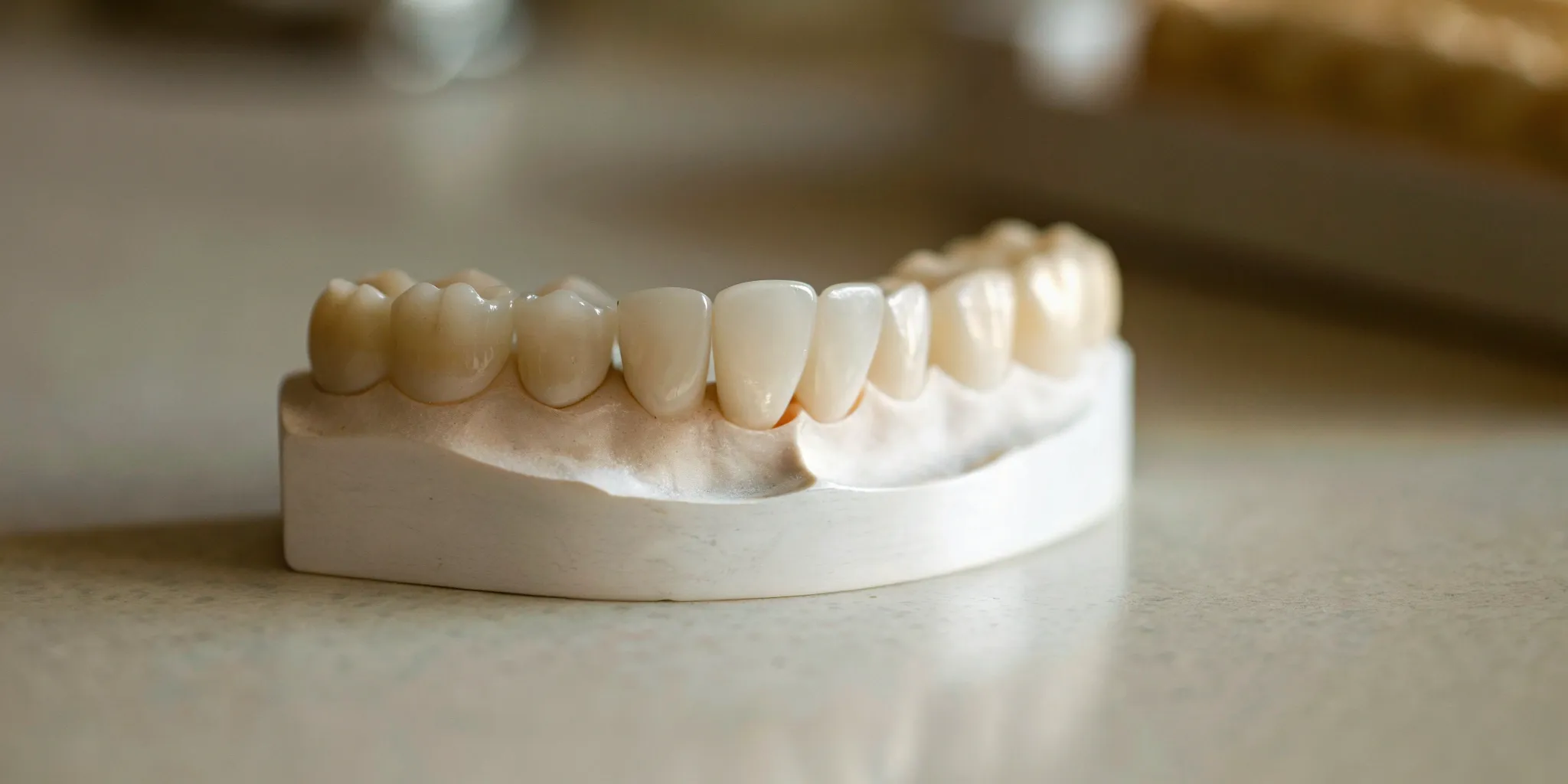
Porcelain veneers are crafted from a durable, high-quality ceramic that mimics the light-reflecting properties of natural tooth enamel. Each shell is wafer-thin—about 0.5 millimeters, or the thickness of a contact lens. To ensure a seamless fit, your dentist will prepare your teeth by removing a tiny amount of enamel from the front. This step is essential for making sure the veneers sit flush with your gum line and don’t look bulky or unnatural.
Because a small amount of enamel is removed, the process is considered permanent, which is an important factor to keep in mind. Once your teeth are prepped, your custom-made veneers are securely bonded into place, creating an instant and beautiful new smile.
The Benefits: Durability and a Natural Look
One of the best things about porcelain veneers is their impressive longevity. When you take good care of them, they can easily last for 15 years or more, making them a worthwhile investment in your smile and confidence. The ceramic material is also non-porous, meaning it’s highly resistant to staining from things like coffee, tea, or red wine. You can enjoy your favorite foods and drinks without worrying about discoloration.
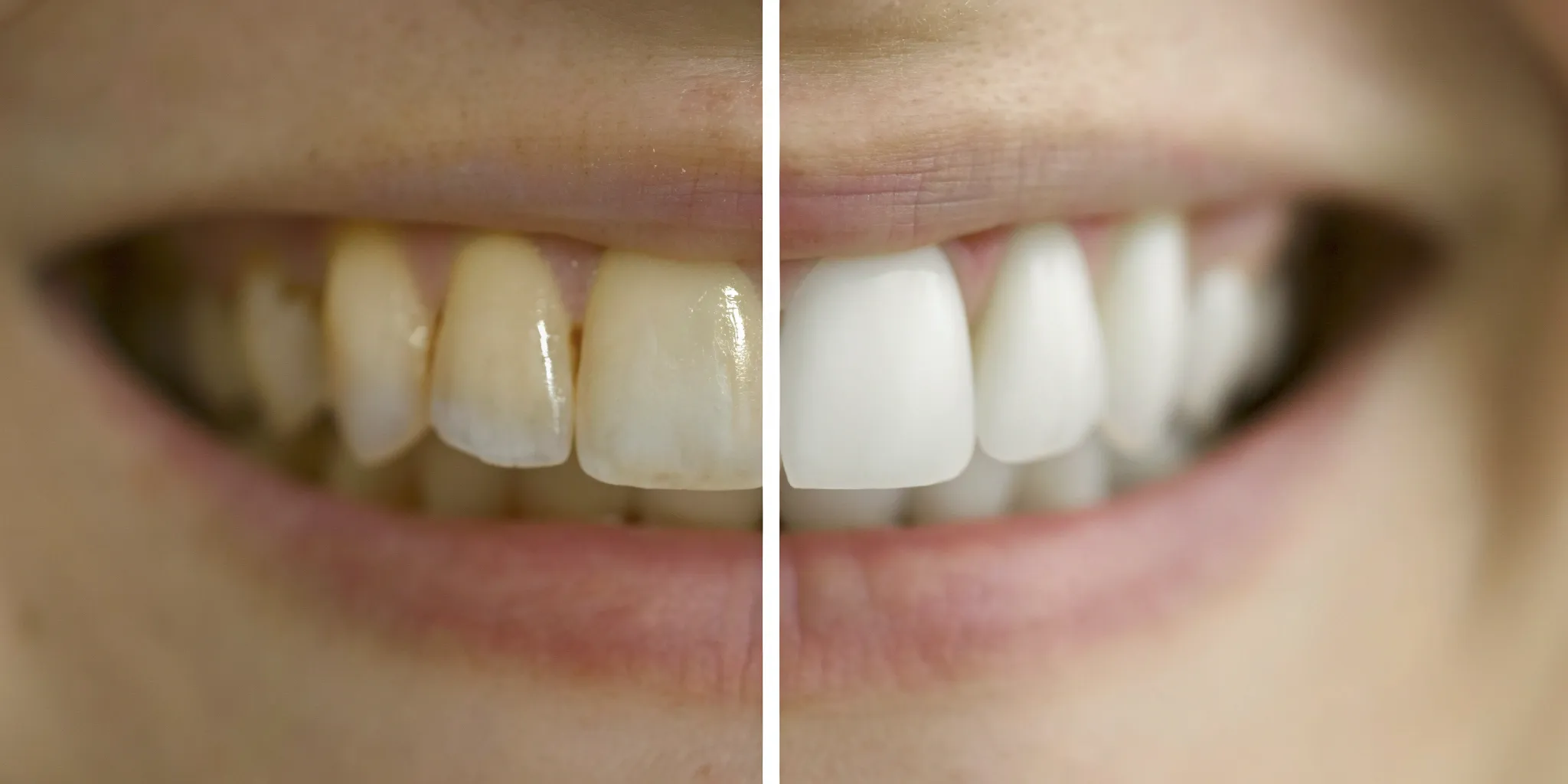
Beyond their strength, porcelain veneers are known for their incredibly natural appearance. The shade is customized to either match your existing teeth or create a brighter, whiter look. They reflect light just like natural enamel, so no one will be able to tell you’ve had dental work done—they’ll just see a gorgeous, healthy smile. This is why veneers are a key component of a total smile makeover.
Are Veneers the Right Choice for You?
Veneers can deliver incredible results, but they aren’t the right solution for every person. The best candidates are those who have a healthy foundation of teeth and gums. Before you can get veneers, any underlying issues like significant tooth decay or active gum disease need to be treated. Placing veneers over unhealthy teeth can trap bacteria and cause more serious problems later on.
Think of it like renovating a house—you have to fix the foundation before you can put on a beautiful new facade. The only way to know for sure if veneers are a good option for you is to schedule a consultation. A dentist can evaluate your overall oral health, listen to your goals, and help you decide on the best path forward for your smile.
How Much Do Porcelain Veneers Cost?
Let’s talk about one of the most common questions we hear: what’s the investment for porcelain veneers? It’s a great question, and the answer isn’t a single number. The cost of veneers can vary quite a bit because each treatment plan is completely customized to you and your smile goals. Think of it less like buying a product off the shelf and more like commissioning a piece of custom art for your smile. The final price depends on how many teeth you’re treating, the specific materials used, and your dentist’s expertise. To give you a clear picture of what to expect, let’s break down the typical costs and what goes into them.
The Average Cost Per Tooth
On a national level, you can expect a single porcelain veneer to cost anywhere from $925 to $2,500 per tooth, with the average falling around $1,765. This range accounts for differences in materials and the complexity of your specific case. For example, a veneer for a prominent front tooth that requires intricate shaping and color-matching might be on the higher end of that scale. This price reflects the high-quality porcelain and the detailed, artistic work required to create a seamless, natural-looking result that blends perfectly with your smile.
Investing in a Full Smile Makeover
Many people choose to get veneers on multiple teeth at once to achieve a consistent, stunning new look. This is often part of a complete smile makeover. For a full set of veneers, which typically covers the six to eight front teeth that show most when you smile, the cost can range from $5,700 to over $24,500. While this is a significant investment, treating several teeth together ensures a beautifully uniform appearance in color, shape, and size, giving you that cohesive, picture-perfect result you’re looking for.
How Location Affects Pricing
Just like with housing or other professional services, where you live plays a role in the cost of dental procedures. The price for veneers in a major city like Los Angeles or New York will likely be higher than in a smaller town due to higher overhead costs. For example, a full set of veneers might cost between $15,000 and $30,000 in California, while the same procedure could be closer to $7,500 to $15,000 in Florida. Here in Baton Rouge, our local market rates will influence the final price, so it’s always best to get a quote based on your specific location.
Factoring in Additional Costs
The price tag on the veneers themselves isn’t the only thing to consider. The final cost is also influenced by the dentist’s skill and experience, the quality of the dental lab creating the veneers, and any preparatory work your teeth might need. It’s also important to know that since veneers are a form of cosmetic dentistry, most dental insurance plans don’t cover them. The best way to get a precise and all-inclusive price is to schedule a consultation. We can create a personalized treatment plan and walk you through every detail of the cost.
What Factors Influence the Price of Veneers?
When you start looking into porcelain veneers, you’ll quickly find that there isn’t a single, set price. The cost is a lot like commissioning a custom piece of art—several factors come together to determine the final investment in your smile. The price reflects the quality of the materials, the skill of the professionals involved, and the unique requirements of your teeth. Understanding these components can help you see exactly what you’re paying for and why it’s worth it.
From the dentist’s level of expertise to the specific type of porcelain used, each element plays a crucial role. The complexity of your case, including any necessary prep work and the number of veneers you need, will also shape the total cost. Think of it as a personalized treatment plan where every detail is tailored to give you the best possible results. Let’s break down the key factors that influence the price of veneers so you can feel confident and informed as you plan your smile makeover.
Your Dentist’s Experience and Location
A significant part of the cost is tied to the skill and experience of the dentist performing the procedure. A dentist with advanced training and a proven track record in cosmetic dentistry will naturally command a higher fee. You’re paying for their expertise, artistic eye, and ability to create a seamless, natural-looking smile. Just as you’d expect to pay more for a seasoned surgeon, the same principle applies here. Additionally, the dental practice’s location matters. Overhead costs like rent and staff salaries vary by city and state, which is reflected in the pricing for dental services. An office in a major metropolitan area will generally have higher prices than one in a smaller town.
The Quality of the Porcelain Used
Not all porcelain is the same. The type and quality of the material used for your veneers have a direct impact on both the cost and the final result. High-quality dental porcelain is engineered to be incredibly strong and translucent, perfectly mimicking the look of natural tooth enamel. While it costs more than composite resin or lower-grade ceramics, this premium material offers superior durability and stain resistance. Investing in better porcelain means your veneers will last longer and look more realistic, preventing that opaque, “fake tooth” appearance. This choice ensures your new smile is not only beautiful but also built to stand the test of time.
Necessary Prep Work for Your Teeth
Before veneers can be placed, your teeth need to be in excellent health. If you have underlying issues like cavities, gum disease, or significant decay, they must be addressed first. This preliminary work is a separate cost from the veneers themselves. For example, you might need a deep cleaning or gum disease treatment to ensure your gums are healthy enough to support the veneers. The veneer process itself also requires some preparation. In most cases, your dentist will need to remove a very thin layer of enamel from the front of your teeth to make space for the veneers, ensuring they sit flush with your gum line and look completely natural.
Custom Laboratory Fees
Your veneers aren’t mass-produced; they are custom-crafted by a skilled dental laboratory technician. This is where artistry meets science. After your dentist takes impressions of your teeth, they are sent to a lab where a ceramist meticulously sculpts each veneer to match the precise size, shape, and color specified in your treatment plan. This customization is a major factor in the overall cost. Typically, the lab fees, which cover the technician’s expertise and the high-quality porcelain, account for about 30-40% of the total price. You are paying for a handcrafted restoration designed specifically for your smile.
The Number of Veneers You Need
This one is pretty straightforward: the more veneers you get, the higher the total cost will be. Some people may only need one or two veneers to correct a chipped or discolored tooth. Others might opt for a full set of six, eight, or even ten veneers across their upper front teeth to achieve a complete, symmetrical smile transformation. While the total investment increases with each additional veneer, many dentists offer a slightly reduced cost per tooth when you get a full set done at once. During your consultation, your dentist will help you determine the ideal number of veneers to achieve your desired aesthetic goals.
How Do Porcelain Veneers Compare to Other Options?
When you’re looking to transform your smile, porcelain veneers are a fantastic choice, but they aren’t the only one. The most common alternative is composite veneers. Both can give you beautiful results, but they have key differences in material, cost, and longevity. Understanding these distinctions is the first step in deciding which path is right for your smile goals and your budget. Let’s break down how they stack up against each other so you can feel confident in your choice.
Porcelain vs. Composite Veneers
The biggest difference between porcelain and composite veneers comes down to the material. Porcelain veneers are thin shells of medical-grade ceramic that are custom-made in a dental lab to fit perfectly over your teeth. They have a translucent quality that mimics natural tooth enamel, making them incredibly realistic and resistant to staining. Composite veneers, on the other hand, are made from a tooth-colored resin that your dentist applies directly to your teeth and sculpts into shape. While composites are a great option, porcelain offers a more premium, durable finish. The trade-off is often reflected in the price; composite veneers are more affordable, typically ranging from $250 to $1,500 per tooth, while porcelain usually costs between $925 and $2,500 per tooth.
Comparing Durability and Lifespan
Durability is where porcelain veneers truly shine. Because they are crafted from a strong, non-porous ceramic, they are highly resistant to chips and stains. With good care, you can expect your porcelain veneers to last 10 to 15 years, and sometimes even longer. This makes them a long-term solution for a consistently bright smile. Composite veneers are less durable and more susceptible to staining and chipping over time. Their typical lifespan is shorter, usually around 5 to 7 years, before they may need to be repaired or replaced. This difference in longevity is a major factor to consider when thinking about the overall investment in your cosmetic dentistry journey.
Weighing the Costs and Benefits
Choosing between porcelain and composite veneers often comes down to balancing your immediate budget with your long-term goals. Composite veneers have a lower upfront cost, which can make a smile transformation more accessible right away. They also require less tooth preparation and can often be placed in a single visit. However, you’ll need to factor in the potential cost of more frequent touch-ups or replacements down the road. Porcelain veneers require a higher initial investment, but that cost is often offset by their incredible durability and longer lifespan. They provide a top-tier aesthetic that resists discoloration from coffee, tea, or wine, keeping your smile bright for years.
The Best Long-Term Value for Your Smile
When you look at the big picture, many people find that porcelain veneers offer the best long-term value. While the initial price is higher, their strength and longevity mean you may spend less over a 10- or 15-year period compared to replacing composite veneers multiple times. Beyond the financial aspect, there’s the priceless value of confidence. A beautiful, durable smile that you don’t have to worry about is a powerful asset. For those seeking a complete transformation, porcelain veneers are a cornerstone of a smile makeover that provides lasting, stunning results. Ultimately, the best investment is the one that aligns with your personal goals for your smile.
How to Make Veneers More Affordable
A beautiful smile is a significant investment, and it’s completely normal to think about the financial side of getting porcelain veneers. The good news is that a smile makeover can be more accessible than you might think. While the initial price tag can seem high, several practical options are available to help you manage the cost and fit this transformative treatment into your budget. From payment plans to specialized savings accounts, let’s look at the different ways you can make your dream smile a reality without breaking the bank.
Will Dental Insurance Cover Veneers?
This is one of the first questions most people ask, and it’s an important one. Typically, dental insurance plans do not cover porcelain veneers. Most insurance providers classify veneers as a cosmetic procedure, meaning they are for aesthetic improvement rather than a medically necessary treatment. While this can be disappointing, it’s standard across the industry. It’s always a good idea to check the specifics of your plan, but it’s best to plan for other ways to finance your veneers. Understanding this upfront helps you set realistic expectations and explore other financial avenues.
Exploring Payment Plans
If insurance isn’t an option, your next step should be a conversation with your dentist’s office. Don’t hesitate to ask about payment plans. Many dental practices, including ours, are committed to helping patients achieve their smile goals and offer flexible in-house financing. These plans allow you to break down the total cost of your treatment into a series of smaller, more manageable monthly payments. This approach makes the upfront cost much less intimidating and allows you to start your treatment right away while paying for it over a period that works for you.
Dental Financing Programs
Beyond in-house plans, many dental offices partner with third-party financing companies that specialize in healthcare lending. Programs like CareCredit are designed specifically for medical and dental procedures that aren’t covered by insurance. These financing options often feature high approval rates and may even offer interest-free periods, making them an excellent tool for funding your veneers. Applying is usually a quick and easy process, and once approved, you can move forward with your treatment plan without delay. This gives you the freedom to get the care you want, when you want it.
Using Your FSA or HSA Funds
Do you have a Flexible Spending Account (FSA) or a Health Savings Account (HSA) through your employer? If so, you might be able to use those funds to pay for your porcelain veneers. These accounts allow you to set aside pre-tax money for qualified medical and dental expenses, which can significantly reduce your out-of-pocket costs. Since the rules for what qualifies can vary, it’s wise to check with your account administrator to confirm that veneers are an eligible expense. Using these pre-tax dollars is a smart financial strategy to make your cosmetic dentistry treatment more affordable.
How to Care for Your New Veneers
Getting porcelain veneers is an exciting step toward the smile you’ve always wanted. Now, the focus shifts to keeping them looking fantastic for years to come. The great news is that caring for your veneers is surprisingly simple and fits right into the oral hygiene routine you already have. Think of it as protecting your investment. With just a few consistent habits, you can ensure your new smile stays bright, beautiful, and healthy. Proper care not only preserves the appearance of your veneers but also supports the health of your underlying teeth and gums, making it a win-win.
Daily Care to Make Them Last
To get the most out of your veneers, a solid daily routine is key. Start by brushing your teeth at least twice a day with a soft-bristled toothbrush and a non-abrasive toothpaste. Gritty formulas can scratch the polished surface of the porcelain, so it’s best to stick with a gentle gel. Don’t forget to floss daily! This is crucial for cleaning between your teeth and keeping your gums healthy right where they meet the edge of the veneers. While porcelain is highly stain-resistant, it’s still wise to be mindful of coffee, tea, and red wine. If you grind your teeth at night, wearing a custom night guard is the best way to protect your veneers from chipping under pressure. Finally, keeping up with your regular dental checkups allows your dentist to monitor your veneers and overall oral health.
The Expected Lifespan of Veneers
One of the best things about porcelain veneers is their durability. With proper care and maintenance, you can expect your veneers to last anywhere from 10 to 15 years, and it’s not uncommon for them to last even longer. This impressive lifespan is thanks to the strong, high-quality ceramic material used in modern cosmetic dentistry. Of course, how long they last is directly tied to how well you care for them. The daily habits we just covered—gentle brushing, daily flossing, and avoiding excessive force—are what will carry your veneers well past the 10-year mark. Think of your veneers as a long-term partnership; the care you put in directly impacts the beautiful results you get out.
Ongoing Maintenance Costs
When you consider their longevity, the cost of veneers becomes much more manageable. If you break down the initial investment over their expected lifespan, the price can work out to be about $67 to $250 per tooth, per year. For many people, that’s less than a daily coffee habit. The best part is that there are no special, recurring maintenance fees. The “cost” of upkeep is simply the cost of your regular general dentistry visits for cleanings and checkups, which are essential for your overall oral health anyway. There are no special polishes or expensive products required—just the consistent, simple care you give your natural teeth.
When to Plan for Replacements
Porcelain veneers have an incredibly high success rate, with studies showing that about 95% last for over a decade. Eventually, however, you will need to replace them. Over time, you might notice a small chip or crack, or your gum line may recede slightly, creating a visible edge. This is a normal part of the lifecycle for any dental restoration. You won’t be caught by surprise. During your routine dental exams, your dentist will check the condition of your veneers and the health of your teeth. They can spot early signs of wear and help you plan for replacements well in advance. This ensures the process of updating your smile makeover is seamless, keeping your smile looking its best without interruption.
How to Choose the Right Dentist for Veneers
Choosing the right dentist for your veneers is just as important as deciding on the treatment itself. This is a partnership, and you want to find a professional who has the technical skill and artistic eye to create a smile you’ll love for years to come. It’s about more than just credentials; it’s about finding a team that listens to your goals and makes you feel completely comfortable with the process. A great cosmetic dentist will guide you through every step, ensuring your final result looks natural and feels great.
Questions to Ask During Your Consultation
Your consultation is the perfect opportunity to interview your potential dentist and make sure they’re the right fit. Don’t be shy about asking questions—a good dentist will welcome them. Start with the basics, like how many veneer procedures they’ve performed and if you can see a portfolio of their work. You should also ask about the materials they use and why they recommend a specific type for you. Most importantly, you’ll want to get a personalized cost estimate during your visit. This initial conversation will give you a clear sense of their experience and approach to cosmetic dentistry.
Understanding Your Treatment Plan
After your consultation, you should receive a clear and detailed treatment plan. This document should outline every phase of the process, from tooth preparation to the final placement of your veneers. It’s important that this plan is transparent about all the costs involved. A comprehensive estimate will break down the price per tooth, laboratory fees, and any additional procedures required, like gum contouring or teeth whitening. This allows you to see exactly what you’re paying for and helps you make an informed decision about your smile makeover. If anything is unclear, ask for clarification before moving forward.
Evaluating a Dentist’s Qualifications
Placing veneers is a highly skilled procedure that requires a blend of science and artistry, so a dentist’s qualifications are key. Look for a professional who has extensive experience and post-graduate training specifically in cosmetic dentistry. Many top dentists are members of professional organizations dedicated to cosmetic excellence. Check their website for before-and-after galleries and read patient testimonials. You want to find a dentist with certified cosmetic specialists who have a proven track record of creating beautiful, natural-looking smiles. This expertise is what ensures your veneers will be crafted and placed with precision.
Balancing Quality with Cost
While it can be tempting to shop around for the lowest price, veneers are not the place to cut corners. The cost often reflects the quality of the materials and the skill of the dental team. For example, porcelain veneers are more expensive than composite ones, but their superior longevity and aesthetic appeal often make them a better long-term investment. Choosing an experienced dentist who uses a high-quality lab ensures your veneers will fit perfectly, look incredibly natural, and stand the test of time. Think of it as an investment in your confidence and well-being.
Related Articles
- Porcelain Veneer Cost | Reshape your Confidence with Porcelain Veneers Baton Rouge | Pearl Dental Group
- Porcelain Veneers in Baton Rouge: Achieve the Perfect Smile
- Porcelain Veneers in Baton Rouge: Reveal a Brighter, More Confident You
Frequently Asked Questions
Is the process of getting porcelain veneers painful? This is a very common concern, and the short answer is no. Your dentist will make sure the area is completely numb before preparing your teeth, so you won’t feel any pain during the procedure itself. After the numbness wears off, some people experience mild sensitivity for a few days, but this is temporary and easily managed. The entire process is designed to be as comfortable as possible.
What does it mean that veneers are a “permanent” treatment? When we say veneers are permanent, it’s because a very thin layer of your natural tooth enamel is removed to ensure the veneer fits perfectly and looks natural. Since enamel doesn’t grow back, the prepared tooth will always need to be covered by a veneer or another type of restoration, like a crown. It’s a long-term commitment to keeping your teeth covered, which is why it’s so important to be sure about your decision.
How long does the entire process take from start to finish? Getting veneers is typically a two-visit process after your initial consultation. During the first appointment, your teeth are prepared, and impressions are taken to create your custom veneers. You’ll leave that day with a set of temporary veneers. About two to three weeks later, once your permanent veneers are back from the dental lab, you’ll return for your second appointment to have them securely bonded into place.
Will my veneers look fake or bulky? This is a major fear for many, but modern veneers are designed to look incredibly natural. The porcelain material mimics the translucent quality of real tooth enamel, and each veneer is custom-crafted to match the exact shape, size, and shade you and your dentist decide on. The process of removing a tiny bit of enamel also ensures the veneers sit flush with your gum line, preventing any bulky or unnatural appearance.
Do I need to avoid certain foods once I have veneers? For the most part, you can eat and drink normally. Porcelain is very strong and highly resistant to staining, so you don’t have to give up your morning coffee. However, you should treat your veneers with the same care you would your natural teeth. It’s wise to avoid biting directly into extremely hard things like ice, bones, or hard candy, and never use your teeth as tools to open packages.