






A missing tooth can throw the rest of your smile out of alignment, but finding the right solution restores that essential balance. Dental implants are designed to do just that, acting as a new tooth root to provide a stable foundation that prevents bone loss and keeps your other teeth from shifting. It’s a modern approach that focuses on your overall oral health, not just filling a gap. When you search for “dental implants near me,” you’re looking for a provider who understands this comprehensive approach to care. We’ve created this guide to give you a complete picture of the implant process, helping you understand why they are so effective and how to choose the right expert to rebuild your smile with precision and care.
Key Takeaways
- Focus on long-term value, not just the initial cost: Dental implants are a permanent solution for missing teeth. While the upfront investment is higher, their durability means you avoid the recurring costs and maintenance associated with bridges or dentures.
- The implant process is more manageable than you think: From your first consultation to your final crown, each step is clearly planned. Understanding the straightforward procedure and recovery helps demystify the experience and ease any anxiety.
- Ask direct questions to find the right dentist: The success of your implant depends on your provider’s expertise. In your consultation, ask about their specific training, the technology they use, and their success rates to ensure you’re in capable hands.
What Are Dental Implants?
If you’re dealing with a missing tooth, you know it affects more than just your smile—it can change how you eat, speak, and feel. Dental implants are a reliable, long-term solution that restores not only the look of your smile but also its full function. Think of them as a second chance for a lost tooth. Unlike dentures or bridges that sit on top of the gums, an implant acts as a new root, providing a stable foundation that feels and works just like a natural tooth. This modern approach to tooth replacement helps preserve your jawbone, keeps surrounding teeth from shifting, and gives you the confidence to live without holding back. It’s a permanent fix that truly improves your overall quality of life.
How Dental Implants Work
The magic of a dental implant lies in its design. The process involves a minor surgical procedure where a small, biocompatible titanium post is placed directly into your jawbone. This post acts as a new root for your replacement tooth. Over the next few months, a process called osseointegration occurs, where your jawbone naturally fuses with the titanium post. This creates an incredibly strong and stable foundation. Once healed, this new root is ready to support a custom-made crown that will blend in perfectly with your other teeth. Our team has extensive experience with oral surgery, ensuring the procedure is as smooth and comfortable as possible.
The Three Parts of a Dental Implant
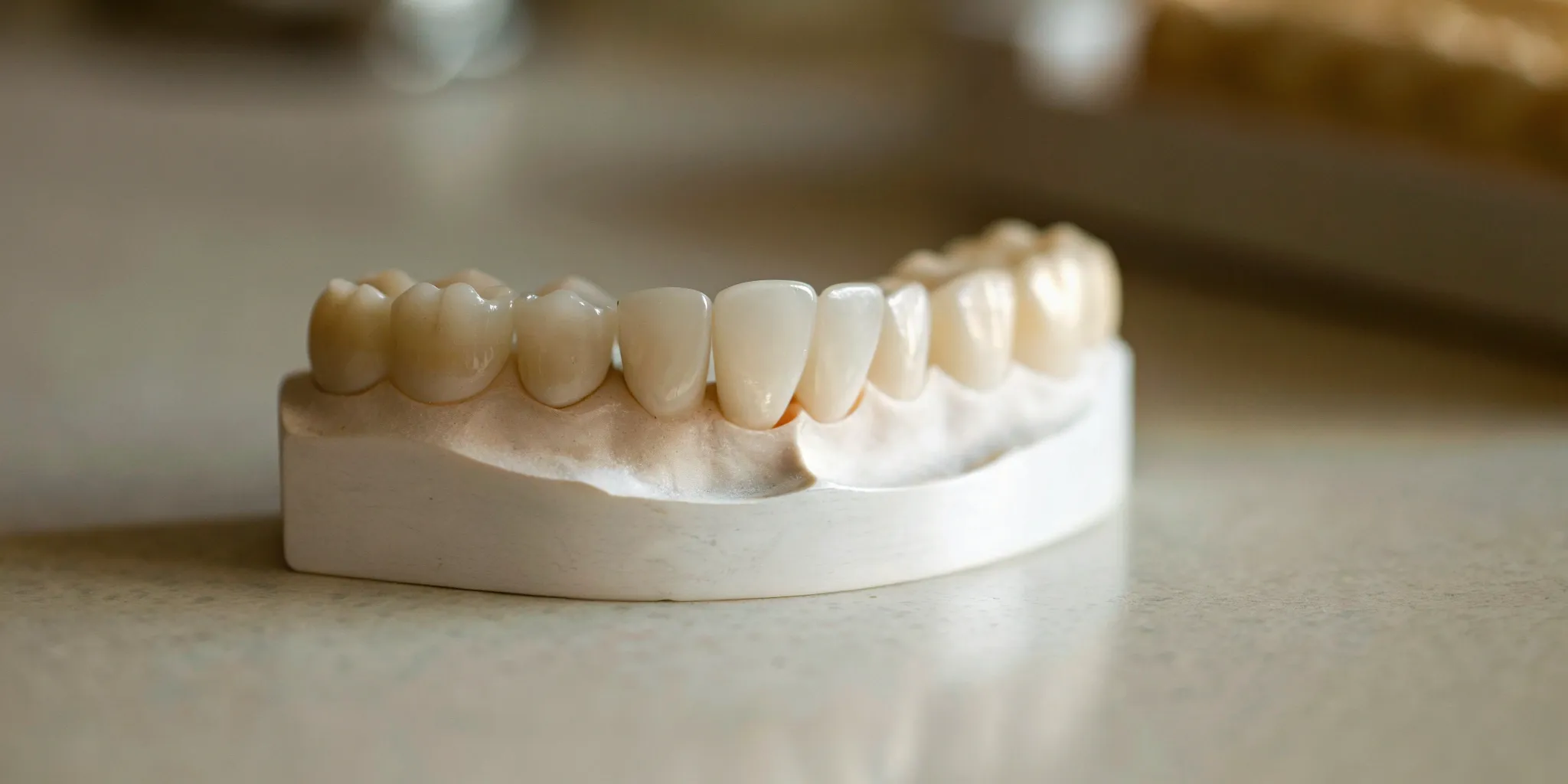
Understanding what makes up a dental implant can make the whole concept feel much more approachable. It’s composed of three key parts that work together to create a seamless replacement tooth. First is the implant itself—the titanium post that is surgically placed into your jawbone to act as the root. Next is the abutment, which is a small connector piece that attaches to the top of the implant post. It sits right at the gum line and serves as the base for your new tooth. Finally, there’s the crown, which is the visible, tooth-shaped cap that is secured to the abutment. Each crown is custom-crafted to match the color and shape of your natural teeth.
Why Choose Implants Over Other Options?
When it comes to replacing missing teeth, you have a few options, like dentures or bridges. While those can be effective, dental implants offer unique, long-lasting advantages. Unlike dentures, implants are permanent and won’t slip or click when you talk or eat. And unlike a traditional bridge, an implant doesn’t require altering the adjacent healthy teeth. While the initial investment for implants can be higher, their durability and functionality often make them the most cost-effective solution over time. They are designed to last a lifetime with proper care, making them a key part of any cosmetic dentistry plan focused on lasting results.
Are You a Good Candidate for Implants?
Most people with one or more missing teeth are good candidates for dental implants, but a few factors need to be considered. The ideal candidate has healthy gums and sufficient jawbone density to support the implant. However, even if you’ve experienced bone loss, procedures like bone grafting can often make implants possible. Your overall health is also important. During your initial consultation, we’ll perform a thorough evaluation, including digital imaging, to assess your mouth and jaw. We’ll discuss your health history, talk through your goals, and develop a customized treatment plan for your smile makeover. This first meeting is all about determining if implants are the right fit for you.
The Dental Implant Process, Step by Step
Thinking about dental implants can feel like a big step, but the process is more straightforward than you might imagine. It’s a journey we take together, broken down into clear, manageable phases. From our first chat to the final placement of your new tooth, our team is here to guide you and make sure you’re comfortable and informed. The goal is to create a healthy, permanent foundation for your smile that looks and feels completely natural. Let’s walk through what you can expect at every stage.
Your First Consultation
Your journey begins with a simple conversation. During your dental implant consultation, our team will take the time to get to know you and your smile goals. We’ll perform a thorough evaluation of your mouth, which includes digital X-rays or 3D imaging to assess your jawbone health. This allows us to develop a customized treatment plan just for you. We’ll discuss all your options, answer every question you have, and map out the entire process, including the timeline and costs. This initial meeting is all about making sure you feel confident and clear about the path ahead.
How to Prepare for Your Procedure
Once your treatment plan is set, we’ll help you get ready for your procedure. Our team will provide you with a detailed set of pre-operative instructions to ensure everything goes smoothly. This might include guidance on eating or drinking before your appointment and any necessary medication adjustments. We also recommend arranging for someone to drive you home, as you’ll be recovering from sedation. Taking a little time to prepare your home with soft foods and a comfortable place to rest can make your recovery that much easier. Understanding the care needed helps your new implants become a strong, lasting part of your smile.
What Happens During the Implant Procedure
Many people are surprised to learn that the implant placement procedure is significantly easier than they expect. Your comfort is our top priority. We’ll start by completely numbing the area, and we also offer sedation options to help you relax. The procedure involves placing a small, biocompatible titanium post into your jawbone, which acts as a new root for your tooth. The process is precise, efficient, and performed by our experienced oral surgery team. You’ll be in great hands from start to finish, and we’ll make sure you feel at ease throughout the entire appointment.
Your Recovery and Healing Timeline
After your implant is placed, your body begins a natural healing process called osseointegration, where the jawbone fuses with the titanium post. This creates an incredibly strong and stable foundation. Most patients report that the recovery is no more uncomfortable than a simple tooth extraction. You can expect some mild swelling or tenderness, which is easily managed with over-the-counter pain relievers and a cold compress. We’ll send you home with clear aftercare instructions, including recommendations for a soft-food diet for a few days. This healing phase typically takes a few months, and we’ll monitor your progress closely.
How to Care for Your New Implants
One of the best things about dental implants is how easy they are to maintain. Caring for them is remarkably similar to maintaining your natural teeth. A solid routine of twice-daily brushing, daily flossing, and regular visits for cleanings and check-ups is all it takes to keep your implant and the surrounding gums healthy. There are no special creams or adhesives to worry about. With consistent general dentistry care, your dental implants are designed to last a lifetime, giving you a permanent, worry-free solution for a complete and confident smile.
Breaking Down the Cost of Dental Implants
Let’s talk about one of the biggest questions on everyone’s mind: the cost. It’s true that dental implants are an investment in your oral health. While the upfront price is typically higher than options like dentures or bridges, it’s important to think about the long-term value. Implants are designed to last a lifetime with proper care, which often makes them the most cost-effective solution over time.
Understanding the price tag helps you plan and feel confident in your decision. The final cost isn’t just a single number; it’s a combination of several factors, from the specifics of your procedure to the materials used. We believe in being completely transparent about pricing, so you can make an informed choice for your smile without any surprises. At Pearl Dental Group, we’ll walk you through every detail so you know exactly what to expect.
How Much Do Implants Cost in Baton Rouge?
Pinpointing an exact price for dental implants without a consultation is tricky because every patient’s needs are unique. The cost can vary significantly based on how many teeth you’re replacing. A single-tooth implant will have a different price point than a full-arch restoration, which replaces an entire row of teeth. Think of it less like a one-size-fits-all product and more like a custom treatment plan designed just for you.
The best way to get a clear and accurate estimate is to schedule a consultation. During this visit, we can perform a thorough examination, discuss your goals, and create a detailed treatment plan that outlines all the associated costs. This gives you a precise number to work with as you plan for your new smile.
What Influences the Final Price?
Several key elements contribute to the total cost of your dental implants. The complexity of your case is a major factor; for example, if you need a bone graft to create a stable foundation for the implant, that will be an additional procedure. The number of implants you receive and the type of materials used for your final crown or bridge also play a significant role.
Finally, the expertise of the dental team and the technology they use are built into the cost. Investing in a practice with advanced imaging and experienced surgeons ensures your procedure is done correctly and with lasting results. While other options might seem cheaper initially, the durability and function of implants provide unmatched long-term value.
Does Insurance Cover Dental Implants?
This is a very common and important question. Dental insurance coverage for implants varies widely from one plan to another. Historically, many insurance companies considered implants a cosmetic procedure and didn’t offer coverage. However, as implants have become the standard of care for tooth replacement, more plans are starting to cover at least a portion of the cost.
We always recommend you check directly with your insurance provider to understand the specifics of your benefits. Our team is also here to help. We can assist you in reviewing your policy and submitting the necessary paperwork to maximize any coverage you may have. Don’t let uncertainty about insurance stop you from exploring your options.
Your Financing and Payment Options
We believe that a healthy, confident smile should be within reach for everyone. To make the investment more manageable, we offer several financing and payment options. Many patients choose to work with third-party financing companies like CareCredit, which offer low- or no-interest payment plans that allow you to spread the cost over several months or years.
During your consultation, our patient coordinator will be happy to walk you through all the available options. We can help you find a plan that fits comfortably within your budget, so you can move forward with treatment without financial stress. Our goal is to handle the financial details so you can focus on the exciting results ahead.
Planning for Any Additional Costs
A successful dental implant procedure sometimes requires a few preparatory steps, and it’s important to factor these into your budget. For instance, if the tooth being replaced needs to be extracted first, that is a separate procedure. Similarly, if you lack sufficient bone density in your jaw, an oral surgery procedure like a bone graft may be necessary to ensure the implant has a solid foundation.
Other potential costs include diagnostic imaging, like 3D CT scans, which give us a detailed view of your oral structures for precise planning. The good news is that none of this will be a surprise. Your comprehensive treatment plan will clearly itemize every step and its associated cost, giving you a full picture of the investment from the very beginning.
How to Choose the Right Implant Dentist
Choosing the right dentist for your implants is just as important as the procedure itself. This is the person you’ll be trusting with your smile and your health, so you want to find a true partner in your care. The right provider will not only have the technical skills but will also make you feel comfortable, heard, and confident throughout the entire process. Think of it as building a team for your oral health—you want to pick the best player.
Your goal is to find a dental practice that combines extensive experience with a patient-focused approach. Look for a team that is transparent about the process, from the initial consultation to the final placement and aftercare. They should be willing to answer all your questions without making you feel rushed. A great implant dentist understands that this is a significant decision and will provide the guidance and support you need to move forward with clarity and peace of mind. At Pearl Dental Group, we pride ourselves on our comprehensive approach to implant dentistry, ensuring every patient receives personalized and expert care.
What to Look For in a Provider
When you’re evaluating a potential dentist, experience is a top priority. You want someone who has successfully placed many implants and is deeply familiar with the nuances of the procedure. Don’t be shy about asking how long they’ve been performing implant surgery and how many procedures they complete in a typical year. It’s also a good idea to ask about their specific training in implantology. Look for dentists who have completed post-graduate training or are members of professional organizations focused on implant dentistry. This demonstrates a commitment to their craft and to staying current with the best practices in the field.
The Importance of Modern Technology
The tools a dentist uses can make a significant difference in the outcome of your implant procedure. A practice that invests in modern technology is investing in your safety and success. For example, 3D cone-beam computed tomography (CBCT) scanners provide a detailed view of your jawbone, nerves, and sinuses, allowing for incredibly precise implant placement. This technology helps your dentist plan the surgery with a high degree of accuracy, minimizing risks and improving the final result. Digital X-rays and intraoral scanners also contribute to a more efficient and comfortable experience. When a practice uses up-to-date technology, it’s a strong sign they are dedicated to providing the highest standard of care.
Questions to Ask at Your Consultation
Your consultation is your opportunity to gather all the information you need to make a confident decision. Come prepared with a list of questions to ensure you cover all your bases. A good dentist will welcome your questions and provide clear, thorough answers.
Here are a few key questions to ask:
- Am I a good candidate for dental implants, and why?
- What does my personalized treatment plan involve?
- What type of implant and materials do you recommend for my situation?
- What are the potential risks or complications I should be aware of?
- Can you walk me through the entire process, including the timeline?
- What is the total cost, and what are my payment options?
This conversation will help you understand the proposed smile makeover and ensure you and your dentist are on the same page.
Red Flags to Watch Out For
As you search for the right provider, it’s helpful to know what to avoid. Be cautious of any practice that uses high-pressure sales tactics or pushes you to make a decision on the spot. This is a major medical procedure, and you should feel empowered to take your time. Another red flag is vague or confusing pricing. A trustworthy office will provide a detailed breakdown of all costs involved so there are no surprises. Finally, if a dentist rushes through your consultation or dismisses your concerns, they may not be the right partner for your journey. You deserve a provider who listens carefully and respects your input.
Understanding Treatment Guarantees
Dental implants are a significant investment in your long-term health, so it’s fair to ask about the practice’s policies on their work. While no medical procedure can have a 100% guarantee, many reputable dentists stand by the success of their implants. Ask about their success rate and what happens in the rare event that an implant fails to integrate with the bone. Understanding their approach to follow-up care and how they handle complications can provide valuable peace of mind. A practice that is confident in its oral surgery and implant procedures will be transparent about its policies and committed to achieving a successful, lasting outcome for you.
Your Dental Implant Questions, Answered
It’s completely normal to have a list of questions when you’re considering dental implants. This is a big step toward restoring your smile, and you deserve to feel confident and informed. We hear these questions all the time, so we’ve gathered the answers to some of the most common ones right here. Let’s walk through them together.
Will It Hurt? A Look at Pain Management
This is often the very first question people ask, and it’s a valid concern. The short answer is: the procedure itself is not painful. Many patients worry that implant placement will hurt, but modern techniques and effective local anesthesia make the process very manageable. You won’t feel any pain during the surgery. Afterward, it’s normal to experience some mild discomfort, similar to other dental procedures. This is usually well-controlled with over-the-counter pain medication and subsides within a few days. Our team will give you detailed aftercare instructions to ensure your recovery is as smooth and comfortable as possible.
How Long Do Dental Implants Last?
One of the biggest advantages of dental implants is their incredible durability. They are designed to be a permanent solution for missing teeth. With proper care, your dental implant can last a lifetime, making it a worthwhile investment in your long-term oral health. Unlike dentures or bridges, which may need to be replaced every 5 to 15 years, implants fuse with your jawbone to become a stable, lasting part of your smile. This longevity depends on good oral hygiene, so maintaining your regular general dentistry check-ups and cleanings is key. Think of it as protecting your investment for decades of confident smiles.
What If I Don’t Have Enough Bone?
For an implant to be successful, it needs a solid foundation of bone to anchor into. If you’ve had a missing tooth for a while, you may have experienced some bone loss in that area. But don’t worry—this doesn’t automatically disqualify you. If you require a bone graft, this is a common oral surgery procedure that can help build up the bone before implants can be placed. It involves adding bone material to your jaw to create a sturdy base for the implant. During your consultation, we’ll use advanced imaging to assess your bone density and determine if this simple, effective step is needed for you.
Tips for Managing Dental Anxiety
Feeling anxious about a dental procedure is incredibly common, so please know you’re not alone. The most important step is to talk to us about it. Discuss your concerns with your dentist; they can provide options to help you feel more comfortable. We are here to listen and create a stress-free experience for you. At Pearl Dental Group, we offer several solutions, including sedation dentistry, which allows you to be completely relaxed and at ease during your appointment. From explaining every step of the process to providing noise-canceling headphones, we’ll do whatever we can to support you. Your comfort is our top priority.
Simple Aftercare for a Smooth Recovery
You might be surprised to learn how straightforward it is to care for your new implants. Caring for dental implants is remarkably similar to maintaining natural teeth. There are no special creams, adhesives, or soaking solutions required. Your daily routine will simply include regular brushing, flossing, and attending your scheduled dental check-ups. This simple maintenance is all it takes to keep your implant, crown, and gums healthy for years to come. We’ll provide you with specific instructions after your procedure, but the long-term care is as easy as looking after the rest of your beautiful smile.
Related Articles
- How to Find the Best Implant Dentist Near Me
- Full Mouth Dental Implants: Cost, Process & More
- Best Dental Implants Near Me: The Ultimate Guide
- Your Guide to Dental Implants in Metairie
- Are Dental Implants Safe, Painful, or Worth It? Full Guide
Frequently Asked Questions
How long does the entire dental implant process take from start to finish? The total timeline for dental implants can vary quite a bit from person to person, typically ranging from three to nine months. The main factor is the time your body needs for the implant to fuse with your jawbone, a process that ensures a strong foundation. If you need a preliminary procedure like a bone graft, that will add a few months to the overall timeline. During your consultation, we can map out a personalized schedule so you know exactly what to expect for your specific case.
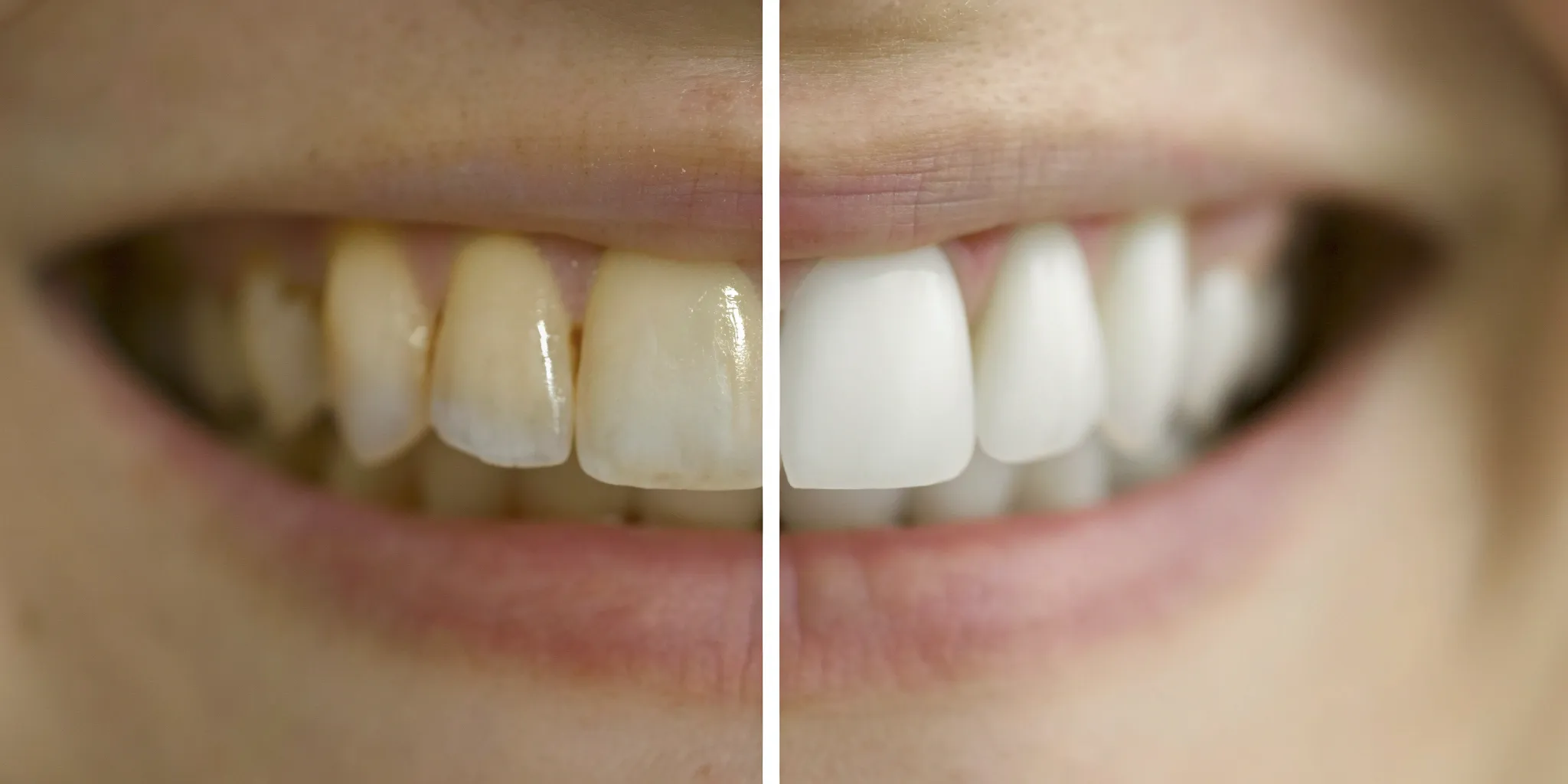
Will my new implant tooth look and feel natural? Absolutely. This is one of the greatest benefits of choosing dental implants. The final crown is custom-designed to match the exact shade, shape, and size of your surrounding teeth, so it blends in seamlessly with your smile. Because the implant is anchored in your jawbone just like a natural root, it also feels incredibly stable and secure. You’ll be able to eat, speak, and smile with complete confidence, and most people forget they even have an implant.
Can I get an implant on the same day a tooth is pulled? In some situations, yes, it is possible to place a dental implant immediately after a tooth is extracted. This is often called an “immediate implant.” However, this approach isn’t suitable for everyone. It depends on having sufficient healthy bone at the extraction site and no signs of infection. We will determine if you are a good candidate for this streamlined process during your initial evaluation.
What can I eat in the days following my implant surgery? For the first few days after your procedure, you’ll want to stick to a soft-food diet to protect the healing area. Think of things like smoothies, yogurt, applesauce, mashed potatoes, and soups. It’s important to avoid hard, crunchy, or sticky foods that could irritate the surgical site. We will provide you with a detailed list of recommendations to make your recovery as comfortable and smooth as possible.
If I’m missing several teeth in a row, do I need an implant for each one? Not necessarily. You don’t always need a one-to-one replacement. For patients missing several teeth in a row, an implant-supported bridge is an excellent option. This involves placing two implants to serve as anchors for a bridge that fills the entire gap. For those missing all of their teeth, a full-arch restoration can replace an entire set of teeth using just a few strategically placed implants.