






A missing tooth can affect more than just your ability to chew; it can change how you feel when you smile, laugh, or speak. A dental implant is the gold-standard solution because it looks, feels, and functions just like a natural tooth, restoring your confidence from the inside out. Naturally, a premium solution brings up questions about its price. Understanding the cost of a single tooth implant is a crucial part of deciding if it’s the right path for you. This article is designed to help you see beyond the initial number and understand the incredible value it represents—from protecting your long-term oral health to restoring your quality of life.
Key Takeaways
- Think long-term about the cost: While a dental implant has a higher upfront price than alternatives, it’s often the most cost-effective choice over your lifetime. You’re paying once for a permanent solution, avoiding the recurring replacement costs of bridges or dentures.
- An implant protects your overall oral health: Beyond just filling a gap, an implant is the only tooth replacement option that fuses with your jawbone. This prevents bone loss, keeps adjacent teeth from shifting, and preserves your facial structure.
- Your dentist’s experience is crucial for success: The outcome of your implant depends heavily on the skill of your dental team. Be sure to ask about their specific training, look at their past work, and ensure you receive a clear, detailed treatment plan before committing.
What is a Single Tooth Implant?
If you’re missing a tooth, you’ve probably heard about dental implants as a potential solution. But what exactly are they? Think of a dental implant as a brand-new, permanent root for your tooth. It’s a small, screw-like post, typically made from biocompatible titanium, that is surgically placed into your jawbone where the original tooth used to be. This sturdy post acts as an anchor, creating a solid foundation for a replacement tooth.
Unlike other options that just sit on the surface, a dental implant becomes a part of your jaw, offering a level of stability and function that’s the next best thing to a natural tooth. It’s a complete, three-part system designed to fully restore your smile from the root up. This approach not only fills the gap but also supports your overall oral health in ways other treatments can’t. Let’s break down exactly how it works.
The Anatomy of a Dental Implant
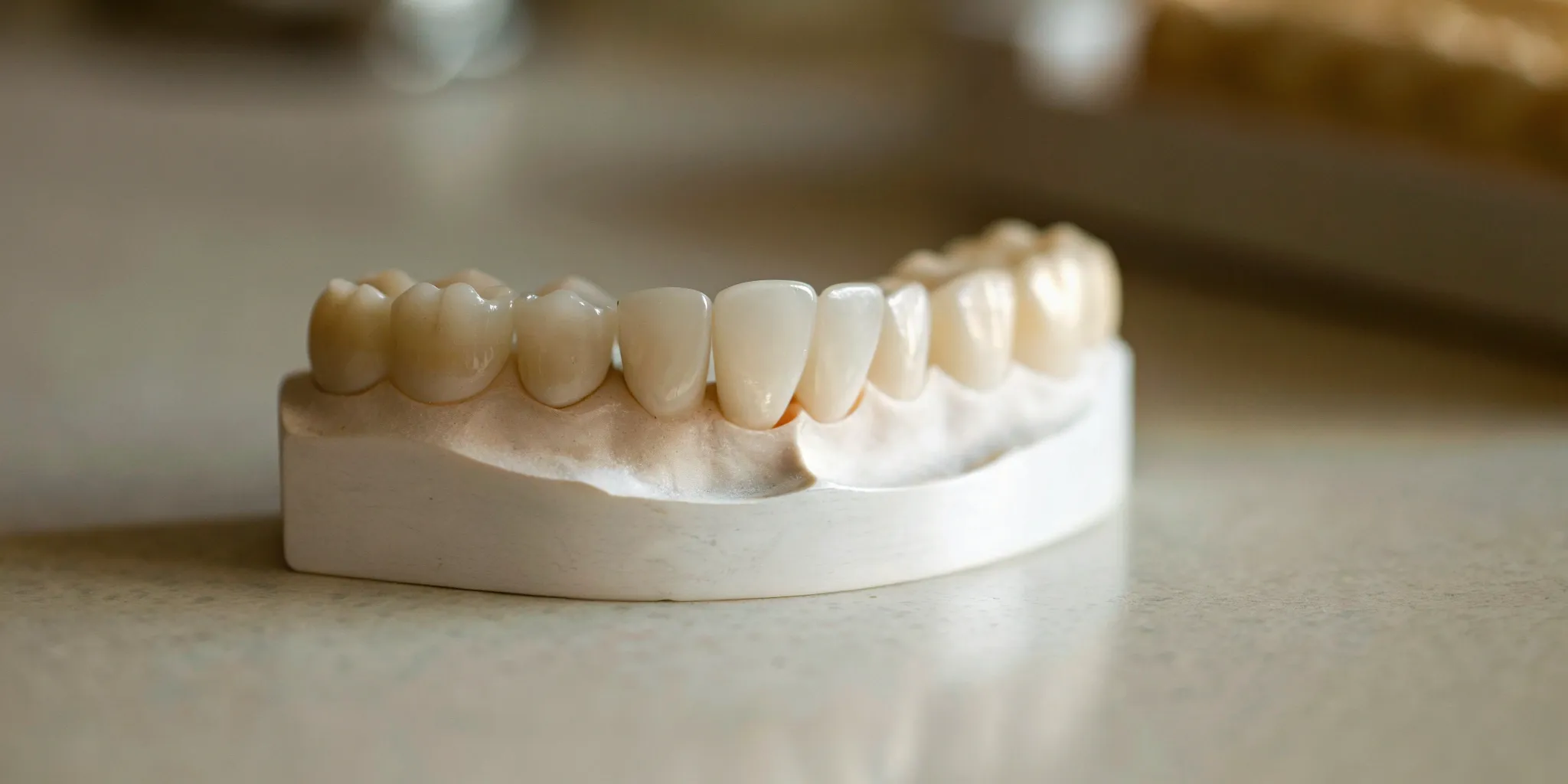
A single tooth implant isn’t just one piece; it’s made of three key parts working together to create a seamless replacement. First is the implant itself—the titanium post that is placed in your jawbone. This is the foundational piece that fuses with the bone, a process called osseointegration, to create an incredibly strong base. Next is the abutment, which is a small connector piece that gets attached to the top of the implant post once it has healed. The abutment sits right at the gumline and serves as the docking station for your new tooth. Finally, the crown is placed on top. This is the visible, tooth-shaped part that is custom-made to match the color, shape, and size of your surrounding teeth, giving you a natural-looking result.
The Implant Process, Step by Step
Getting a dental implant is a multi-step process that happens over a few months, ensuring a durable and lasting outcome. It all starts with a consultation where your dentist evaluates your oral health and jawbone density to confirm you’re a good candidate. Next comes the placement surgery, where the implant post is carefully placed into your jawbone. This is a common oral surgery procedure done with anesthesia to keep you comfortable. After this, your jaw needs time to heal and fuse with the implant, which can take a few months. Once your jaw has fully healed, you’ll return to have the abutment and the final, custom-made crown attached, completing your new tooth and restoring your smile.
The Real-Life Impact of a New Tooth
A dental implant is more than just a cosmetic fix; it’s a long-term investment in your health and confidence. Because the implant fuses with your jawbone, it helps prevent the bone loss that naturally occurs when a tooth is missing. This protects your facial structure and keeps adjacent teeth from shifting out of place. You’ll be able to eat, speak, and laugh with total confidence, as an implant looks and feels just like a natural tooth. While the implant post is designed to last a lifetime, the crown on top may need to be replaced every 10 to 15 years due to normal wear. For many, it’s a key part of a full smile makeover that truly restores quality of life.
What Does a Single Tooth Implant Cost?
Let’s talk about the elephant in the room: the price tag. When you’re considering a dental implant, the cost is likely one of your biggest questions. The truth is, there isn’t a single, one-size-fits-all answer. The final price depends on your specific needs, your location, and the details of your treatment plan. But don’t worry—we can break down the numbers so you know what to expect. Think of it less as a simple purchase and more as a long-term investment in your health, confidence, and quality of life. Understanding the costs involved is the first step toward making a smart, informed decision for your smile.
The National Average for a Single Implant
When you start looking into the cost of a single tooth implant, you’ll see a lot of different numbers. Research from sources like CareCredit shows the national average cost for the implant itself is around $2,143, with a typical range between $1,646 and $4,157. It’s helpful to see these figures as a starting point. This number generally refers to the surgical placement of the implant post—the part that goes into your jawbone. It doesn’t always include the other essential pieces, like the connecting abutment and the final crown. We’ll get into those parts in a bit, but for now, just know that this average gives you a solid baseline for what the foundational piece of your new tooth might cost.
How Location Affects the Price Tag
You know how a cup of coffee costs more in a big city than in a small town? The same principle applies to dental work. The cost of living, local market rates, and even the rent on a dental office can influence the final price of your implant. For example, the average cost for an implant in a state like Hawaii is significantly higher than in Alabama. Here in Baton Rouge, our local economy shapes the prices for dental services. The only way to get a truly accurate number for your situation is to come in for a consultation. This allows us to create a personalized treatment plan and give you a precise quote based on your unique needs, not just a national or state average.
Where Does the Money Go? A Cost Breakdown
So, what are you actually paying for? A single tooth implant is a three-part system. The total price typically includes the implant post (the titanium screw that acts as a root), the abutment (a small connector piece), and the custom-made crown (the part that looks like a real tooth). When you see estimates between $3,000 and $7,000, it’s usually for this complete package. Each component is expertly crafted from high-quality, biocompatible materials designed to last for decades. You’re not just paying for the materials; you’re also investing in the skill and precision of the dental team responsible for placing and restoring your new tooth for a perfect fit and a natural look.
Potential Additional Costs to Plan For
Sometimes, your mouth needs a little prep work before it’s ready for an implant. These preparatory steps are essential for ensuring the long-term success of your new tooth and will be added to your total treatment cost. For instance, if the tooth being replaced is still in place, you’ll need an extraction. If your jawbone isn’t dense enough to support the implant, a bone graft might be necessary, which can add around $600 to the bill. Your initial consultation, complete with detailed X-rays or 3D CT scans, is also a factor, often ranging from $200 to $450. We’ll outline every potential cost upfront so there are no surprises along the way.
What Factors Influence the Final Cost?
When you see a price range for a dental implant, it’s helpful to know what pushes the cost to the lower or higher end of that spectrum. The final number on your treatment plan isn’t arbitrary; it’s a reflection of your unique dental needs and the specific materials and procedures required to give you a lasting, healthy smile. Several key factors come together to determine your total investment, from the type of implant used to any prep work needed to ensure the best possible outcome.
Implant Materials and Quality
Not all dental implants are created equal. The material used for the implant post is a major factor in the overall cost. Most implants are made from titanium, a biocompatible metal that has been the industry standard for decades due to its strength and proven success rate. A newer alternative is zirconia, a ceramic material that is white like a natural tooth root. While zirconia can be a great option for people with metal allergies or sensitivities, these implants tend to be more expensive. We can discuss which material is the best fit for your health needs and budget during your consultation for dental implants.
Your Dentist’s Expertise and Location
The cost of living in a particular area can influence dental pricing, but more importantly, so does the skill of your dentist. Placing a dental implant is a highly technical surgical procedure that requires advanced training and experience. A seasoned implant dentist or oral surgeon may have a higher fee, but you’re paying for their expertise, precision, and ability to handle complex cases. Investing in a qualified professional significantly reduces the risk of complications and ensures your new tooth is placed correctly for long-term success. This is why choosing a team with extensive oral surgery experience is so important.
The Cost of Prep Work (Like Bone Grafts)
Your mouth needs to be a healthy and stable environment before an implant can be placed. If you have underlying issues, they must be addressed first, which will add to the total cost. For example, if the tooth being replaced needs to be extracted, that’s a separate procedure. You might also need treatment for gum disease to ensure your gums are healthy enough to support an implant. One of the most common preparatory procedures is a bone graft, which is necessary if you’ve lost bone density in your jaw. This creates a solid foundation for the implant post. Addressing periodontal health is a critical first step.
Diagnostic Scans and X-Rays
Before any work begins, your dentist needs a complete picture of what’s happening inside your mouth. Your initial consultation will include a thorough examination and detailed imaging, like X-rays or a cone-beam computed tomography (CBCT) scan. These diagnostics are essential for planning your treatment. They allow your dentist to assess the health of your jawbone, map out the precise placement of the implant, and identify any potential obstacles. While these scans have a cost, they are a non-negotiable part of ensuring your implant procedure is safe and successful. These initial steps are a key part of our general dentistry services.
Your Sedation and Comfort Options
Your comfort during the procedure is a top priority, and you have options when it comes to anesthesia. The type of sedation you choose will affect the final cost. A local anesthetic that just numbs the area is the most basic and least expensive option. However, many patients prefer a deeper level of sedation to help them relax or even sleep through the procedure. Options like nitrous oxide (laughing gas) or IV sedation are managed by trained professionals and come with an additional cost. We can walk you through the different types of sedation dentistry to find the one that makes you feel most at ease.
How to Pay for Your Dental Implant
Thinking about the cost of a dental implant is a practical and important step. The good news is that a healthy, confident smile is more accessible than you might think. While the final price tag is an investment, there are several straightforward ways to manage the cost, making your new tooth a reality without breaking the bank. Let’s walk through the most common options so you can create a financial plan that works for you.
Will My Dental Insurance Cover an Implant?
This is usually the first question on everyone’s mind, and the answer can be a bit complicated. Many dental insurance plans classify dental implants as a cosmetic procedure, which means they may not cover the full cost. However, some plans will contribute to certain parts of the process, like the crown that sits on top of the implant post.
The best thing you can do is call your insurance provider directly to get a clear picture of your benefits. Ask them specifically about coverage for single-tooth implants and related procedures. Our team is also happy to help you understand your coverage and submit claims on your behalf to maximize your benefits.
Exploring Financing and Payment Plans
If your insurance leaves a gap in coverage, your next best step is to explore financing. Most dental practices understand that patients need flexible ways to pay for significant treatments and offer in-house payment plans or work with third-party financing companies. These options allow you to break down the total cost into manageable monthly payments that fit your budget, so you don’t have to pay for everything at once.
This is a very common and helpful way to make your treatment happen without delay. During your consultation, we can walk you through the simple application process and find a plan with terms that you feel comfortable with. Your oral health is too important to put on hold because of upfront cost concerns.
Using Your FSA or HSA to Pay
Do you have a Flexible Spending Account (FSA) or Health Savings Account (HSA) through your employer? If so, you have a fantastic tool at your disposal. These accounts let you set aside pre-tax money specifically for healthcare expenses, and dental implants are almost always a qualified expense. Using these funds is a smart financial move because you’re paying with money that hasn’t been taxed, which can reduce your overall out-of-pocket cost significantly.
Before your procedure, check your account balance and the rules for your specific plan. Using your FSA or HSA is a simple way to make your dollars stretch further for essential dental care.
Smart Ways to Lower the Cost
If you’re looking for other ways to make your implant more affordable, there are a few other avenues to consider. Dental schools and community clinics sometimes offer procedures at a reduced price because they operate as training facilities for students under the close supervision of experienced dentists. Additionally, non-profit organizations can provide free, comprehensive dental care for individuals who meet specific eligibility requirements.
While these can be great options, it’s important to remember that a dental implant is a long-term investment in your health. Ensuring you receive high-quality materials and care from an experienced provider is key to a successful smile makeover that lasts for decades.
What Are the Alternatives to a Dental Implant?
While a dental implant is an incredible, long-term solution for a missing tooth, it’s not the only option on the table. Your smile, budget, and overall health are unique, so it’s important to understand the other paths you can take. The best choice is always the one that feels right for you. Exploring alternatives like dental bridges and partial dentures can help you make a confident decision about your oral health. Each comes with its own set of benefits and considerations, from the procedure itself to the long-term cost and care. Let’s walk through what each alternative looks like so you can have an informed conversation with your dentist.
Dental Bridge vs. Implant
Think of a dental bridge as a way to literally “bridge” the gap left by a missing tooth. It’s made of one or more false teeth, called pontics, that are held in place by crowns attached to the healthy teeth on either side of the gap. A bridge can be a great way to restore your smile’s appearance and function. The main drawback is that your dentist will need to file down the adjacent healthy teeth to fit the crowns, which is something to consider carefully. Bridges typically last up to 15 years before they may need to be replaced, and they are a common part of cosmetic dentistry.
Partial Denture vs. Implant
A partial denture is a removable appliance designed to replace one or more missing teeth. It usually consists of replacement teeth attached to a gum-colored plastic base, which may be connected by a metal framework that holds the denture in place. The biggest advantages of a partial denture are its lower upfront cost and the fact that it doesn’t require surgery. However, because it’s removable, it may not feel as stable or natural as a fixed implant or bridge. You’ll also need to take it out for regular cleaning. For many, it’s a practical and affordable choice offered under general dentistry services.
Comparing the Long-Term Costs
When you look at the numbers, it’s important to think beyond the initial price tag. While a dental implant often has the highest upfront cost, it’s frequently the most cost-effective solution over a lifetime. That’s because an implant is designed to be a permanent fixture. In contrast, bridges and dentures typically need to be replaced every 10 to 15 years. When you add up the costs of replacement procedures over several decades, the “cheaper” alternatives can end up costing more in the long run. An implant is a one-time investment in a solution that’s built to last.
Durability and Upkeep for Each Option
How you care for your tooth replacement is just as important as the option you choose. A dental implant is incredibly durable and, with proper care, can last a lifetime. The best part? You care for it just like a natural tooth—with regular brushing and flossing. A bridge requires a bit of extra attention, as you’ll need to clean underneath the false tooth to prevent plaque buildup. Dentures require the most distinct upkeep, as they need to be removed daily for cleaning and soaking. Maintaining excellent gum health is vital for all of these options, which is why regular periodontic care is so important.
Why a Dental Implant is a Smart Investment
When you’re looking at the cost of a dental implant, it’s easy to focus on the number on the page. But an implant is more than just a dental procedure—it’s a long-term investment in your health, your confidence, and your quality of life. Unlike other tooth replacement options that may need to be repaired or replaced every few years, a dental implant is designed to be a permanent part of your smile. Thinking about the cost means looking at the full picture: the years of hassle-free function, the protection it offers your oral health, and the simple joy of smiling without a second thought.
A Solution That’s Built to Last
One of the biggest advantages of a dental implant is its incredible durability. The small titanium post that’s placed in your jawbone is designed to fuse with the bone, creating a solid foundation that can last a lifetime with proper care. While the crown—the part that looks like a tooth—may eventually need to be replaced due to normal wear and tear from chewing, that’s typically only after 10 to 15 years. This makes dental implants a reliable and low-maintenance solution. You can go about your life without worrying about frequent adjustments or replacements, making it a truly set-it-and-forget-it choice for a permanent smile.
Get the Look and Feel of a Natural Tooth
A dental implant is the closest you can get to growing a new tooth. Because it’s anchored directly into your jaw, it functions just like a natural tooth root. This allows you to chew your favorite foods with confidence and clean your teeth without any special instructions—just brush and floss as you normally would. A well-done implant blends in so seamlessly with your other teeth that no one will know it’s there. It restores the natural look of your smile and feels so comfortable that you might even forget which tooth was replaced. This level of comfort and normalcy is a key reason so many people find it to be the best solution.
How Implants Benefit Your Overall Oral Health
Beyond just filling a gap, a dental implant plays a crucial role in your overall oral health. When you lose a tooth, the underlying jawbone can begin to shrink from lack of use. An implant post stimulates the bone, keeping it strong and healthy. It also acts as a placeholder, preventing adjacent teeth from shifting into the empty space. This helps maintain proper teeth alignment and a healthy bite, preventing future complications. By choosing an implant, you’re not just fixing one problem; you’re investing in the long-term stability of your entire mouth and supporting your general dentistry goals.
Regain Your Confidence and Quality of Life
A missing tooth can take a toll on your self-esteem. It might cause you to hide your smile, avoid certain social situations, or feel self-conscious when you speak. A dental implant can completely change that. Restoring your smile gives you back the freedom to laugh openly, eat comfortably in front of others, and feel like yourself again. It’s a powerful transformation that goes far beyond just cosmetics. For many, getting an implant is a key step in a complete smile makeover that restores not just a tooth, but a sense of confidence that radiates through every part of their life.
How to Choose the Right Implant Dentist
Choosing the right dentist is one of the most critical parts of your implant journey. This isn’t just about finding someone qualified to place an implant; it’s about finding a partner you trust to guide you through a significant medical procedure. The right dental team will not only have the technical skills but will also make you feel comfortable, heard, and confident from your first consultation to your final follow-up.
Think of it like choosing any other specialist for your health. You want someone with a proven track record, who uses modern technology, and who takes the time to explain everything clearly. A great implant dentist will provide a detailed plan, answer all your questions without rushing, and be transparent about the entire process, including the costs. Your comfort and long-term success are their top priorities. Taking the time to find the right fit will make all the difference in your experience and your final results.
Credentials and Experience to Look For
When you start your search, focus on a dentist’s specific background in implantology. While many general dentists place implants, look for someone who has dedicated significant training to this specialty. Check their website for information about their qualifications and see if they have certifications from recognized dental organizations.
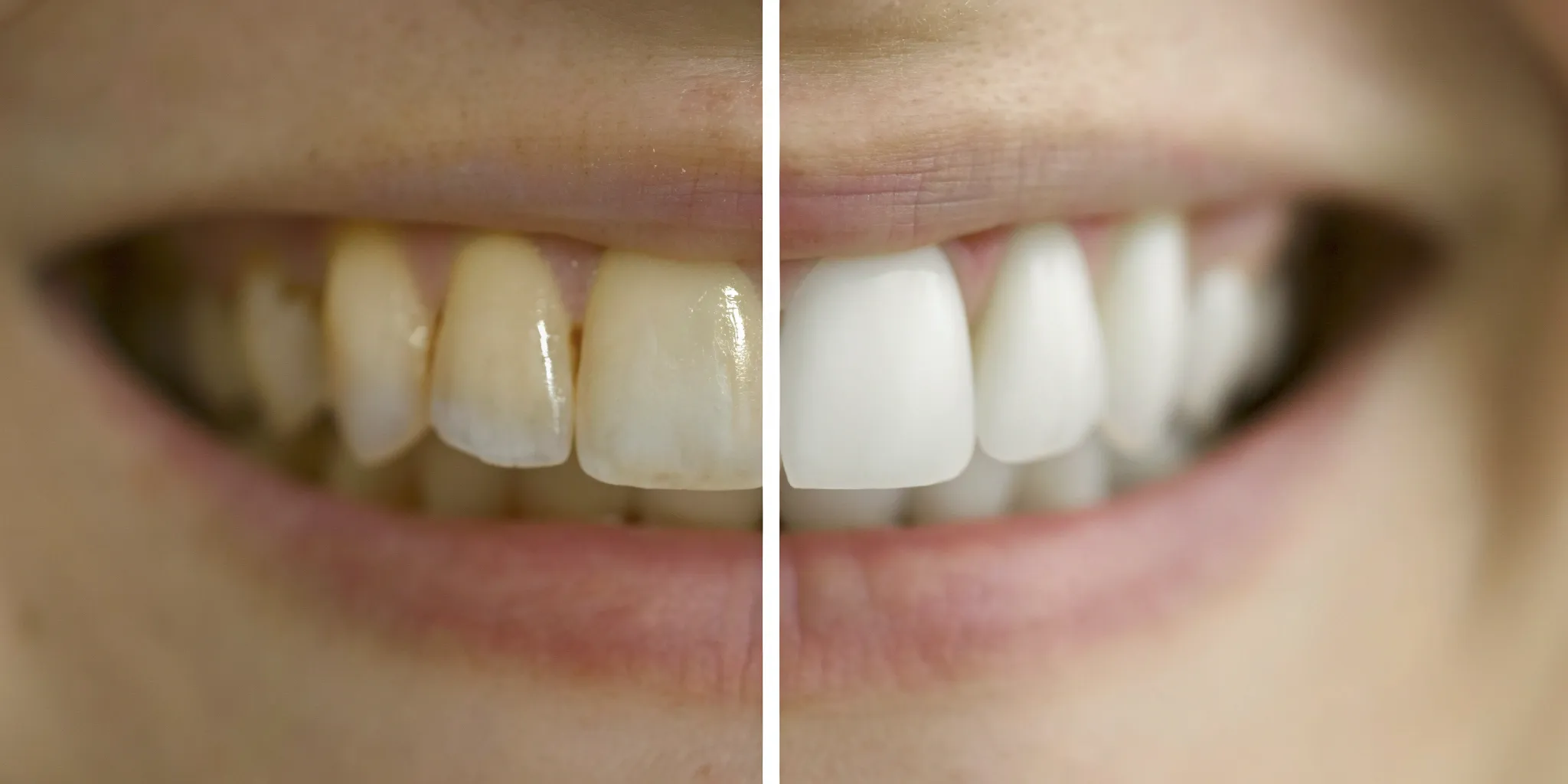
A dentist with deep experience in dental implants will have a portfolio of successful cases. Don’t be shy about looking for before-and-after photos or asking about their experience with cases similar to yours. You’re looking for a professional who not only has the credentials on paper but also has a history of creating healthy, beautiful smiles for their patients. This track record is your best indicator of the quality of care you can expect to receive.
Key Questions to Ask During Your Consultation
Your consultation is your opportunity to interview your potential dentist. Go in prepared with a list of questions to ensure you get all the information you need to make a confident decision. This is your health and your investment, so a good dentist will welcome your questions and answer them thoroughly.
Here are a few key things to ask:
- How many implant procedures have you performed?
- What is your success rate with implants?
- What technology do you use for planning and placing implants?
- What materials do you use for the implant and crown, and why?
- Can you walk me through what my specific oral surgery and recovery will look like?
Their answers should give you a clear picture of their expertise and approach.
Understanding the Treatment Plan
A great dentist will provide you with a comprehensive and easy-to-understand treatment plan. This document should be a clear roadmap of your entire implant process, leaving no room for surprises. It should detail every single step, from the initial diagnostic scans to any necessary prep work (like a bone graft) and the final placement of your new tooth.
Make sure the plan includes a timeline for each phase and a transparent breakdown of all associated costs. Your dentist should sit down with you and explain each part of the plan, ensuring you feel completely comfortable before moving forward. If you’re considering an implant as part of a larger smile makeover, the plan should show how everything fits together to achieve your goals.
What to Expect During Recovery
Knowing what to expect after your procedure can help ease any anxiety. Most people experience some mild to moderate discomfort, swelling, and bruising for a few days following implant surgery, but this is typically manageable with over-the-counter pain relievers and cold packs. Your dentist will give you specific post-operative instructions—follow them carefully to ensure a smooth and speedy recovery.
These instructions will cover everything from what to eat (soft foods are your friend!) to how to keep the surgical site clean. You’ll also be told which signs to watch for and when to call the office. If you ever have an urgent concern, you should know who to contact, which is why having access to emergency dentistry services can provide extra peace of mind.
Create Your Plan for a Dental Implant
Once you’ve decided that a dental implant is the right choice for you, the next step is to map out your journey. Thinking through the budget, timing, and preparation ahead of time makes the entire process feel much more manageable. A solid plan helps you know exactly what to expect, so you can focus on the exciting end result: a healthy, confident smile. Let’s walk through the key steps to create your personal implant plan.
Set a Realistic Budget
Let’s talk numbers. The cost of dental implants can vary quite a bit based on your specific needs. Nationally, a single implant post can average around $2,143, but that doesn’t include the custom-made crown that sits on top. The crown itself can add another $500 to $3,000 to the final price tag. It’s helpful to think of this as a long-term investment in your oral health. During your consultation, we’ll provide a detailed breakdown of all the costs involved in your treatment plan, so you’ll have a clear and accurate budget with no surprises.
Get the Most from Your Insurance Plan
Figuring out insurance can feel like a puzzle, but it’s a crucial step in planning your budget. Many dental plans have specific rules about what they cover. While some may not cover the implant post itself, they might offer partial coverage for the dental crown. The best first step is to call your insurance provider directly or let our office staff help you. We can check your benefits to see exactly what your plan contributes, ensuring you get the most from your coverage and understand any out-of-pocket costs upfront.
Decide on the Right Timing
Patience is key when it comes to the dental implant process. From your initial consultation to the final placement of your crown, the entire timeline typically takes between three and nine months. This schedule allows for the most important part of the process: healing. After the implant is placed through oral surgery, your jawbone needs time to fuse with it, creating a strong and stable foundation. We’ll map out your appointment schedule together so you know what to expect and can plan your personal and professional life accordingly.
Prepare for Your Procedure
Knowing what to expect after your implant surgery can help you have a smooth and comfortable recovery. It’s completely normal to experience some minor bleeding, swelling, bruising, or jaw stiffness for a few days. Think of it as your body’s way of healing. We’ll give you detailed aftercare instructions to follow, like sticking to soft foods and keeping the area clean. Arranging for a friend or family member to drive you home is also a good idea. Proper preparation helps you rest and recover effectively, setting you up for a successful outcome.
Related Articles
- Same Day Dental Implants & Financing | Dental Specialist Near Me | Pearl Dental Group
- Same Day Dental Implants & Financing in New Orleans, LA | Pearl Dental Group
- Same Day Dental Implants & Financing in Metairie, LA | Pearl Dental Group
- Cost of Dental Implants | Compare Fixed vs Removable Teeth in Metairie, LA
Frequently Asked Questions
Is getting a dental implant painful? This is probably the number one question I get, and it’s a completely valid concern. The procedure itself is not painful because the area will be fully numbed with a local anesthetic. We also offer several sedation options to help you feel completely relaxed and at ease during the surgery. Afterward, it’s normal to feel some discomfort and tenderness for a few days, similar to other dental procedures. Most people find that this is easily managed with over-the-counter pain medication and that they’re back to their normal routine quickly.
How long does the entire dental implant process take? Patience is a virtue with dental implants, but the result is well worth the wait. From your first consultation to the day you walk out with your final crown, the process typically takes anywhere from three to nine months. The biggest factor in this timeline is the healing period after the implant post is placed. Your jawbone needs several months to fuse with the titanium post, creating that strong, permanent foundation. We’ll give you a personalized timeline so you know exactly what to expect at every stage.
Will my new implant tooth look and feel natural? Absolutely. The goal of a dental implant is to create a replacement that is indistinguishable from your natural teeth. The crown, which is the visible part of the tooth, is custom-designed to perfectly match the color, shape, and size of your surrounding teeth. Because the implant is anchored in your jawbone just like a natural root, it also feels incredibly stable. You’ll be able to eat, speak, and smile with complete confidence, and you might even forget it’s not the tooth you were born with.
What happens if I just leave the empty space and don’t get an implant? Ignoring a missing tooth can cause more problems than you might think. That empty space isn’t just a cosmetic issue; it can affect your overall oral health. Without a tooth root to stimulate it, the jawbone in that area will begin to shrink and deteriorate. This can change your facial structure over time and weaken the support for neighboring teeth, causing them to shift and tilt into the gap. This can lead to bite problems and other complications down the road.
How do I care for my dental implant once it’s finished? This is one of the best parts about dental implants—you care for them just like you do your natural teeth. There are no special solutions to soak it in or tricky cleaning routines. Simply stick to your daily habits of brushing twice a day and flossing once a day. It’s also important to continue with your regular dental check-ups and cleanings. With this simple, consistent care, your implant post can last a lifetime.