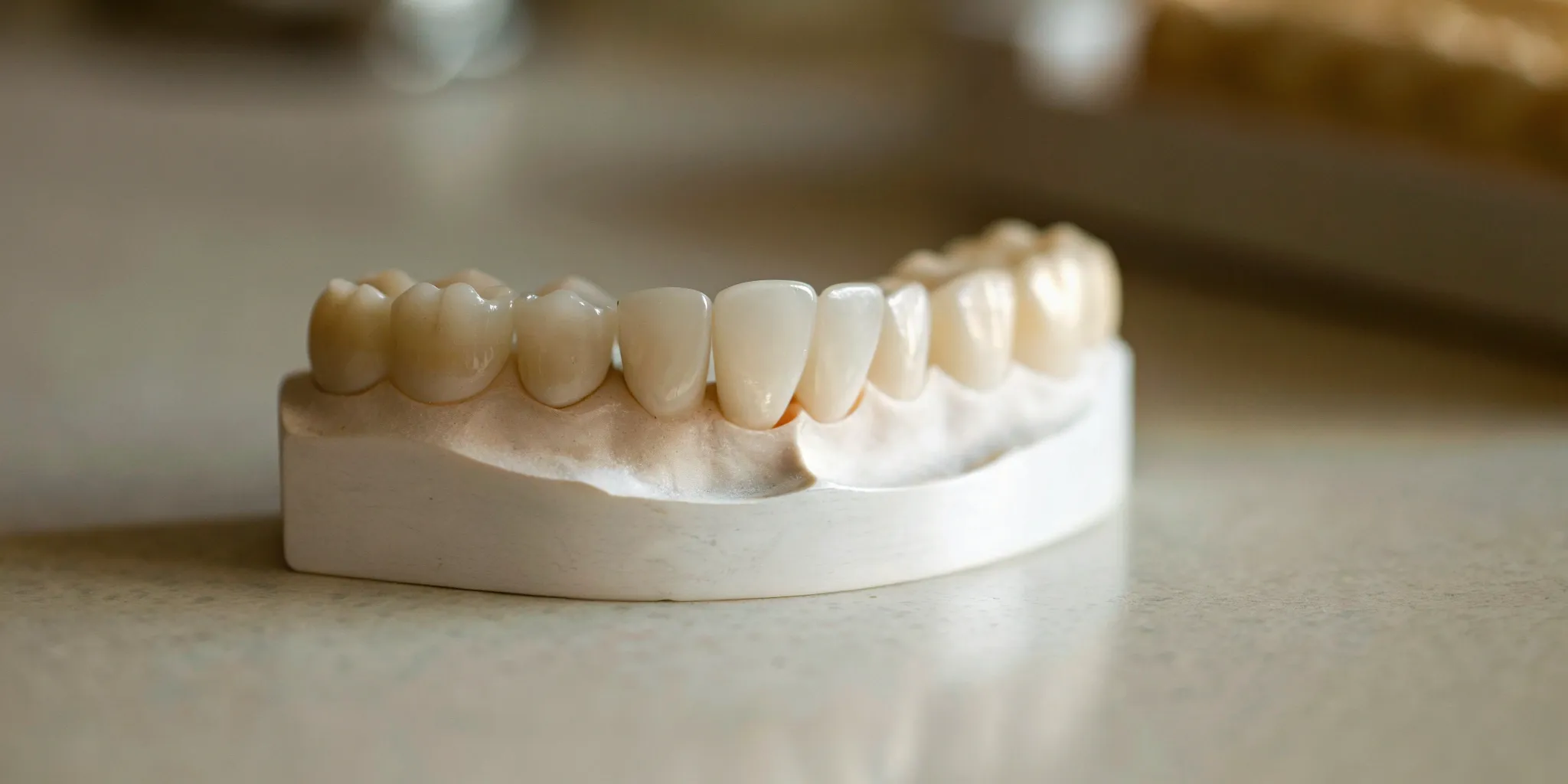







Think of getting veneers like commissioning a custom piece of art, but for your smile. They aren’t a one-size-fits-all product; each veneer is meticulously crafted to fit your unique features and aesthetic goals. This is especially true for your front teeth, where precision and artistry are essential for a natural look. So, when you start researching the 2 front teeth veneers cost, you’re really asking about the price of that custom craftsmanship. It’s an investment in quality and expertise. This guide will explain exactly what you’re paying for, exploring how material choice, your dentist’s skill, and the custom design process all come together to create a beautiful, long-lasting result for your cosmetic dentistry journey.
Key Takeaways
- Understand What Drives the Cost: The final price for veneers is shaped by your choice of material (like durable porcelain or affordable composite), the dentist’s expertise, and any prep work needed to ensure your smile is healthy before the procedure.
- Choosing the Right Dentist is Your Most Important Decision: Your veneer journey is a collaborative process, so look for a cosmetic dentist with a strong portfolio, ask detailed questions during your consultation, and make sure you feel comfortable with their plan for your smile.
- Protect Your Investment and Know Your Options: You can keep your veneers beautiful for over a decade with simple daily care and regular check-ups, but it’s also smart to know that alternatives like bonding or crowns might be a better solution for your specific goals.
What Are Front Teeth Veneers?
If you’ve ever found yourself wishing for a do-over for your front teeth, veneers might be the solution you’re looking for. They are one of the most popular and effective ways to achieve a dramatic smile transformation, especially when you’re dealing with just one or two teeth that don’t quite match the rest. Veneers can correct a variety of minor imperfections, giving you a polished, confident smile. Let’s walk through what they are, the different types available, and clear up some common questions you might have.
The Basics of Dental Veneers
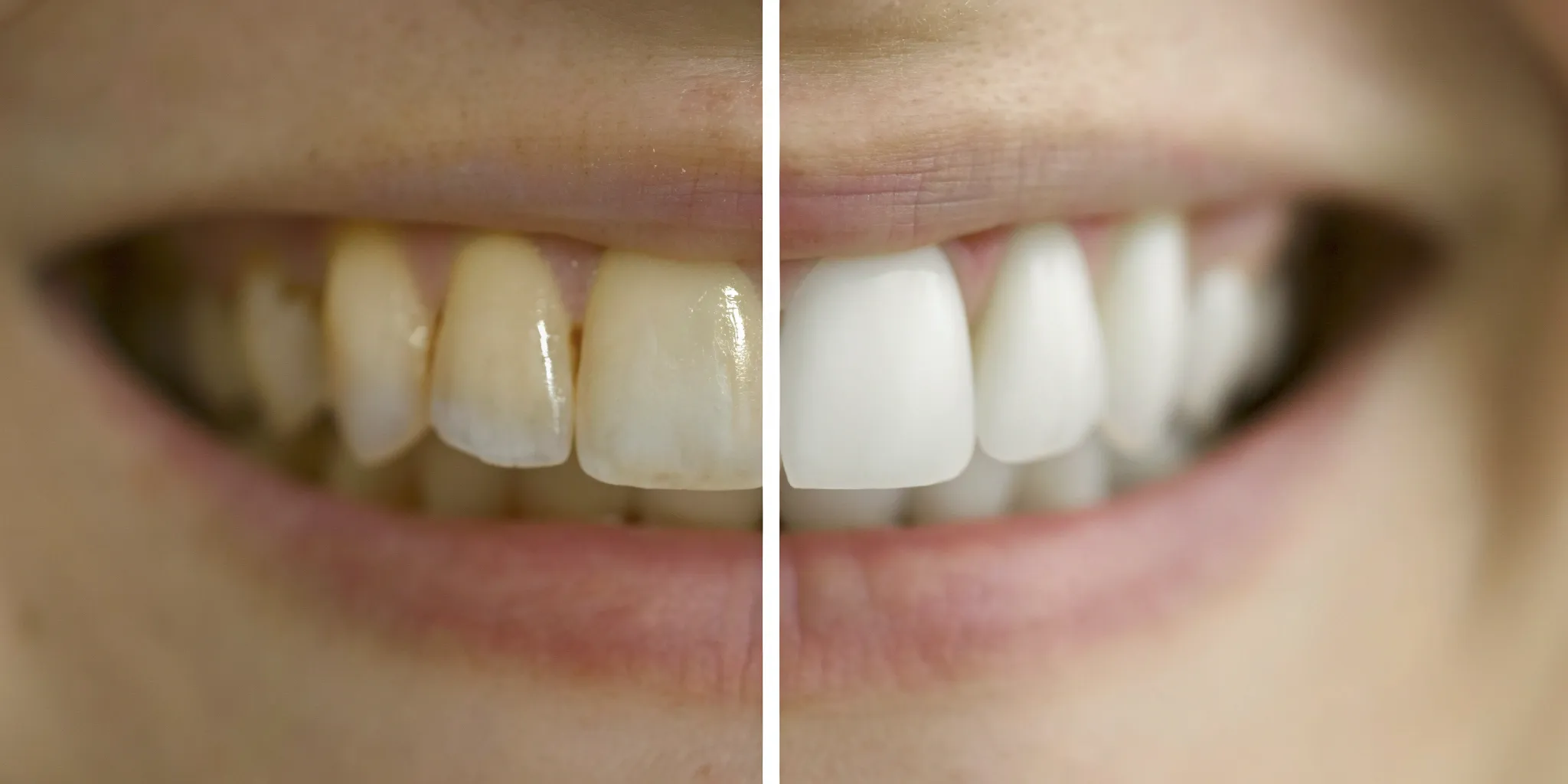
Think of dental veneers as very thin, custom-designed shells that are bonded to the front surface of your teeth. They’re crafted to look and feel completely natural. Veneers are a fantastic option for addressing cosmetic concerns like chips, cracks, stubborn stains that don’t respond to whitening, or even small gaps between your teeth. If you have teeth that are slightly misaligned or unevenly shaped, veneers can create a more uniform and symmetrical appearance. They are a cornerstone of cosmetic dentistry because they offer a conservative approach to changing a tooth’s color and shape.
Exploring Your Veneer Options
When it comes to materials, you generally have two main choices: porcelain or composite resin. Both are made to be incredibly thin—sometimes as thin as a contact lens—to fit seamlessly over your natural teeth. Porcelain veneers are the gold standard for many dentists and patients. They have a light-reflecting quality that mimics natural tooth enamel perfectly. Plus, they are highly durable and resist stains from coffee, tea, or red wine much better than composite. This durability makes them a key component of a long-lasting smile makeover and a worthwhile investment in your smile.
Debunking Common Veneer Myths
It’s easy to find misinformation about veneers, so let’s set the record straight on a few things. First, many people worry that the process is painful. In reality, veneer placement is more comfortable than you might think. Your comfort is a top priority, and the procedure is minimally invasive. Another myth is that veneers look bulky or fake. Modern veneers are custom-crafted to match the shade and shape of your surrounding teeth for a result that is virtually undetectable. They aren’t just for looks, either; they can also add strength to a chipped or cracked tooth, providing a functional benefit along with a beautiful aesthetic.
How Much Do Veneers for Two Front Teeth Cost?
Let’s get right to it—the first question on most people’s minds is about cost. When you’re looking at veneers for your two front teeth, there isn’t a universal price tag. The final cost really depends on a few key things: the type of material you select, your dentist’s location, and whether you need any other dental work done to get your smile ready for its debut. Understanding these factors will give you a much clearer picture of the investment.
Porcelain vs. Composite: A Price Comparison
Your biggest decision, and the one that most affects the price, is the veneer material. Porcelain veneers are the gold standard, celebrated for their durability and a natural, light-reflecting appearance that mimics real tooth enamel. They typically range from $925 to $2,500 per tooth. On the other hand, composite veneers are a more budget-friendly option, usually costing between $250 and $1,500 per tooth. While they offer a beautiful result, they aren’t quite as stain-resistant or long-lasting as porcelain. It’s all about finding the right balance between your budget and your long-term goals for your cosmetic dentistry journey.
How Location Affects Your Cost
It might seem odd, but where you live plays a part in what you’ll pay for veneers. Dental practices in larger cities often have higher fees to cover their operating costs compared to those in smaller towns. The only way to get a truly accurate idea of what to expect in the Baton Rouge area is to come in for a consultation. This lets us give you a personalized quote based on your unique smile and our goals for your complete smile makeover.
Are There Any Hidden Costs?
Thinking about the full picture is key. The price of the veneers themselves is just one piece of the puzzle. Your teeth and gums need to be healthy before we can place veneers, so if you have any underlying issues like cavities or gum disease, we’ll need to address those first. This preparatory work will add to the total investment. It’s also important to know that most dental insurance plans classify veneers as a cosmetic procedure, which means they typically don’t offer coverage. We always recommend checking with your provider, but it’s wise to plan for this as an out-of-pocket expense. A healthy foundation through consistent general dentistry is always the best first step.
Key Factors That Influence Veneer Prices
When you start researching veneers, you’ll quickly find that the cost isn’t a simple, flat fee. The final price tag is a sum of several important parts, each contributing to the quality, beauty, and longevity of your new smile. Think of it less like buying a product off the shelf and more like commissioning a custom piece of art for your teeth.
Understanding these factors will help you see exactly what you’re investing in. From the type of material you choose to the health of your gums, every detail plays a role in the total cost. Let’s walk through the main elements that determine the price of your veneers.
The Quality of Your Veneer Material
The material used for your veneers is one of the biggest factors in the overall cost. The two most common options are porcelain and composite resin, and each has its own set of benefits. Porcelain veneers are the gold standard for a reason—they are incredibly durable, highly stain-resistant, and have a translucent quality that mimics natural tooth enamel perfectly. This premium quality comes with a higher price point, but they often last much longer.
Composite veneers are a more budget-friendly alternative. They are sculpted directly onto your teeth in a single visit, making the process quicker. While they offer a beautiful result, they aren’t as strong as porcelain and can be more prone to staining over time, meaning they may need to be touched up or replaced sooner. Your dentist can help you weigh the pros and cons to decide which material best fits your goals and budget for your cosmetic dentistry journey.
Your Dentist’s Experience and Skill
Placing veneers is a highly technical procedure that requires a keen artistic eye. The experience and skill of your dentist are critical to achieving a natural, seamless result. A dentist with extensive training and a proven portfolio in cosmetic dentistry will likely have higher fees, and for good reason. You are paying for their expertise, precision, and ability to craft a smile that complements your unique facial features.
An experienced dentist knows how to handle the nuances of tooth preparation, color matching, and bonding to ensure your veneers look flawless and feel comfortable. This level of skill minimizes the risk of complications and helps ensure your investment lasts for years to come. When you’re planning a smile makeover, you want a professional you can trust to deliver exceptional results.
The Cost of Custom Craftsmanship
Veneers are not a one-size-fits-all solution. Each thin shell is meticulously designed and custom-made just for you. This process involves several detailed steps that contribute to the final cost. It starts with a thorough consultation and smile design, where you and your dentist map out your desired outcome. Then, precise impressions of your teeth are taken and sent to a specialized dental laboratory.
At the lab, a skilled technician uses these impressions to craft your veneers, paying close attention to the shape, size, and shade specified by your dentist. This custom craftsmanship ensures that your new smile looks balanced, natural, and uniquely yours. The time, technology, and artistry involved in this creation process are all factored into the overall price.
Factoring in Other Dental Work
Before veneers can be placed, your teeth and gums need to be in excellent health. Veneers are a cosmetic enhancement, and placing them over existing dental problems like cavities or gum disease can lead to serious issues down the road. During your consultation, your dentist will perform a complete examination to check for any underlying conditions.
If you have active gum disease, tooth decay, or significant misalignment, these issues will need to be addressed first. The cost of treating these problems is separate from the cost of the veneers themselves but is a necessary step to create a healthy foundation for your new smile. Ensuring your mouth is healthy is the best way to protect your investment and enjoy your beautiful results for years.
What to Expect: The Veneer Process Step-by-Step
Thinking about getting veneers is exciting, but the process itself can feel a bit mysterious. Let’s walk through it together, step-by-step, so you know exactly what to expect. Understanding the journey from your first conversation to the final placement of your new smile can make the entire experience feel more comfortable and straightforward. It’s a collaborative process designed to give you a look you’ll love for years to come.
Step 1: Your Consultation and Smile Design
This first appointment is all about you and your vision for your smile. You’ll sit down with your dentist to chat about your aesthetic goals—what you like, what you want to change, and the overall look you’re hoping for. Your dentist will then perform a thorough examination of your teeth and gums to make sure you’re a great candidate for veneers. This is a crucial step to ensure your mouth is healthy and ready for a cosmetic change. Think of it as a creative strategy session where you and your dentist co-design your perfect smile makeover and map out the plan to get there.
Step 2: Preparing Your Teeth
Once you and your dentist have a plan, the next step is to prepare your teeth. For most traditional veneers, this involves removing a very thin layer of enamel from the front surface of the tooth—usually less than a millimeter. This step is essential because it makes room for the veneer to sit flush with your other teeth for a seamless, natural look. Your dentist will then take a precise mold or digital scan of your teeth. This impression serves as the blueprint for your custom veneers, ensuring a perfect fit. This is a core part of the cosmetic dentistry process that sets the foundation for a beautiful result.
Step 3: Crafting Your Custom Veneers
With your dental impressions ready, the magic happens behind the scenes. The molds or digital scans are sent to a specialized dental laboratory where a skilled technician will meticulously craft your veneers. This is a true art form. The technician uses the models of your teeth to create thin shells of porcelain or composite that match the exact size, shape, and color you and your dentist decided on. They pay close attention to details like translucency and texture to mimic the appearance of natural teeth. This custom craftsmanship is what makes a smile makeover so transformative and unique to you.
Step 4: Placing Your New Veneers
This is the appointment you’ve been waiting for! When your custom veneers arrive from the lab, your dentist will first place them on your teeth without any permanent adhesive. This is a “try-in” phase where you can see how they look and feel. Your dentist will check the fit and color, making any minor adjustments needed to get them just right. Once you give your final approval, your teeth will be cleaned and the veneers will be permanently bonded into place using a strong dental adhesive and a special curing light. You’ll walk out of the office with a brand-new, radiant smile.
Caring for Your Smile After Placement
One of the best things about veneers is that they don’t require any complicated upkeep. You can care for them just like you would your natural teeth. The key is maintaining a consistent oral hygiene routine. Brush at least twice a day with a soft-bristled toothbrush and a non-abrasive toothpaste, and don’t forget to floss daily. Regular check-ups and cleanings are also essential to keep your teeth and gums healthy. Healthy gums are the foundation of a lasting smile, so maintaining good periodontics health is vital. With simple, everyday care, your veneers will stay beautiful for many years.
How to Pay for Your Veneers
Thinking about the cost of veneers can feel a bit overwhelming, but a beautiful smile is more attainable than you might think. The key is knowing your options. From insurance quirks to payment plans and savings accounts, there are several paths you can take to fit your new smile into your budget. Let’s walk through the most common ways to pay for your veneers so you can feel confident and prepared for your consultation.
Will Insurance Cover Veneers?
This is usually the first question on everyone’s mind, and the straightforward answer is that most dental insurance plans do not cover veneers. Because they are considered a cosmetic procedure—meaning they improve appearance rather than function—insurers typically classify them as elective. However, it’s always worth a call to your provider to confirm the details of your specific plan. In rare cases, if a tooth is chipped or damaged, a portion of a veneer might be covered. Don’t just assume it’s a “no”; a quick check can give you a definitive answer and peace of mind.
Exploring Financing and Payment Plans
If insurance isn’t an option, don’t worry. Many dental practices offer flexible ways to manage the cost. One popular route is third-party financing. Companies like CareCredit function like a credit card specifically for health and wellness expenses, allowing you to pay for your treatment in manageable monthly installments. Many dental offices, including ours, also provide in-house payment plans. During your cosmetic dentistry consultation, we can discuss which financing solutions work best for your budget, helping you get your dream smile without the upfront financial stress.
Using Your FSA or HSA
Do you have a Flexible Spending Account (FSA) or Health Savings Account (HSA) through your employer? These accounts are a fantastic way to pay for medical expenses with pre-tax dollars, which can lead to significant savings. While you should always double-check the specific rules of your plan, many allow you to use these funds for dental procedures, including cosmetic ones. Using your FSA or HSA can make the overall cost of veneers much more manageable by giving you a nice tax advantage. Just be sure to confirm eligibility before you commit.
Dental Savings and Discount Plans
Beyond traditional insurance and financing, some dental practices offer their own in-house savings or membership plans. These aren’t insurance, but rather programs you can join to receive discounts on various treatments performed at that specific office. It’s a great way to save on both routine care and bigger procedures like a smile makeover. It’s always a good idea to ask our team if we have any current promotions or savings plans available. We are committed to making your dental goals a reality and will work with you to find the best financial solution.
Protecting Your Investment: Veneer Care and Longevity
Getting veneers is a big step toward the smile you’ve always wanted, and you’ll want to make sure your new look lasts. The good news is that caring for them is straightforward and fits right into a healthy oral hygiene routine. With a little attention, you can keep your veneers looking fantastic for years to come. Think of it less as a chore and more as protecting a valuable investment in your confidence. Let’s walk through what you need to know to keep your smile bright and beautiful.
How Long Will Your Veneers Last?
One of the first questions people ask is about longevity, and it’s a great one. Generally, porcelain veneers are quite durable, lasting about 10 to 15 years on average. With excellent care, some people even have them for 20 years! Composite veneers have a shorter lifespan, typically around 4 to 8 years. The key takeaway is that you have a lot of control over how long they last. Your daily habits and commitment to professional care are what make the biggest difference. A full smile makeover is a partnership between you and your dentist, and your role in maintenance is what ensures a long-lasting, beautiful result.
Your Daily Care Routine
Caring for your veneers is surprisingly similar to caring for your natural teeth. You don’t need a complicated new routine—just consistency. Brush at least twice a day with a soft-bristled toothbrush and a non-abrasive fluoride toothpaste to avoid scratching the surface. Flossing once a day is also essential to keep the edges of the veneers and your gums clean and healthy. One small change you might make is with hard or crunchy foods. Instead of biting directly into something like a crisp apple or a baguette with your front teeth, try cutting it into smaller pieces first. This simple habit helps prevent chipping and protects your investment.
The Role of Professional Cleanings
While your at-home care is crucial, you can’t do it all on your own. Regular check-ups and cleanings are your secret weapon for veneer longevity. These visits allow your dentist to polish your veneers and check on the health of your underlying teeth and gums. Professional cleanings remove plaque and tartar that you can’t get at home, preventing issues that could compromise your veneers. Healthy gums are the foundation of a healthy smile, so keeping up with your appointments helps avoid problems like gum disease, which can affect how your veneers fit and look over time. Think of these visits as essential maintenance to keep everything in top shape.
Planning for Future Replacements
It’s helpful to think of veneers as a long-term commitment rather than a permanent one. Because they will eventually need to be replaced, it’s wise to plan for this from the start. When you’re discussing your initial treatment, your dentist can give you a clear idea of the expected lifespan and what a future replacement might involve. Remember that the health of your natural teeth is the priority. If you need any other general dentistry work done first, like treating a cavity, that will be part of your overall treatment plan. Being prepared for the entire lifecycle of your veneers ensures there are no surprises down the road, just a beautiful smile you can enjoy for years.
Are There Alternatives to Veneers?
Veneers are an incredible solution for transforming your smile, but they aren’t the only path to feeling confident about your teeth. Depending on your specific goals, your budget, and the current health of your teeth, another treatment might be a better fit. The world of cosmetic dentistry offers several excellent alternatives that can address everything from minor chips and stains to more significant structural issues.
Think of it like this: if you want to change the look of a room, you could repaint the walls, get new furniture, or do a full renovation. Each option solves a different problem. Similarly, treatments like dental bonding, crowns, and professional teeth whitening each have their own strengths. Bonding is great for quick, targeted fixes, while crowns provide full coverage and protection for a damaged tooth. And if your only concern is brightness, a simple whitening treatment might be all you need. Understanding these differences is the first step toward creating a smile makeover plan that works perfectly for you. Let’s look at how these options stack up against veneers.
Comparing Veneers to Dental Bonding
If you have smaller imperfections like minor chips, small gaps, or slight discoloration, dental bonding is a fantastic and often more affordable alternative. Bonding uses a tooth-colored composite resin—the same material used in some types of veneers—which your dentist sculpts directly onto your tooth. One of the biggest advantages is that the process is minimally invasive, often requiring little to no removal of your natural tooth enamel. Because the composite resin is applied and hardened in a single visit, you can walk out with a refreshed smile right away. While not as stain-resistant or long-lasting as porcelain, it is easier to repair if it ever gets damaged.
Comparing Veneers to Dental Crowns
While a veneer is a thin shell that covers only the front surface of a tooth, a dental crown encases the entire tooth. This makes crowns a much better option when a tooth needs more than just a cosmetic touch-up. If your tooth is badly cracked, has a very large filling, or is weakened from a root canal, a crown provides the 360-degree protection and strength it needs to function properly. A dental crown restores both the appearance and the structural integrity of the tooth, making it a restorative treatment as much as a cosmetic one. So, if your goal is to strengthen a compromised tooth while also improving its look, a crown is the clear winner.
Comparing Veneers to Teeth Whitening
If your primary concern is the color of your teeth and you’re otherwise happy with their shape and alignment, professional teeth whitening is the most straightforward and least invasive choice. Unlike veneers, which physically cover the tooth surface to hide stains, whitening treatments use a bleaching agent to lift discoloration from your natural enamel. It’s important to remember that whitening only changes the shade of your teeth; it won’t correct any issues with shape, size, or alignment. For deep, intrinsic stains that don’t respond to bleaching, veneers remain the superior option for achieving a bright, white smile. But for surface-level staining, whitening is a simple and effective first step.
Which Option Is Right for Your Smile and Budget?
Choosing the right treatment comes down to your specific needs. If you want a quick and budget-friendly fix for a small chip, dental bonding is a great choice. If your tooth is structurally weak, a crown is the best way to protect it. If you just want a brighter smile, start with teeth whitening. Porcelain veneers are the premier choice for a total cosmetic transformation, addressing color, shape, and minor alignment issues all at once. They also offer the most durability, with porcelain typically lasting around 10 years compared to about five for composite bonding. The best way to decide is to have a conversation with your dentist about your goals and what you hope to achieve.
How to Choose the Right Dentist for Your Veneers
Choosing the right dentist is the most critical step in your veneer journey. This is a partnership, and you want to find a professional who not only has the technical skill but also understands your aesthetic goals. The right dentist will make you feel confident and excited about transforming your smile.
What to Look for in a Cosmetic Dentist
When you’re searching for a dentist, prioritize those with extensive experience and specialized training in cosmetic procedures. A great cosmetic dentist will proudly share their work with you. Ask to see a portfolio of before-and-after photos from their actual patients to get a real sense of their skill and artistry.
Reading patient reviews can also offer valuable insight into the patient experience at their practice. The initial consultation is your chance to see if their approach aligns with your vision and to make sure you feel comfortable and heard.
Questions to Ask at Your Consultation
Your consultation is the perfect time to ask plenty of questions so you can make an informed decision. Don’t be shy! A good dentist will be happy to walk you through everything.
Here are a few key questions to get you started:
- How many veneer procedures have you performed?
- What type of materials do you recommend for my teeth and why?
- What is the step-by-step process for my smile makeover?
- How long can I expect my veneers to last?
- What is the total cost, and do you offer any financing options?
How to Read Your Treatment Plan
After your consultation, you should receive a detailed treatment plan. This document is your roadmap to a new smile, and it’s important that you understand it completely. It should clearly outline every step of the process, from any preparatory work like teeth cleaning to the final placement of your veneers.
Your plan should also include a timeline for the procedure and a transparent breakdown of all associated costs. If anything seems unclear, ask for clarification. You should feel completely confident about what’s included in your plan and be aware of any potential additional charges before you move forward.
Red Flags to Watch Out For
As you meet with potential dentists, keep an eye out for a few warning signs. Be cautious of any dentist who makes promises that sound too good to be true or who pressures you to make a quick decision. Your comfort and confidence are paramount.
If a dentist is vague about the materials they use, can’t clearly explain the procedure, or doesn’t have a portfolio of their work to show you, consider it a major red flag. The right professional for you will be transparent, patient, and dedicated to achieving the results you want. Your smile is an investment, and you deserve to work with a dental team you trust completely.
Related Articles
- Transform Your Smile with Full Mouth Porcelain Veneers in Baton Rouge
- Porcelain Veneer Cost | Reshape your Confidence with Porcelain Veneers Baton Rouge | Pearl Dental Group
- Porcelain Veneer in Metairie, LA | Porcelain Veneers Cost
- Porcelain Veneers in Baton Rouge: Reveal a Brighter, More Confident You
- Reliable Cosmetic Dentistry Treatment in Metairie, LA
Frequently Asked Questions
Are veneers a reversible treatment? Because traditional porcelain veneers require removing a very thin layer of your natural tooth enamel, the process is considered irreversible. This is why it’s so important to be completely sure about your decision and to work with a dentist you trust to design a smile you’ll love for the long haul. The goal is to create a look that feels so natural and comfortable that you’ll never want to go back.
Will the process of getting veneers hurt? This is one of the most common worries I hear, and I’m happy to report that your comfort is a top priority. The procedure itself is not painful. Your dentist will numb the area completely before preparing your teeth, so you won’t feel anything. After the numbness wears off, some people experience mild sensitivity for a few days, but this is temporary and easily managed.
What happens if one of my veneers chips or breaks? Porcelain is incredibly strong, but just like a natural tooth, a veneer can chip or break if you bite down on something very hard or have an accident. If a small chip occurs, it can often be smoothed out or repaired with a composite resin. For a more significant break, the veneer would likely need to be replaced. This is another reason why maintaining a good relationship with your dentist is key, so you have a trusted professional to turn to if anything happens.
Can I still get cavities if I have veneers? Yes, you can. The veneer itself is a solid piece of porcelain that won’t decay, but the natural tooth underneath and along the edges of the veneer is still susceptible to cavities. This is why a consistent oral hygiene routine is non-negotiable. Brushing twice a day, flossing daily, and keeping up with your professional cleanings are the best ways to protect your underlying teeth and keep your entire smile healthy.
How do I choose a shade for my veneers that looks natural? Choosing the right shade is a collaborative art between you and your dentist. You’ll work together to select a color that looks bright and healthy but still believable. Your dentist will guide you by considering your skin tone, the color of your other teeth, and your personal goals. They can show you different shades against your own teeth to help you find that perfect, natural-looking white that enhances your smile without looking artificial.