





A full smile transformation is one of the most powerful investments you can make in yourself. It goes far beyond just changing your teeth; it can change how you feel in photos, how you interact with others, and how you carry yourself every day. The striking full mouth veneers before and after results you see online are a testament to this investment in personal confidence. But because it is a significant commitment, it’s essential to have all the facts. This article will break down everything from the factors that influence cost to the long-term care required to protect your investment for decades to come.
Key Takeaways
- Veneers are a comprehensive fix for multiple cosmetic issues: Instead of tackling stains, chips, and gaps one by one, full mouth veneers address everything at once for a cohesive and dramatic transformation.
- Getting veneers is an irreversible decision: The process involves removing a thin layer of enamel, which means you’ll always need veneers or another restoration on those teeth. It’s a long-term commitment to maintaining your new smile.
- A great result requires a skilled dentist and great home care: The success of your veneers depends heavily on the artistry of your cosmetic dentist and your own commitment to daily brushing, flossing, and regular check-ups to protect your investment.
What Are Full Mouth Veneers?
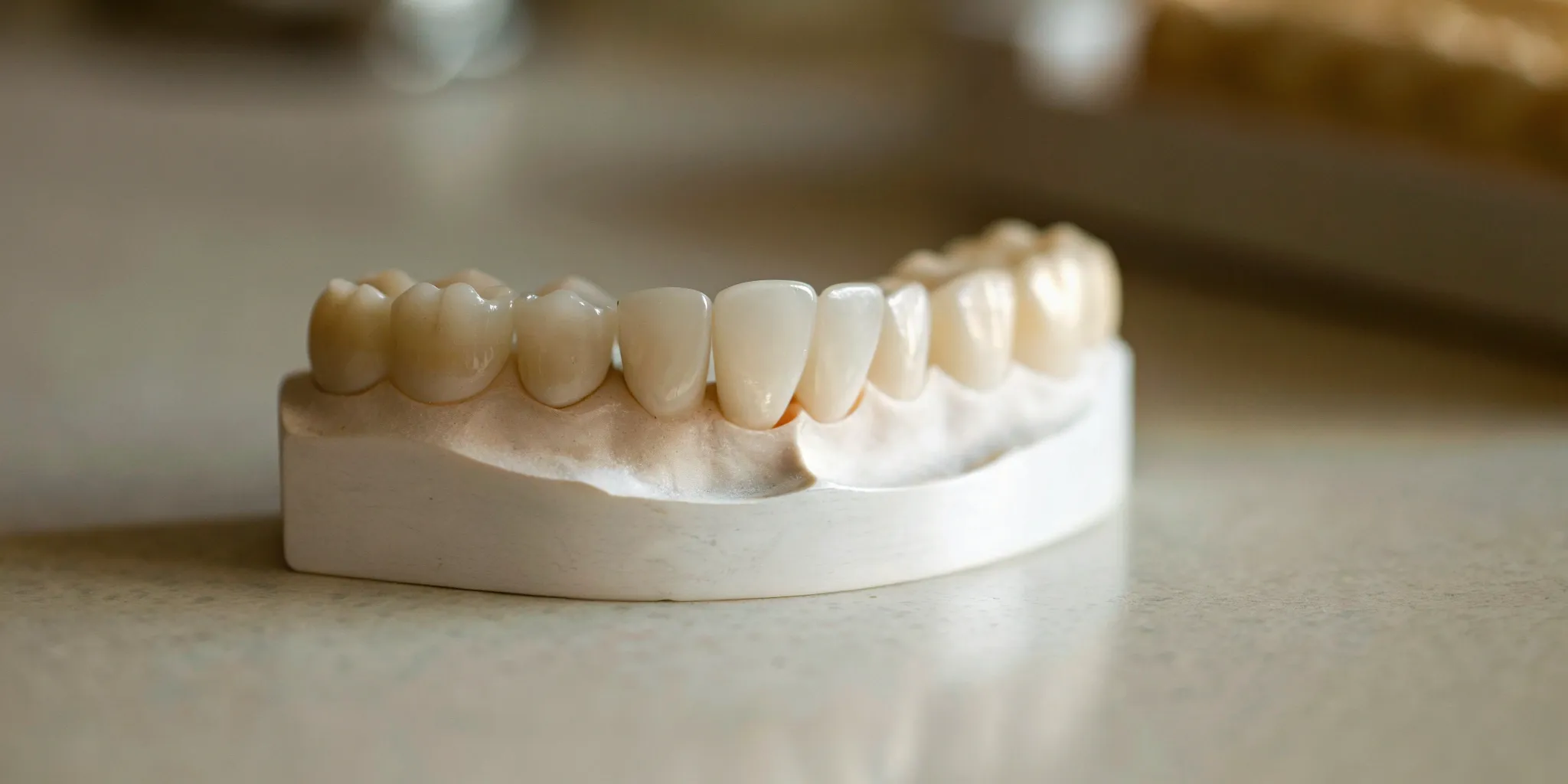
If you’ve ever dreamed of a complete smile reset, you’ve likely come across full mouth veneers. Think of a veneer as a very thin, custom-crafted shell, usually made of porcelain, that is bonded to the front surface of a tooth. It’s designed to change the tooth’s color, shape, size, or length, instantly correcting imperfections like stubborn stains, chips, gaps, or minor crookedness.
While you can get a single veneer to fix one tooth, the term “full mouth veneers” refers to a comprehensive cosmetic treatment. This process involves placing veneers on all the teeth that are visible when you smile—typically eight to ten on the top and sometimes the bottom arch as well. The goal is to create a seamless, symmetrical, and stunning new smile. It’s the secret behind many of the flawless smiles you see and is a cornerstone of a total smile makeover. By treating all visible teeth at once, your dentist can ensure a perfectly uniform and natural-looking result.
Full Mouth vs. Traditional Veneers
The main difference between full mouth and traditional veneers simply comes down to scope. You might get one or two “traditional” veneers to repair a couple of chipped or discolored teeth, blending them in with your natural smile. Full mouth veneers, on the other hand, are a complete aesthetic overhaul. This approach is for someone who wants to transform their entire smile line, ensuring every visible tooth is perfectly matched in shade and shape. It’s about creating a cohesive, harmonious look rather than making small, isolated fixes. This is different from a crown, which covers the entire tooth and is often used to restore strength and function.
Are Full Mouth Veneers Right for You?
Deciding on full mouth veneers is a personal choice that depends on your goals. If you have multiple cosmetic concerns you want to address simultaneously—like discoloration, gaps, and uneven teeth—this could be an ideal solution. For many, the investment is well worth the incredible increase in confidence that comes with loving your smile. With proper care, veneers can last for 10 to 15 years or even longer. The best way to find out if you’re a good candidate is to schedule a consultation. A conversation about your cosmetic dentistry options will help you understand the process and what’s possible for your smile.
The Power of a Smile Transformation: Before and After
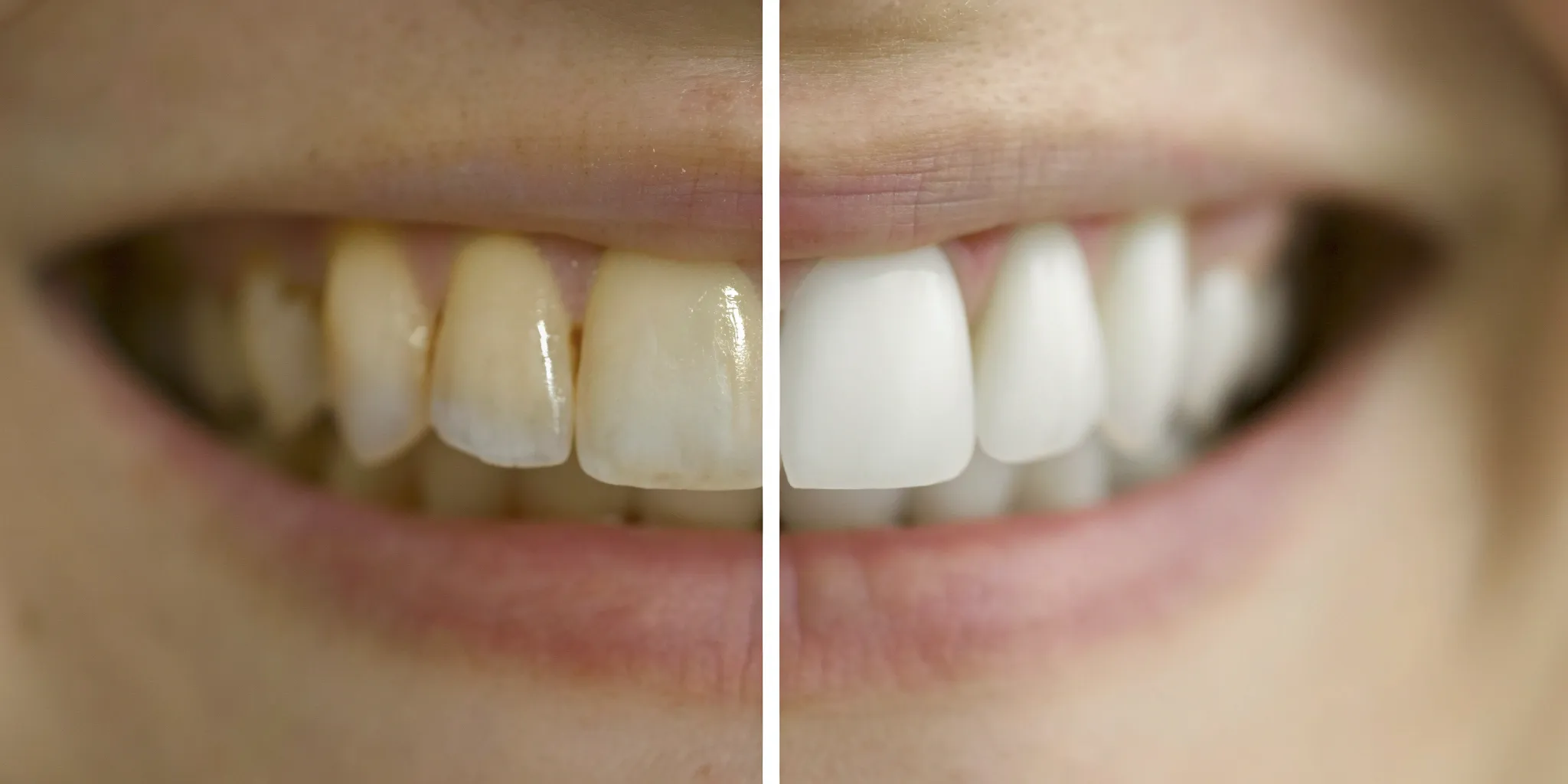
There’s something incredibly powerful about a smile you love to share. It can change how you feel in photos, how you interact in social settings, and even how you carry yourself every day. For many people, a full set of veneers is the key to that confidence. But it’s one thing to talk about it and another to see it. That’s why before-and-after photos are so important—they show you the real, tangible results that are possible and help you imagine what your own transformation could look like.
A smile transformation is a highly personal process. Seeing the journeys of others can help you visualize your own future smile. It’s not about chasing an unrealistic ideal of perfection, but about creating a smile that looks and feels like the best version of you. By looking at a dentist’s past work, you can get a clear sense of their artistic style and the quality of their results. It helps you move from wondering, “What if?” to knowing, “This is what I want.” This visual evidence is often the most convincing part of the decision-making process, giving you a concrete idea of the craftsmanship you can expect. Let’s explore what kinds of dental concerns veneers can address and how to properly review before-and-after photos to find the right fit for your goals.
Dental Concerns Veneers Can Fix
Veneers are incredibly versatile and can correct a wide range of cosmetic issues all at once, which is why they are a cornerstone of cosmetic dentistry. Think of them as a brand-new, custom-designed facade for your teeth. They are an excellent solution for teeth that are deeply stained or discolored and don’t respond to whitening treatments.
Veneers can also restore the appearance of teeth that are chipped, worn down, or slightly misshapen. If you have minor crookedness or small, uneven gaps between your front teeth, veneers can create a beautifully straight and uniform look without the need for orthodontics. By bonding these thin shells to the front of your teeth, your dentist can effectively redesign your smile’s shape, color, and alignment.
What to Look for in Before-and-After Photos
When you’re reviewing a dentist’s portfolio, you’re doing more than just looking at teeth—you’re evaluating their skill and artistry. The goal is to find photos that show how veneers can dramatically improve a person’s smile while still looking natural. Look for high-quality images that are well-lit and free of heavy filters or digital editing. Authenticity is key to setting realistic expectations for your own smile makeover.
Pay close attention to the details. Do the veneers match the patient’s face and skin tone? Are the shapes and sizes of the teeth proportional and flattering? The gums around the veneers should also look healthy and pink, not red or inflamed. A great result is one that blends seamlessly, leaving you with a smile that looks bright, healthy, and completely your own.
Breaking Down the Cost of Full Mouth Veneers
A full smile transformation is a significant investment in your confidence and well-being, so it’s natural to wonder about the cost. The price of full mouth veneers can vary quite a bit because it’s not a one-size-fits-all procedure. Think of it like a custom-tailored outfit—the final cost depends on the specific materials and design choices made just for you.
Several key elements come together to determine your final investment. Understanding these factors will help you see exactly what goes into creating your new smile and why the price can differ from one person to the next. From the number of teeth involved to the technology used, each component plays a role in the total cost. Let’s walk through what you can expect.
What Determines the Final Price?
The final price tag for your veneers is influenced by a few important factors. First is the number of veneers you need. A “full mouth” set typically covers all the teeth visible when you smile, which could be anywhere from eight to twenty veneers. The specific material used also matters; porcelain is a popular choice for its durability and natural look. Finally, the dentist’s experience and the technology they use are crucial. An expert cosmetic dentistry team with advanced digital imaging and design tools can ensure a precise fit and a beautiful, long-lasting result, which is reflected in the cost.
Understanding Your Payment Options
One of the first questions patients ask is whether dental insurance will cover veneers. Because veneers are generally considered an elective cosmetic procedure, most insurance plans do not cover the cost. However, it’s always a good idea to check the specifics of your policy. Many dental practices understand that this is a significant out-of-pocket expense and offer flexible payment solutions to make it more manageable. Options often include third-party financing plans, like CareCredit, or in-house payment plans that allow you to spread the cost over time. Don’t hesitate to discuss these options during your consultation.
Full Mouth vs. Single Veneers: A Cost Guide
Nationally, a full set of porcelain veneers can range from $16,000 to $40,000 or more, depending on the factors we’ve discussed. A single veneer, by comparison, might cost between $1,000 and $2,500. While the upfront cost for a full set is higher, it creates a seamless, uniform look that’s difficult to achieve by treating just one or two teeth. The best way to get a clear and accurate price for your unique situation is to schedule a consultation. During this appointment, your dentist can create a personalized treatment plan for your smile makeover and provide a detailed breakdown of the costs.
Your Full Mouth Veneer Journey, Step by Step
Thinking about a full set of veneers can feel like a huge step, but the process is more straightforward than you might imagine. It’s a carefully planned journey that you and your dentist take together, designed to create a smile that looks and feels completely natural for you. From the initial chat about your goals to the final placement of your beautiful new veneers, each phase is focused on precision, comfort, and achieving the results you’ve been dreaming of. Understanding what happens at each appointment can help you feel confident and excited about your transformation. Let’s walk through the entire process, so you know exactly what to expect.
Step 1: The Consultation and Smile Design
This first meeting is all about you. It’s a conversation where you can share your aesthetic goals and vision for your ideal smile. Your dentist will start by assessing your overall oral health to ensure your teeth and gums are a healthy foundation for veneers. This is a crucial step because a great smile starts with great general dentistry. From there, the creative part begins. We’ll discuss everything from the shape and size to the exact shade of your veneers. This collaborative smile design process ensures your final result is a perfect fit for your facial features and personality, creating a truly custom smile makeover.
Step 2: Prepping Your Teeth and Placing Temporaries
Once your custom smile plan is in place, it’s time for your preparation appointment. To ensure your veneers fit seamlessly and look natural, your dentist will remove a very thin layer of enamel from the front of your teeth—typically less than a millimeter. This creates the perfect surface for the veneers to bond to. After the teeth are prepped, we’ll take a precise impression or digital scan. This model is sent to a dental laboratory where skilled technicians will craft your permanent veneers. Before you leave, you’ll be fitted with a set of temporary veneers to protect your teeth and give you a preview of your new look.
Step 3: Placing Your Permanent Veneers
This is the appointment you’ve been waiting for. When your custom-made porcelain veneers arrive from the lab, you’ll come in for the final placement. Your dentist will carefully place each veneer on your teeth, checking the fit, shape, and color to ensure everything is perfect. Once you’ve both approved the look, your teeth will be cleaned and the veneers will be permanently bonded into place with a strong dental adhesive. The procedure itself is typically quite comfortable, though some people experience mild sensitivity for a few days afterward. You’ll walk out of the office ready to share your brand-new, confident smile with the world, thanks to the art of modern cosmetic dentistry.
Let’s Talk Comfort: The Veneer Procedure
Getting a brand-new smile is exciting, but it’s completely normal to have questions about the process itself. The great news is that the veneer procedure is straightforward and designed with your comfort in mind. We’ll be with you every step of the way, making sure you feel informed and at ease from your first consultation to the final reveal. The focus is on creating a beautiful, natural-looking smile with a process that is as smooth and comfortable as possible. Let’s walk through what you can expect during your appointments and how to handle any temporary sensitivity you might feel afterward.
What to Expect During Your Appointments
Your veneer journey begins with a consultation where we’ll discuss your goals and design your ideal smile. In the next appointment, we prepare your teeth by removing a very small amount of enamel to ensure a perfect fit for the veneers. After that, we’ll take impressions to create your custom-made porcelain shells. You’ll be fitted with temporary veneers to wear while our dental lab meticulously crafts your permanent ones. Once they’re ready, you’ll come back in so we can bond them to your teeth, checking that they fit comfortably and look completely natural as part of your smile makeover.
Tips for Managing Sensitivity
It’s common to feel some mild tooth sensitivity after your teeth are prepared and again after your permanent veneers are placed, but this feeling is temporary. To manage any discomfort, it’s important to maintain good oral hygiene by brushing and flossing gently every day. For the first few days, try to avoid very hot or cold foods and drinks that can trigger sensitivity. You should also steer clear of hard or sticky foods, like chewing on ice or hard candies, which can put unnecessary pressure on your new veneers. If needed, over-the-counter pain relief can help you stay comfortable while you adjust.
How Long Will Your New Smile Last?
Getting a brand-new smile is a big decision, and it’s completely normal to wonder how long your investment will last. The great news is that porcelain veneers are designed for durability. With the right care, you can expect your beautiful results to last for a very long time. While there’s no single expiration date for every set of veneers, a typical lifespan for high-quality porcelain veneers is between 15 and 20 years. Some can even last longer.
Of course, this timeframe isn’t guaranteed—it depends on a few key things. Think of it like any other high-end investment. The quality of the materials, the skill of the person installing them, and how well you maintain them all play a huge role in their longevity. A well-crafted set of veneers, placed by an experienced cosmetic dentist and cared for with a consistent routine, has the best chance of lasting for decades. We’ll get into the specifics of daily care a little later, but first, let’s look at the factors that have the biggest impact on your smile’s staying power.
Factors That Affect Veneer Longevity
Three main things determine how long your veneers will last: the quality of the materials, the expertise of your dentist, and your own daily habits. High-quality porcelain is incredibly strong and resists stains much better than our natural enamel. Just as important is the skill of the dentist who designs and places them. An expert in cosmetic dentistry ensures each veneer is custom-crafted for a perfect fit and bonded securely to your tooth. This precision work prevents tiny gaps where bacteria could gather, protecting both your veneer and the tooth underneath. Finally, how you care for them at home makes a world of difference.
When Is It Time for a Replacement?
Over time, you might notice some signs that your veneers are nearing the end of their life. Keep an eye out for visible chips or cracks in the porcelain. You might also see some discoloration, especially around the edges where the veneer meets your tooth. If your gums start to recede, the top edge of the veneer can become exposed, creating a noticeable line. Any new or unusual sensitivity or pain around a veneered tooth is another signal to get it checked out. If you notice any of these changes, the best thing to do is schedule a visit. Sometimes a small issue can be repaired, but regular dental check-ups are key to catching problems early.
Caring for Your Full Mouth Veneers
Your new smile is a significant investment in your confidence and well-being, and taking care of it is simpler than you might think. With a few consistent habits, you can keep your veneers looking brilliant for years to come. Think of it less as a strict set of rules and more as a new routine to protect the smile you love. Proper care helps ensure their longevity and keeps the natural teeth underneath them healthy. It all comes down to great daily hygiene, being mindful of what you eat, and keeping up with your professional dental visits.
Your Daily Care Routine
Caring for your veneers is a lot like caring for your natural teeth. You’ll want to brush at least twice a day with a soft-bristled toothbrush and a non-abrasive toothpaste. Aggressive scrubbing or gritty pastes can scratch the polished surface of the porcelain, so a gentle touch is best. Flossing once a day is also essential. Remember, your natural teeth are still underneath the veneers, and they can get cavities. Flossing helps clean the spaces between your teeth and along the gumline where the veneer meets the tooth, preventing plaque buildup and keeping your gums healthy. It’s a simple routine that makes a huge difference.
Foods and Habits to Avoid
While porcelain veneers are incredibly durable, they aren’t indestructible. It’s wise to avoid putting unnecessary pressure on them. This means steering clear of biting directly into very hard foods like ice, jawbreakers, or nuts. Sticky candies like caramel or taffy can also pose a risk by potentially loosening a veneer. Beyond food, certain habits can cause chips or cracks. Try to stop biting your nails, chewing on pens, or using your teeth as tools to open packages. Making these small adjustments in your daily life is one of the best ways to protect your cosmetic dentistry investment and prevent accidental damage.
The Role of Professional Cleanings
Your at-home routine is your first line of defense, but regular professional cleanings are just as important. We recommend scheduling a check-up every six months. During these visits, our hygienists use special tools and polishing pastes that are safe for veneers, effectively removing any plaque and tartar you might have missed. More importantly, these appointments allow your dentist to examine your veneers closely. We can check the integrity of the bonding, look for any early signs of wear, and ensure the health of your underlying teeth and gums. These regular visits are key to maintaining your smile and addressing any potential issues before they become problems. You can schedule your next appointment with our general dentistry team today.
What to Know Before You Commit
Deciding to get full mouth veneers is a big step, and it’s completely normal to want all the facts before moving forward. A well-informed decision is always the best decision, especially when it comes to your smile. Thinking about the long-term commitment, potential risks, and other available options will help you feel confident and excited about your choice. Let’s walk through some of the most important considerations together.
Potential Risks and How to Minimize Them
The good news is that the porcelain veneer procedure is minimally invasive, and the risks are quite low. However, it’s still important to know what they are. Some people experience temporary tooth sensitivity to hot and cold after their veneers are placed. Because a thin layer of enamel is removed, there’s also a small risk of tooth decay developing underneath a veneer if it isn’t properly cared for. Veneers are strong, but they can also chip or crack under pressure, just like natural teeth.
The best way to minimize these risks is by choosing a skilled cosmetic dentist and committing to excellent oral hygiene. Brushing, flossing, and attending regular dental check-ups are non-negotiable for keeping your underlying teeth healthy and your veneers in top shape.
Understanding the Permanence of Veneers
It’s crucial to understand that veneers are a permanent change to your teeth. To ensure your veneers fit perfectly and look natural, your dentist needs to remove a small amount of your tooth enamel. This process is irreversible, meaning you can’t simply go back to your original teeth later on. Once you get veneers, you will always need to have them or another type of restoration on those teeth. While the veneers themselves are incredibly durable, they won’t last forever and will likely need to be replaced after 10 to 15 years. Think of it as a long-term commitment to maintaining your beautiful smile makeover.
Are There Alternatives to Veneers?
Veneers are a fantastic solution for many, but they aren’t the only path to a brighter smile. Depending on your specific goals and dental health, other options might be a better fit. For teeth that are severely damaged or decayed, a porcelain crown might be recommended, as it covers the entire tooth and provides more structural support.
Another popular alternative is composite bonding. This procedure involves applying a tooth-colored resin directly to the teeth, which requires less enamel removal than porcelain veneers. It’s a great option for fixing smaller chips or gaps. For concerns related to tooth color or alignment, professional teeth whitening or orthodontic treatments could also be effective solutions. Discussing all cosmetic dentistry possibilities with your dentist will help you find the perfect treatment for you.
Finding the Right Cosmetic Dentist for You
Choosing the right cosmetic dentist is one of the most important steps in your veneer journey. This is a partnership, and you want to find a professional who not only has the technical skill but also understands your aesthetic goals. A great cosmetic dentist will listen to your vision, answer your questions, and work with you to design a smile that feels authentically you. Taking the time to do your research upfront ensures you can move forward with confidence, knowing you’re in capable hands.
Questions to Ask at Your Consultation
Your consultation is your opportunity to interview a potential dentist. Don’t be shy about asking questions to gauge their experience and approach. A good starting point is to ask about their specific process for veneers. You could ask, “What is your approach to achieving a brighter, more even smile with veneers?” or “How do you customize the shape and shade to fit my face?” This helps you understand their philosophy on cosmetic dentistry and whether it aligns with what you’re looking for. Also, inquire about the materials they use and why they prefer them. A confident and experienced dentist will be happy to walk you through every detail.
How to Review a Dentist’s Portfolio
A picture is worth a thousand words, especially when it comes to cosmetic dental work. Ask to see a portfolio of their previous veneer cases. As you look through before-and-after photos, pay attention to the details. Do the veneers look natural? Is the color consistent yet realistic? Do the new smiles complement the patients’ faces? A well-curated gallery shows how veneers can dramatically improve a person’s smile and gives you a clear idea of the dentist’s artistic style. This will help you visualize the potential for your own smile makeover and decide if their work matches your expectations.
Why Experience and Credentials Matter
Getting full mouth veneers is a significant investment in your smile and confidence, so a dentist’s experience is crucial. Look for a professional who has extensive training and a strong focus on cosmetic procedures. Highly skilled cosmetic dentists have a deep understanding of the nuances of smile design, from tooth proportion to bite alignment. Choosing an expert is essential for achieving beautiful, long-lasting results. While it might seem like a way to save money, opting for a less experienced provider can lead to complications and a smile you’re not happy with. Investing in a qualified professional ensures your new smile is both stunning and healthy.
Related Articles
- Porcelain Veneers: Your Complete 2025 Guide
- Transform Your Smile with Full Mouth Porcelain Veneers in Baton Rouge
- Porcelain Veneer Cost: What to Expect in 2025
- How Much Do 2 Front Teeth Veneers Cost?
Frequently Asked Questions
Will my veneers look fake or too white? This is a common concern, and it’s one we address right from the start in the smile design process. The goal is to create a smile that looks like the best version of your own, not an artificial one. We customize the shade, shape, and size of each veneer to complement your facial features and skin tone. A great result is one that looks bright, healthy, and completely natural—so much so that no one will know you have veneers unless you tell them.
What if my teeth are crooked? Do I need braces before getting veneers? It really depends on the extent of the misalignment. Veneers are fantastic for correcting minor crookedness, small gaps, or slightly rotated teeth, giving you a straight smile without orthodontics. However, for more significant alignment issues, your dentist might recommend a short course of orthodontic treatment first. This creates the ideal foundation, ensuring your veneers will fit perfectly and last as long as possible.
Can I still get cavities with veneers? Yes, it’s important to remember that your natural tooth is still underneath the porcelain shell. While the veneer itself can’t decay, the part of your tooth that isn’t covered—including the back and the area along the gumline—is still susceptible to cavities. This is why maintaining a great oral hygiene routine of brushing and flossing every day is so crucial for keeping the foundation of your new smile healthy.
Is removing a thin layer of enamel bad for my teeth? The preparation process is a safe and standard part of getting veneers. We only remove a very minimal amount of enamel, typically less than a millimeter, which is about the thickness of a contact lens. This step is necessary to ensure your veneers fit flush against your teeth and don’t look bulky. While the process is irreversible, it doesn’t harm the health or integrity of your tooth when performed by an experienced cosmetic dentist.
What happens if one of my veneers chips or breaks? Porcelain is incredibly strong, but accidents can happen. If a single veneer gets chipped or damaged, you typically don’t need to replace the entire set. In most cases, your dentist can simply create a new, perfectly matched veneer to replace the one that was damaged. This is another reason why choosing a skilled cosmetic dentist is so important—they can ensure the replacement blends seamlessly with the rest of your smile.