






It’s one of the most common myths in cosmetic dentistry: that you can whiten your veneers just like your natural teeth. Many people search for porcelain veneers whitening kits, hoping to brighten a smile that has started to look a bit dull. The truth is, these products don’t work on the ceramic material of veneers and can sometimes even cause damage by scratching the protective glaze. The good news is that restoring your veneers’ brightness is often simpler than you think. It’s not about changing their color, but about removing the surface stains that have built up over time.
Key Takeaways
- Gentle Daily Care is Non-Negotiable: Since you can’t whiten porcelain, the best way to keep your veneers bright is through prevention. Use a soft-bristled brush and non-abrasive toothpaste to avoid scratching the surface and causing future stains.
- A Professional Polish is Your Only Whitening Option: Forget over-the-counter whitening kits—they don’t work on porcelain and can cause damage. The only safe and effective way to remove surface stains and restore your veneers’ shine is a professional cleaning at your dentist’s office.
- Deep Stains or Damage Signal It’s Time for a Replacement: For issues a professional cleaning can’t fix, like deep discoloration, chips, or cracks, replacing the veneer is the only solution. This restores your smile’s flawless appearance and protects the tooth underneath.
Can You Whiten Porcelain Veneers?
So, you’ve invested in a beautiful new smile with porcelain veneers, and you want to keep it looking its best. A common question we hear is whether you can whiten your veneers just like natural teeth. The short answer is no, but don’t worry—that doesn’t mean you’re stuck with a dull smile. Understanding how veneers work is the first step to keeping them bright and beautiful for years to come. While you can’t change the intrinsic shade of a veneer once it’s made, you can absolutely keep it looking as brilliant as the day you got it.
Why Traditional Whitening Treatments Fall Short
If you’ve ever tried to whiten a coffee mug, you know that some materials just don’t respond to bleaching agents. Porcelain veneers are a bit like that. Traditional whitening treatments, whether they’re over-the-counter strips or professional-grade gels, are designed to work on the porous surface of natural tooth enamel. They penetrate the enamel to break down stains from within. However, veneers are made from a non-porous, ceramic material. Whitening products simply can’t penetrate this surface, making them completely ineffective on the veneer itself. In fact, using abrasive whitening toothpastes or harsh chemicals can sometimes damage the glaze on your veneers, making them more susceptible to staining in the long run.
Porcelain vs. Natural Tooth Enamel
Your natural teeth and porcelain veneers are fundamentally different. Tooth enamel is organic and porous, which is why it can absorb stains from things like coffee, tea, and red wine. It’s also why whitening treatments work—they can get into those pores. Porcelain, on the other hand, is a ceramic that’s incredibly dense and stain-resistant. It’s one of the reasons it’s such a fantastic material for creating a long-lasting, brilliant smile makeover. While the veneer itself resists new stains, the dental cement used to bond it to your tooth can sometimes become discolored over time, creating a stained appearance around the edges. This is why professional care is so important.
Common Myths About Whitening Veneers
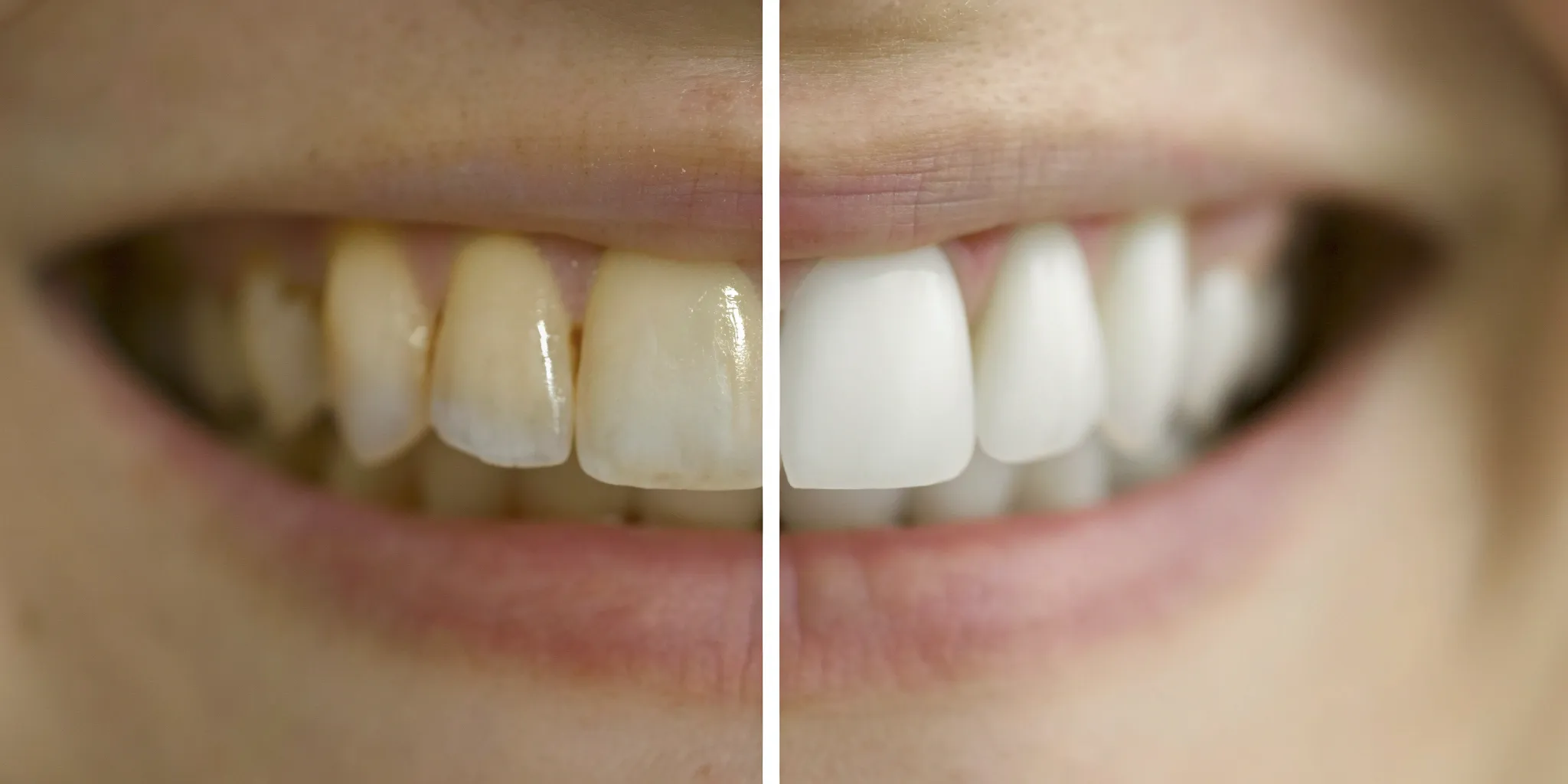
One of the biggest myths is that once a veneer looks dull, it’s a lost cause. That’s usually not the case! Often, what appears to be a stained veneer is actually just a buildup of surface stains that are sitting on top of the porcelain. A professional cleaning and polishing at your dentist’s office can gently remove this film and restore your veneers to their original luster. Another misconception is that you need special, expensive products. The truth is, the best way to keep your veneers bright is through prevention. A consistent routine of gentle brushing, flossing, and regular dental check-ups is the most effective strategy for maintaining your beautiful cosmetic dentistry investment.
What Causes Veneers to Lose Their Sparkle?
Porcelain veneers are incredibly durable and stain-resistant, but they aren’t invincible. Over time, you might notice they don’t look as bright as they did when you first got your new smile. This usually isn’t due to the porcelain itself changing color, but rather a combination of external factors and natural changes in your mouth. Understanding what causes this dullness is the first step in keeping your smile brilliant for years to come.
Surface Stains from Food and Drinks
Just like natural teeth, veneers can pick up surface stains from the things you eat and drink every day. That morning coffee, evening glass of red wine, or even dark berries can leave behind pigments. While porcelain is much less porous than tooth enamel, tiny scratches on the veneer’s surface, called micro-abrasions, can trap food particles and bacteria. Over time, this buildup can make your veneers appear dull or discolored, taking away from the seamless look of your cosmetic dentistry investment.
Lifestyle Habits and Tobacco Use
Your daily habits play a significant role in the longevity and appearance of your veneers. Tobacco use is one of the biggest culprits when it comes to discoloration. Smoking or chewing tobacco can turn your veneers yellow or brown, creating a stark contrast with your surrounding teeth. Beyond staining, tobacco can also darken your gums, which affects the overall look of your smile. Maintaining a healthy lifestyle is key to preserving the bright, clean appearance of your veneers.
A Worn-Down Protective Glaze
Your porcelain veneers are finished with a shiny top layer, or glaze, that acts as a protective shield. This glaze is what gives them their natural luster and helps repel stains. However, this layer can wear down over the years. Using abrasive toothpaste, brushing too aggressively, or even regular wear and tear can erode the glaze. Once it’s compromised, the veneer underneath is more porous and can more easily absorb stains from things like coffee and tea, losing its initial sparkle.
Aging Veneers and Discolored Bonding
The material used to bond the veneer to your tooth is a powerful dental cement. While strong, this bonding agent can sometimes stain over the years, especially around the edges of the veneer. This can create a subtle yellow or brownish outline where the veneer meets your natural tooth. It’s a gradual change that you might not notice at first, but it can eventually affect the uniform color of your smile makeover and make your veneers look aged.
Receding Gums Exposing Natural Teeth
It’s natural for our gums to change as we get older, and sometimes they can recede. When your gums pull back, they can expose the part of your natural tooth root that sits right at the edge of the veneer. This newly exposed tooth surface doesn’t have the same bright, white shade as your veneer and is susceptible to staining. This can create a noticeable color difference that makes the veneer itself appear discolored, highlighting the importance of good gum disease treatment and care.
How to Keep Your Veneers Bright and White
You’ve invested in a beautiful new smile with porcelain veneers, and you want to keep it looking as stunning as the day you got them. While porcelain is known for its impressive resistance to stains, it’s not completely invincible. Over time, lifestyle habits and what you eat can begin to dull their shine. The good news is that maintaining that brilliant smile is straightforward with the right care. A few simple adjustments to your daily routine can protect your investment and ensure your veneers stay bright and white for years to come.
Think of it as simple upkeep for a significant part of your smile makeover. Unlike natural tooth enamel, porcelain is a non-porous material, which is why it resists stains so well. However, the bonding material used to attach the veneers can sometimes discolor, and a film of staining agents can build up on the surface, dimming their brightness. By being mindful of your habits and consistent with your hygiene, you can easily prevent surface stains and protect the delicate porcelain. The following steps are easy to incorporate into your life and will go a long way in keeping your smile radiant and confident.
Perfect Your Daily Hygiene Routine
The foundation for keeping your veneers pristine is the same as it is for your natural teeth: an excellent daily hygiene routine. Brushing at least twice a day and flossing daily is non-negotiable. This practice removes plaque buildup and food particles from around the edges of your veneers, preventing discoloration where the veneer meets your tooth. It also keeps your gums healthy, which is crucial for the overall look of your smile. Healthy, pink gums frame your veneers perfectly. If gums become inflamed or recede due to poor hygiene, it can expose the edge of the veneer or the natural tooth underneath, creating an uneven look. Consistent general dentistry habits are your first and best line of defense.
Choose the Right Toothpaste and Brush
When it comes to cleaning your veneers, not all products are created equal. The key is to be gentle. Always use a soft-bristled toothbrush to avoid scratching the polished surface of the porcelain. As for toothpaste, opt for a non-abrasive gel formula. Many whitening toothpastes or those containing harsh ingredients like baking soda can be too abrasive for veneers. These gritty substances can create microscopic scratches on the surface glaze. While you won’t see these scratches, they can dull the finish and, ironically, create tiny crevices where stains can settle more easily. A simple, non-abrasive fluoride toothpaste is all you need to keep them clean without causing any harm.
Watch Out for Staining Foods and Drinks
While porcelain is highly stain-resistant, it’s wise to be mindful of intensely pigmented foods and drinks. Items like coffee, tea, red wine, dark sodas, and berries are the usual suspects when it comes to staining. You don’t have to give them up completely, but moderation is key. A simple and effective habit to adopt is rinsing your mouth with water immediately after consuming them. This quick rinse helps wash away the staining compounds before they have a chance to sit on the surface of your veneers. Using a straw for dark liquids can also help bypass your front teeth altogether. It’s a small step that can make a big difference in preventing long-term discoloration.
Schedule Regular Professional Cleanings
Your at-home care is essential, but it can’t replace the benefits of a professional cleaning. Regular dental check-ups and cleanings, typically every six months, are vital for maintaining the health and appearance of your veneers. Your dental hygienist uses special polishing tools and pastes that are specifically designed to be safe and effective for porcelain. They can gently remove any surface stains that have accumulated, restoring your veneers’ natural luster and shine without scratching them. These appointments are a core part of any long-term cosmetic dentistry plan and give your dentist a chance to check the integrity of your veneers and the health of the underlying teeth.
Protect the Surface of Your Veneers
Porcelain veneers are incredibly durable, but they aren’t indestructible. Protecting them from physical damage is just as important as keeping them clean. Avoid using your teeth as tools—that means no opening packages, cracking nuts, or chewing on hard objects like ice, pens, or your fingernails. These habits can put immense pressure on a small area, causing the porcelain to chip, crack, or even break, which would require a costly replacement. If you grind your teeth at night, it’s also important to talk to your dentist about a custom nightguard. This simple appliance can protect your veneers from the powerful forces of clenching and grinding while you sleep.
What to Do If Your Veneers Look Stained
Noticing that your once-brilliant veneers are looking a little dull can be disheartening, but don’t panic. While you can’t bleach them, you have several great options for restoring their brightness. The key is to take the right steps and avoid DIY treatments that could do more harm than good. Your first move should always be to consult with your dentist. They can accurately diagnose the cause of the discoloration—whether it’s simple surface stains or something more complex—and guide you toward the most effective solution for bringing back that beautiful, confident smile.
Schedule a Professional Cleaning and Polish
Before considering more intensive options, your first and best step is to book a professional cleaning. Over time, a film of plaque and tartar can build up on your veneers, just as it does on natural teeth, making them appear yellow or stained. During a routine dental visit, your hygienist will use special tools and a gentle, non-abrasive paste to polish your veneers. This process effectively removes surface stains from coffee, wine, or food, restoring their original luster and shine without damaging the porcelain. It’s a simple, painless way to refresh your smile and often all that’s needed to make your veneers look brand new again.
Explore Effective Restoration Techniques
If a professional polish doesn’t quite do the trick, your dentist can explore other restoration methods with you. For veneers that are still in good condition but have stubborn stains, a deep cleaning might be enough to restore their shine. However, if the discoloration is severe, the bonding cement has yellowed, or your gums have receded, the most effective solution might be to replace the veneers entirely. This gives you a fresh start with brand-new, perfectly shaded porcelain. A full smile makeover can address not just the color but also the shape and fit of your veneers, ensuring your smile is as healthy as it is beautiful.
Why You Should Skip DIY Whitening Kits
It’s tempting to reach for an over-the-counter whitening kit, but please resist the urge. Whitening strips, gels, and toothpastes are designed to work on the porous enamel of natural teeth. Porcelain is a non-porous ceramic material, which means these products simply won’t work on your veneers. At best, you’ll be wasting your money. At worst, the abrasive ingredients in some whitening products could scratch the glaze on your veneers, making them even more susceptible to future staining. Always stick to professional cosmetic dentistry solutions to protect your investment and achieve the results you want safely.
Manage Color Differences with Natural Teeth
Sometimes, the problem isn’t the veneer itself but the color contrast with your surrounding teeth. Your natural teeth can yellow over time, making your perfectly shaded veneers suddenly look too bright or out of place. In other cases, the natural tooth underneath a veneer can darken, and this discoloration may show through the translucent porcelain. Your dentist can help by professionally whitening your adjacent natural teeth to create a more uniform, seamless smile. If the tooth underneath is the issue, they may even be able to apply a bleaching agent to the back of the tooth to lighten it from within.
Act Fast When You First Notice Discoloration
The best way to handle stains is to address them before they become deeply set. Prevention is your most powerful tool, but if you start to notice your veneers looking a bit lackluster, it’s time to act. If you’ve had a cup of coffee or a glass of red wine, try to brush your teeth shortly after to prevent the pigments from settling on the surface. More importantly, schedule a visit with your dentist as soon as you have a concern. The earlier you get a professional cleaning, the easier it will be to lift the surface stains and keep your smile looking its best for years to come.
When Is It Time to Replace Your Veneers?
Porcelain veneers are incredibly durable, but they don’t last forever. Over time, you might notice they don’t look as flawless as they once did. Knowing the signs that it’s time for a replacement can help you keep your smile looking its best and protect the health of your natural teeth underneath. If you’re seeing changes in your veneers, it’s always a good idea to schedule a consultation to explore your options and understand the next steps.
Key Signs You Need a Replacement
Pay close attention to how your veneers look and feel. One of the most common signs is deep discoloration that a professional cleaning just can’t seem to fix. You might also notice your gums have started to recede, creating a visible line where the veneer ends and your natural tooth begins. If a veneer feels loose to the touch, or if you can see obvious chips and cracks in the porcelain, it’s definitely time to see your dentist. These issues aren’t just cosmetic; they can create spaces for bacteria to hide and compromise your underlying tooth health, so it’s important to address them promptly.
Dealing with Deep, Stubborn Stains
Unlike your natural teeth, porcelain veneers are non-porous and won’t respond to traditional whitening treatments. In fact, trying to whiten them with at-home kits or even professional bleaching can make your smile look uneven, as the products will only lighten the natural teeth around them. If your veneers have developed deep, set-in stains from years of coffee, tea, or wine, the only effective way to restore their bright, uniform appearance is to have them replaced. This ensures your entire smile looks cohesive and brilliant again.
Spotting Cracks, Chips, and Damage
It’s a good habit to regularly check your veneers for any physical damage. Even a tiny chip or a hairline crack can compromise the veneer’s seal against your tooth. This creates a tiny opening for bacteria to collect, which can lead to decay in the natural tooth underneath. Damage like this can happen from biting down on hard foods, grinding your teeth, or from an accidental impact. During your routine general dentistry check-ups, your dentist will carefully inspect your veneers for any signs of wear and tear that might require attention.
The Replacement Process: A Quick Look
If you and your dentist decide it’s time for a replacement, the process is straightforward and very similar to when you first got them. Your dentist will gently remove the old veneer, clean and prepare the underlying tooth, and then securely bond a new, custom-crafted veneer in its place. This is also a perfect opportunity to make any desired adjustments to the shade or shape of your teeth. It’s a chance to refresh your look, making it a key part of a complete smile makeover.
Caring for Your New Smile
Once your new veneers are in place, proper care is essential to keep them looking great for years to come. The best approach is always prevention. Be sure to use a soft-bristled toothbrush and a non-abrasive toothpaste to avoid scratching the porcelain surface. Maintain a consistent daily hygiene routine of brushing and flossing, and don’t skip your regular professional cleanings. Protecting your investment with good habits is the most effective way to ensure your smile stays bright, beautiful, and healthy for the long haul.
Related Articles
- Metairie Porcelain Veneers: Cost, Process & Care Guide
- Porcelain Veneer Cost: What to Expect in 2025
- Porcelain Veneers: Your Complete 2025 Guide
Frequently Asked Questions
So, I can’t use whitening strips at all on my veneers? That’s right. Whitening strips and other over-the-counter kits are designed to work on the porous surface of natural tooth enamel. Since porcelain is non-porous, these products simply can’t penetrate it to change the color. Using them will only whiten the natural teeth around your veneers, which can actually make your smile look uneven and mismatched. It’s best to skip them altogether to protect your investment.
What should I do if my natural teeth are yellowing next to my white veneers? This is a very common situation, and there’s a great solution. Your dentist can professionally whiten your natural teeth to match the beautiful shade of your veneers. This creates a seamless, uniform look across your entire smile. It’s a simple and effective way to blend everything together perfectly without affecting the veneers themselves.
Is a professional cleaning really enough to remove stains from my veneers? In many cases, yes! What often looks like a stained veneer is actually just a buildup of surface stains from things like coffee, tea, or red wine sitting on top of the porcelain. A professional cleaning and polishing uses special, gentle tools to safely remove that film, instantly restoring your veneers to their original brightness and shine. It’s the safest and most effective first step.
Will I have to replace my veneers if they get chipped or cracked? Yes, if a veneer is chipped or cracked, it will almost always need to be replaced. This isn’t just about looks; any damage can compromise the seal between the veneer and your tooth. This creates a tiny space where bacteria can hide and potentially cause decay to the natural tooth underneath. It’s important to have any damage checked out by your dentist right away.
How can I tell if my veneers are stained or if the bonding underneath is the problem? It can be tricky to tell the difference on your own. A good clue is to look at where the discoloration is. If you see a yellow or brownish line right where the veneer meets your gum, it could be the dental cement that has stained over time. However, the only way to know for sure is to have your dentist take a look. They can accurately diagnose the cause and recommend the best solution.