





Let’s be honest: no one wants a dental crown that looks like a dental crown. The goal is a restoration that blends in so perfectly that you forget it’s even there. For years, that meant choosing materials that could sometimes be fragile or show a dark line at the gums. Thankfully, dental technology has come a long way. Zirconia crowns solve these old problems by providing a solid, tooth-colored restoration from top to bottom. There’s no metal to hide and no dark line to worry about. When you choose the dental crown material zirconia, you’re choosing a seamless, confident smile.
Key Takeaways
- Zirconia offers a powerful combination of strength and beauty: These crowns are tough enough to handle the chewing forces of back molars while blending in seamlessly with your natural teeth for a discreet, confident smile.
- Your crown’s longevity depends on simple, daily habits: Caring for a zirconia crown is as easy as caring for your natural teeth—consistent brushing, flossing, and regular checkups are all you need to make it last for decades.
- A successful outcome starts with a good conversation: Discuss your goals with your dentist to determine if zirconia is the right fit, especially regarding color matching for front teeth and ensuring a perfect, long-lasting bond.
What Are Zirconia Crowns?
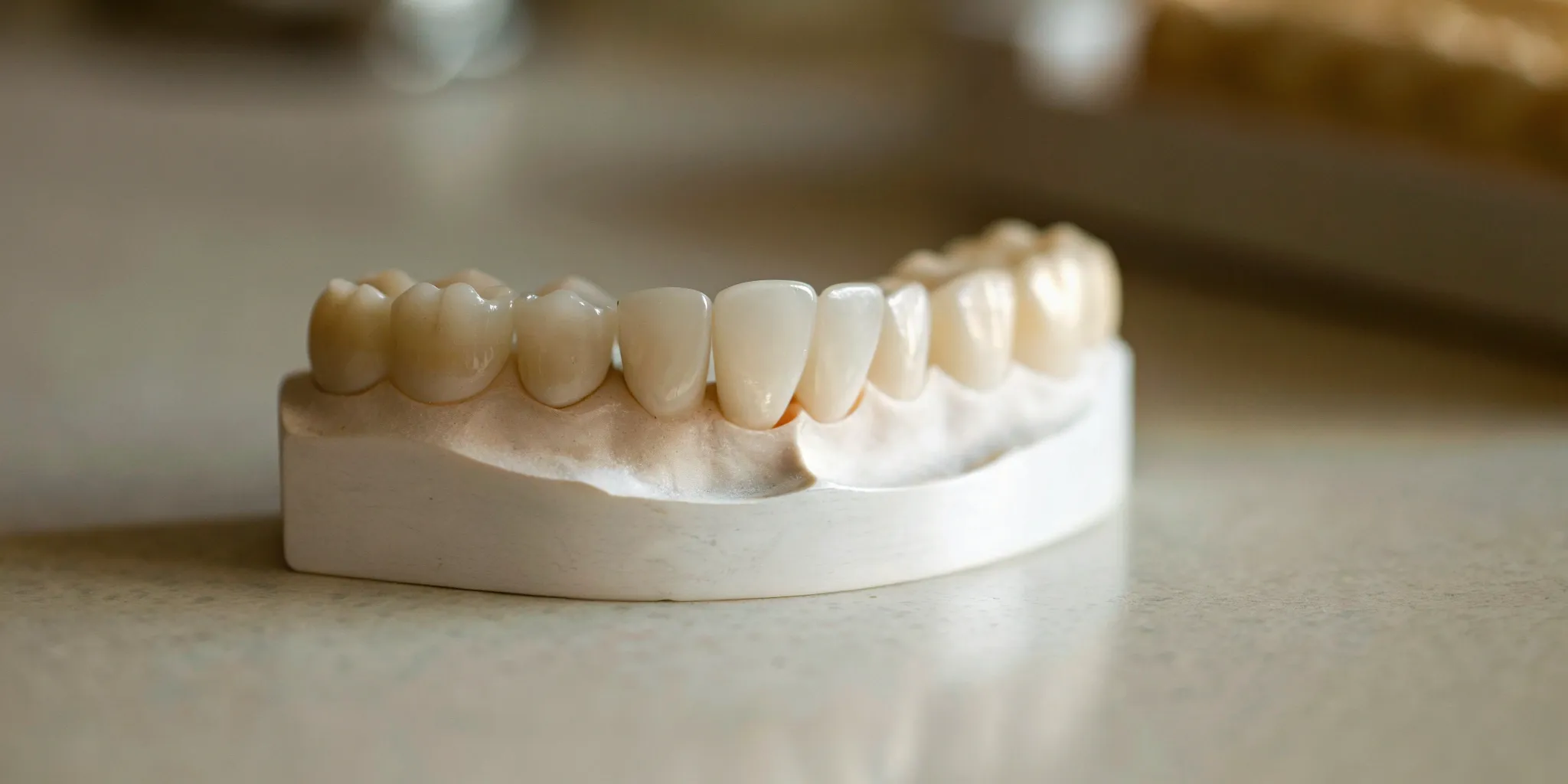
If you’re exploring options to restore a damaged tooth, you’ve likely heard about zirconia crowns. Think of a zirconia crown as a tough, tooth-shaped cap made from a durable ceramic material called zirconium dioxide. We use these caps to cover a tooth that’s been damaged, misshapen, or weakened by decay, bringing it back to its original look and function. It’s a popular choice in modern cosmetic dentistry because it strikes an incredible balance between strength and beauty, giving you a restoration that’s built to last and looks just like a natural tooth.
Why Zirconia is a Top Choice for Crowns
When it comes to dental materials, zirconia is a real powerhouse. It’s a newer material that is significantly stronger than traditional porcelain and even some metal alloys—its strength is often compared to titanium. This incredible toughness means zirconia crowns are highly resistant to the wear and tear of daily chewing. They are far less likely to chip or crack than older materials, like porcelain-fused-to-metal crowns. While most crowns last at least five years, studies show zirconia crowns can easily last 10 to 20 years or even longer with proper care, making them a reliable, long-term solution for restoring your smile.
How Zirconia Mimics Natural Teeth
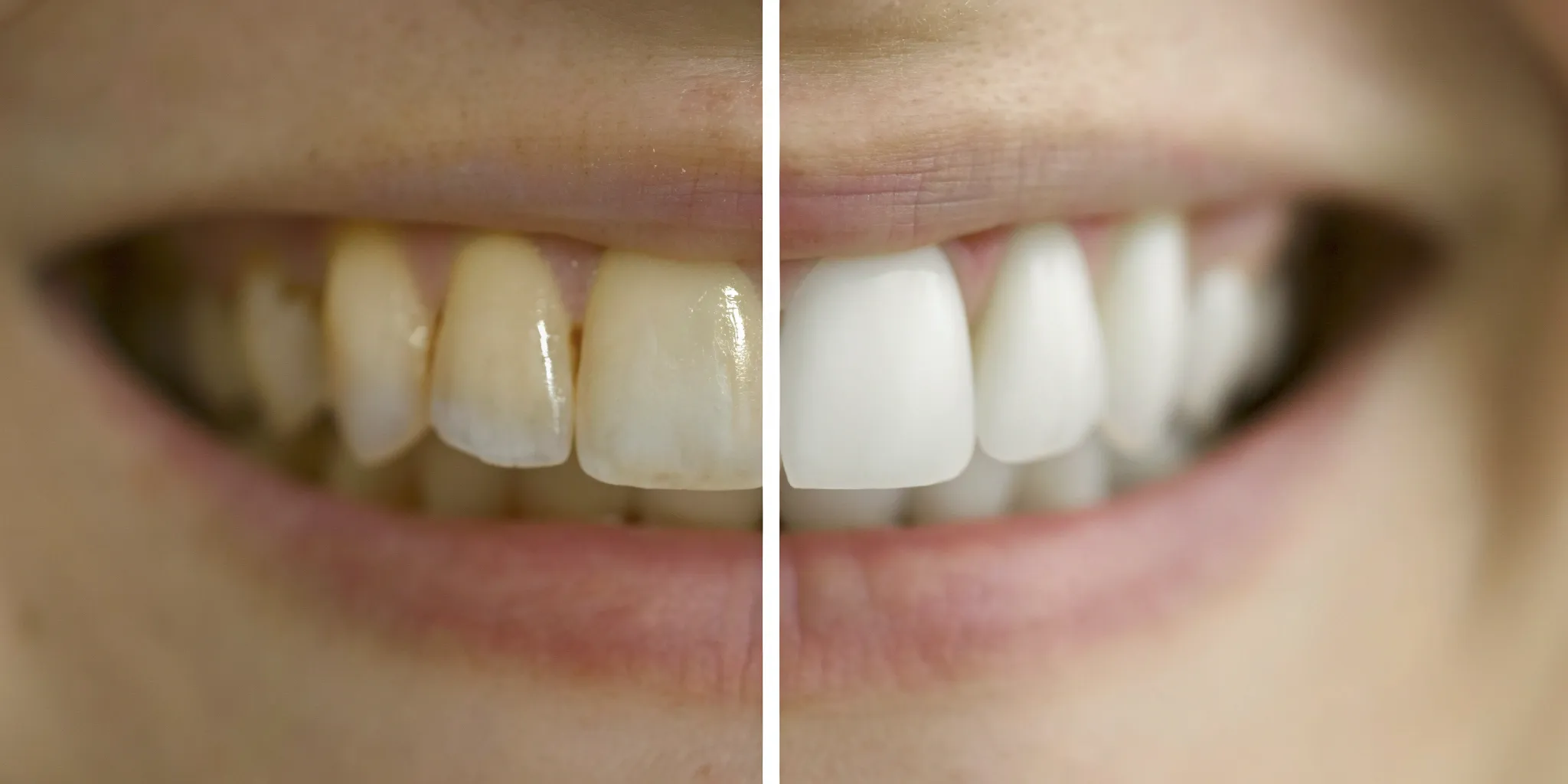
One of the best things about zirconia is how beautifully it blends in with your smile. Because the material is naturally white, we can match it to the specific shade and translucency of your surrounding teeth. This creates a seamless, natural look that makes it nearly impossible to tell you have a crown. A huge advantage of zirconia is that it won’t ever create that dark gray line at your gum line, a common issue that can develop over time with metal-based crowns. For an even more lifelike appearance, a layer of porcelain can be added on top, perfecting the look for a true smile makeover.
The Benefits of Choosing Zirconia Crowns
When it comes to restoring a tooth, you want a solution that looks great, feels natural, and stands the test of time. Zirconia crowns check all those boxes, which is why they’ve become such a popular choice in modern cosmetic dentistry. Made from a type of ceramic called zirconium dioxide, these crowns offer a fantastic blend of brawn and beauty that was hard to find in older materials. Think of it as the best of both worlds: the strength to handle everyday life combined with an appearance that’s virtually indistinguishable from a natural tooth.
Unlike old-school metal crowns that can leave a dark line at your gums, zirconia provides a much more seamless look. But it’s not just about aesthetics. This material is incredibly tough, biocompatible, and allows for a more conservative approach to tooth restoration. If you’re looking for a crown that can handle the demands of daily life while keeping your smile bright and uniform, zirconia is definitely worth discussing with your dentist. It’s a reliable, long-term investment in your oral health and confidence, giving you a restoration you can truly feel good about.
Unmatched Strength and Durability
Let’s be real: your teeth work hard. You need a crown that can keep up. Zirconia is one of the strongest dental ceramics available, making it exceptionally resistant to chips and cracks. It’s built to withstand the powerful chewing forces of your back teeth without breaking down. This incredible durability means you can eat your favorite foods without constantly worrying about damaging your restoration. Because they are so robust, zirconia crowns are an excellent, long-lasting solution for restoring molars and are often used to top dental implants.
A Seamless, Natural-Looking Smile
One of the biggest wins for zirconia is how beautifully it mimics your natural teeth. The material is a white ceramic that can be custom-tinted to match the exact shade and translucency of your surrounding teeth. This allows it to blend in perfectly, so no one will even know you have a crown. Whether you’re restoring a front tooth or getting a full smile makeover, zirconia crowns help create a consistent, bright, and natural-looking result. You can smile, talk, and laugh with total confidence, knowing your dental work is completely discreet.
A Biocompatible, Metal-Free Option
If you have sensitive gums or known metal allergies, zirconia is an ideal choice. Because it’s a ceramic, it contains no metal, which makes it highly “biocompatible.” This simply means your body’s tissues are very unlikely to have a negative reaction to it. You won’t have to worry about the gum irritation or discoloration that can sometimes occur with metal-based crowns. This makes zirconia a safe and comfortable option that supports your overall oral health, fitting perfectly within a holistic approach to general dentistry.
Preserving More of Your Natural Tooth
Whenever possible, the goal in dentistry is to preserve as much of your healthy, natural tooth structure as we can. The superior strength of zirconia actually helps us achieve this. Because the material is so strong, the crown itself can be made thinner than other types of crowns. This means your dentist doesn’t need to remove as much of your original tooth to make it fit properly. This less-invasive preparation is better for the long-term health of your tooth, making it a smart and conservative choice for your smile.
Are There Any Downsides to Zirconia Crowns?
Zirconia crowns are an incredible restorative option, but it’s smart to look at the full picture before making a decision. Like any dental treatment, they have a few potential drawbacks to consider. Being aware of these points helps you have a more productive conversation with your dentist and ensures you feel confident in your choice. The good news is that for most of these challenges, an experienced dental team has the skills and technology to manage them effectively.
Thinking through these factors isn’t about finding reasons to say no; it’s about gathering all the information you need to say “yes” to the right solution for your smile. From cost to the technical details of placement, let’s walk through the potential downsides so you know exactly what to expect. This way, you can weigh the pros and cons and decide if a zirconia crown is the perfect fit for your dental health goals.
Understanding the Cost and Insurance
Let’s talk about the investment. Zirconia crowns are made from a premium, high-tech material, and their price reflects that quality. They are often more expensive than other crown types, like porcelain-fused-to-metal. While the final cost depends on your specific needs, you can generally expect a zirconia crown to start at around $1,000.
Your dental insurance plan may cover a portion of the cost, but coverage varies widely. It’s always a good idea to check with your insurance provider beforehand to understand your benefits. Our team at Pearl Dental Group is also here to help you understand the costs and your payment options, ensuring you can make a decision that works for your budget.
The Challenge of a Perfect Color Match
One of the biggest goals of any crown is to blend in seamlessly with your other teeth. While zirconia is tooth-colored, its natural material can be a bit opaque. This can sometimes make it challenging to perfectly replicate the subtle translucency of a natural tooth, especially for a highly visible front tooth.
However, this is where artistry and technology come into play. Skilled dental lab technicians can layer porcelain over the zirconia core or apply special stains and glazes to create a beautiful, natural look that matches your smile perfectly. During your consultation for cosmetic dentistry, we can discuss how we achieve the most aesthetic results for your specific case.
Why Bonding Can Be Tricky
Getting a crown to stay put for the long haul requires a super-strong bond to your natural tooth. Zirconia is an incredibly smooth and non-reactive material, which is great for biocompatibility but can make it a little trickier to bond compared to other ceramics. Traditional bonding techniques don’t always work as effectively.
This is more of a technical challenge for the dentist than a concern for you as the patient. Experienced dentists use specialized primers and dental cements designed specifically for zirconia. With the right materials and meticulous technique, we can create a durable, long-lasting bond that secures your crown firmly in place for years of confident smiles.
What Happens if a Zirconia Crown Chips?
Zirconia is known for its exceptional strength, which is why it’s so resistant to chipping and cracking. It’s one of the most durable materials available in dentistry today. However, no material is completely indestructible. In the rare event that a zirconia crown does chip, repairing it can be difficult.
Unlike some other materials that can be patched, a chipped zirconia crown often needs to be replaced entirely to ensure its strength and aesthetics are fully restored. The best way to prevent this is through proper care and avoiding habits like chewing on ice, pens, or other hard objects. Regular checkups also allow us to monitor your crown and catch any potential issues early.
What to Expect: The Zirconia Crown Process
Getting a new crown is a straightforward process that restores your tooth’s strength and appearance. It typically takes two visits, and we ensure you’re comfortable every step of the way.
Your First Visit: Prep and Planning
This is where we get your tooth ready for its new covering. First, we’ll numb the area so you don’t feel a thing. Your dentist will then gently reshape the tooth, creating the perfect base for the crown to fit over it snugly. Once the tooth is prepared, we take a highly accurate impression. This serves as the blueprint for your custom crown, ensuring it matches your bite and surrounding teeth. This appointment is a key part of our general dentistry services.
Digital Scans and Your Temporary Crown
After preparing your tooth, we capture its exact dimensions using advanced digital scanning technology. This creates a precise 3D model of your tooth and bite, and it’s much more comfortable than traditional putty molds. Because your permanent crown is custom-made in a lab, we’ll place a temporary crown over your prepared tooth before you leave. This cap protects the tooth and allows you to eat and speak normally while you wait for your final restoration, which usually takes a couple of weeks.
Crafting Your Custom Crown
This is where the magic happens outside of the dental chair. Your digital scans are sent to a specialized dental laboratory where skilled technicians get to work. Using computer-aided design and manufacturing (CAD/CAM) technology, they mill your crown from a solid block of zirconia. This high-tech process allows for incredible precision, ensuring your final crown will have a perfect fit, excellent durability, and a natural appearance. The goal is a restoration that blends seamlessly with your other teeth.
The Final Step: Placing Your Permanent Crown
On your second visit, you’ll get to see your beautiful new crown. We’ll start by gently removing the temporary one and cleaning your tooth. Then, we’ll place the permanent zirconia crown to check its fit, shape, and color. We make sure your bite feels comfortable and that you’re happy with how it looks. Once we’ve confirmed it’s a perfect match, we permanently bond the crown to your tooth. You’ll leave with a fully restored tooth, a seamless part of your smile makeover.
How Long Do Zirconia Crowns Last?
When you invest in your smile, you want to know it’s going to last. A dental crown is a significant step in restoring a tooth’s function and appearance, so it’s completely normal to wonder about its durability. Zirconia crowns are known for their incredible strength, but their lifespan also depends on how well you care for them. With the right habits, your zirconia crown can be a long-term solution that keeps you smiling for years to come.
The Expected Lifespan of a Zirconia Crown
One of the biggest draws of zirconia is its longevity. While most dental crowns last between five and 15 years, a well-maintained zirconia crown can easily surpass that. With good oral hygiene, you can expect your crown to last at least 10 years, and it’s not uncommon for them to last 20 years or even a lifetime. This impressive durability comes from the material’s resistance to chipping and cracking, making it a reliable choice for restoring teeth, especially molars that handle a lot of chewing pressure.
What Affects Your Crown’s Longevity?
The lifespan of your crown isn’t just about the material—it’s also about your lifestyle. Certain habits can put extra stress on your crown and shorten its life. Things like grinding your teeth at night, chewing on ice or hard candy, biting your nails, or using your teeth to open packages can cause damage over time. Additionally, the health of the tooth underneath the crown and your surrounding gums plays a huge role. Consistent oral hygiene is essential to prevent decay or gum disease that could compromise the crown’s foundation.
Tips to Make Your Crown Last
The great news is that caring for a zirconia crown is straightforward. You don’t need a complicated routine—you just need to treat it like one of your natural teeth. This means brushing thoroughly twice a day and flossing at least once a day to keep the area around the crown clean and free of plaque. This simple routine is the best way to ensure your crown and your mouth stay healthy. If you grind your teeth, talk to us about a custom nightguard to protect your crown from excess pressure while you sleep. And, of course, keep up with your regular dental checkups so we can monitor your crown and overall oral health.
Zirconia vs. Other Crowns: A Quick Comparison
When it comes to dental crowns, you have more options than ever before. The right material for you depends on several factors, including which tooth needs restoring, your budget, and your aesthetic goals. Think of it like choosing the right tool for a job—each one has its own set of strengths. While zirconia is a fantastic all-around performer, understanding how it stacks up against other popular materials like porcelain-fused-to-metal (PFM), all-ceramic, and gold can help you feel confident in your decision.
Your dentist will walk you through the best choices for your specific situation, but it’s always helpful to come to the conversation with some background knowledge. Let’s break down the key differences between these common crown types so you can see why zirconia has become such a popular choice for modern cosmetic dentistry. We’ll look at everything from strength and appearance to how each material interacts with your natural teeth.
Zirconia vs. Porcelain-Fused-to-Metal (PFM)
For a long time, PFM crowns were the standard. They have a strong metal base covered with a tooth-colored porcelain layer. While they are durable, they have a couple of downsides that zirconia solves. The main issue is aesthetics; PFM crowns can sometimes reveal a dark metal line at the gumline, which isn’t ideal, especially for visible teeth.
Zirconia, on the other hand, is solid ceramic, so there’s no metal to show through. It’s also incredibly tough and far less likely to chip or crack than the porcelain layer on a PFM crown. While some dentists find that PFM can be a good option for multi-tooth bridges, zirconia’s combination of strength and superior looks makes it a clear winner for most single-tooth restorations.
Zirconia vs. All-Ceramic Options
This can be a little confusing because zirconia is a type of ceramic. However, when dentists talk about “all-ceramic” crowns, they’re often referring to materials like E-MAX or traditional porcelain. These materials are known for their exceptional aesthetics. They have a translucency that mimics natural tooth enamel almost perfectly, making them a fantastic choice for front teeth where appearance is the top priority.
The trade-off is strength. While beautiful, traditional porcelain isn’t as durable as zirconia and can be more prone to chipping. Zirconia offers the best of both worlds. It provides superior strength for back teeth that handle heavy chewing forces, and modern zirconia can be layered with porcelain or expertly shaded to beautifully match your natural teeth, making it a versatile part of any smile makeover.
Zirconia vs. Gold and Metal Alloys
Gold crowns are the undisputed champions of durability. They are incredibly strong, can last for decades, and are very gentle on the opposing teeth. For this reason, they’re still an excellent choice for back molars that are out of sight, especially for people who grind their teeth. The obvious drawback, of course, is their appearance. A flash of gold isn’t the look most people are going for in their smile.
This is where zirconia shines. It offers comparable strength and durability to metal but in a natural, tooth-colored material. Because zirconia is biocompatible and contains no metal, it’s also a perfect solution for anyone with metal allergies or sensitivities. It delivers the robust performance you need without compromising on a seamless, natural-looking smile.
Is a Zirconia Crown Right for You?
Deciding on the right material for your dental crown is a big step. While zirconia is a fantastic option for many, it’s all about finding the perfect fit for your unique smile and needs. Let’s walk through who benefits most from zirconia and what questions you should ask to feel confident in your choice.
Who is a Good Candidate for Zirconia?
You might be a great match for a zirconia crown if durability is your top priority. Because they are so incredibly strong and resistant to chipping, they’re an excellent choice for back teeth that handle a lot of chewing pressure. If you have a strong bite or a history of grinding your teeth, zirconia can withstand that force beautifully. They also last a long time—often 15 years or more with proper care. Plus, since they are metal-free, they are a perfect solution for anyone with metal allergies who still wants a natural-looking aesthetic.
When to Consider Other Materials
While zirconia is a powerhouse, there are a couple of situations where another material might be a better fit. Zirconia can sometimes appear more opaque than other ceramics, which can make it slightly challenging to get a perfect color match for a highly visible front tooth. An all-ceramic crown might offer a more translucent, lifelike appearance in that specific spot. Additionally, bonding a zirconia crown securely requires a lot of technical skill. If the fit isn’t perfect, there’s a risk of bacteria getting underneath, so it’s crucial to work with an experienced dental team.
Key Questions to Ask Your Dentist
Your consultation is the perfect time to get all your questions answered. Don’t hesitate to ask your dentist which material they recommend for your specific situation and why. They will consider several factors, like the tooth’s location, how much of your natural tooth structure is left, and the color of your surrounding teeth. A great starting point is simply asking, “Considering the strength and appearance I need for this tooth, what are my best options?” This opens the door for a collaborative conversation, ensuring you get a result that’s both healthy and beautiful as part of your overall general dentistry care.
How to Care for Your Zirconia Crown
Getting a new zirconia crown is a fantastic step toward a stronger, more beautiful smile. The great news is that taking care of it is surprisingly simple. Since zirconia is so durable and non-porous, you don’t need a complicated new routine. The best way to care for your crown is to treat it just like one of your natural teeth.
Good oral hygiene does more than just keep your smile bright; it protects the tooth underneath your crown and keeps your gums healthy. A consistent routine ensures your crown stays secure and comfortable for years to come, protecting your investment and your overall oral health. By focusing on a few key habits, you can easily maintain your crown and keep your entire mouth in top shape.
Your Daily Care Routine
Even though your zirconia crown isn’t a natural tooth, it requires the same daily attention. Think of it as part of the team—it needs you to brush twice a day and floss at least once daily to keep it, the underlying tooth, and your gums healthy. Plaque can still build up along the gumline where the crown meets your tooth, so thorough cleaning is essential.
When you brush, use a soft-bristled toothbrush and a non-abrasive toothpaste. This helps protect the polished surface of your crown and is gentler on your gums. This simple, consistent care is the foundation of our general dentistry philosophy and the best way to ensure your crown lasts a lifetime.
The Importance of Regular Checkups
While your crown is immune to cavities, the natural tooth beneath it is not. That’s why keeping up with your regular dental checkups is so important. During these visits, we’ll examine your crown to make sure it’s still fitting perfectly and that your bite is comfortable and aligned. We also check the health of the gum tissue surrounding the crown to catch any signs of irritation or inflammation early.
Professional cleanings are also a key part of maintaining your crown. Our hygienists can remove hardened plaque, or tartar, from around the crown’s margin—something your toothbrush can’t do at home. These appointments are the best way to support your at-home care and ensure the long-term health of your smile. Healthy gums are crucial, and our periodontics team can help if any issues arise.
When to Call Your Dentist
Zirconia crowns are incredibly strong, but it’s still important to know what signs to look for. If a crown doesn’t fit perfectly, bacteria can sneak underneath and cause decay in the underlying tooth. You should call us if you notice any changes with your crowned tooth.
Pay attention to any new sensitivity to hot or cold, or if the tooth is painful when you bite down. If the crown feels loose, or if you notice your gums around it are swollen, red, or bleeding, it’s time to schedule a visit. While chipping is rare, it can happen, so any rough spots should be checked out right away. Addressing these issues quickly is the best way to protect your tooth. If you experience sudden pain or a loose crown, our emergency dentistry services are here for you.
Related Articles
- 7 Key Benefits of a Zirconia Dental Bridge
- Preparing a Tooth for a Crown: A Step-by-Step Guide
- Zirconia All on 4 Cost: A Complete Breakdown
- What Is a Zirconia Fixed Bridge? A Complete Guide
Frequently Asked Questions
Is getting a zirconia crown a painful process? Not at all. Your comfort is the top priority during the entire procedure. Before we begin preparing your tooth, we’ll make sure the area is completely numb. You might feel some slight pressure, but you shouldn’t feel any pain. After the numbness wears off, it’s normal to have some minor sensitivity for a day or two, but this is temporary and easily managed.
Can I eat all my favorite foods with a zirconia crown? Yes, you can! Zirconia is incredibly strong and designed to handle the normal pressures of chewing, so you can enjoy your favorite meals without worry. That said, it’s wise to treat your crown just like you would a natural tooth. This means avoiding extremely hard things like chewing on ice, cracking nutshells, or using your teeth to open packages, as these habits can damage any tooth, crowned or not.
Why are zirconia crowns more expensive than some other types? The cost of a zirconia crown reflects the advanced material and technology used to create it. Zirconium dioxide is a premium, high-strength ceramic, and crafting the crown involves sophisticated computer-aided design and manufacturing (CAD/CAM) to ensure a precise fit. Think of it as an investment in a solution that offers superior durability, excellent aesthetics, and biocompatibility, often lasting much longer than other options.
How do I know if zirconia is the right choice for my front tooth versus a back tooth? This is a great question to discuss with your dentist. Zirconia is an excellent all-around choice because it’s strong enough for the heavy chewing forces on your back molars. For front teeth, where appearance is key, modern zirconia can be layered with porcelain to create a very natural, translucent look. In some cases, an all-ceramic crown might be recommended for a front tooth to achieve the most lifelike aesthetic, but zirconia’s blend of beauty and brawn makes it a versatile option for almost any tooth in your smile.
What should I do if my crown feels loose or falls off? If your crown feels loose or comes off, please call our office right away. Don’t try to fix it yourself. Carefully remove the crown from your mouth to avoid swallowing it, and keep it in a safe place. We will get you in as soon as possible to assess the situation and re-cement or replace the crown to protect your underlying tooth.