






If you’ve started researching online, you’ve probably seen a confusing mix of numbers for the average dental implant cost. One site says one thing, another says something completely different, leaving you unsure of what to believe. Let’s clear the air. The wide price range exists because the total cost is a combination of several factors, including the materials used, your dentist’s expertise, and your specific treatment needs. This article is here to demystify the process. We will provide a transparent breakdown of every element, from the initial consultation to the final crown, so you can cut through the noise and get a realistic understanding of your personal investment.
Key Takeaways
- Understand what shapes your final cost: The price of dental implants isn’t a flat fee; it’s a custom quote based on your specific needs, including the number of teeth being replaced, the materials used, and any prep work required for a successful outcome.
- Think of implants as a permanent investment: While other options may seem cheaper initially, dental implants are designed to last a lifetime. Their durability and function often make them the most cost-effective solution for your smile in the long run.
- Create a payment strategy that works for you: You can make your new smile fit your budget by exploring all your options. Combine insurance benefits with an FSA/HSA, ask about in-house payment plans, or consider third-party financing to build a financial plan you’re comfortable with.
How Much Do Dental Implants Really Cost?
Let’s talk about the number one question on everyone’s mind: what’s the price tag on dental implants? It’s completely normal to focus on the cost, as it’s a significant investment in your health and confidence. The truth is, there isn’t a single, flat fee. The final cost of dental implants is unique to you, your dental health, and your specific goals. Think of it less like buying a product off the shelf and more like a custom treatment plan designed just for you.
Several key things can influence the final price, including how many teeth you need to replace and whether you require any prep work before the implant can be placed. Understanding these variables is the first step to figuring out what your personal investment will look like. We’ll break down the average costs, what’s typically included in a quote, and other potential expenses so you can approach your consultation with a clear picture of what to expect.
The Average Price Tag
When you start researching, you’ll see a pretty wide range of prices. Generally, you can expect the cost of a single dental implant to fall somewhere between $1,500 and $6,000. Why such a big gap? This range often reflects just the implant post itself and the surgery to place it. The final price depends on factors like the materials used and the complexity of your procedure. A straightforward implant placement will naturally cost less than a more involved case that requires extra steps. This initial figure is a good starting point, but it’s rarely the full story of your total investment.
What’s Included in the Quoted Price?
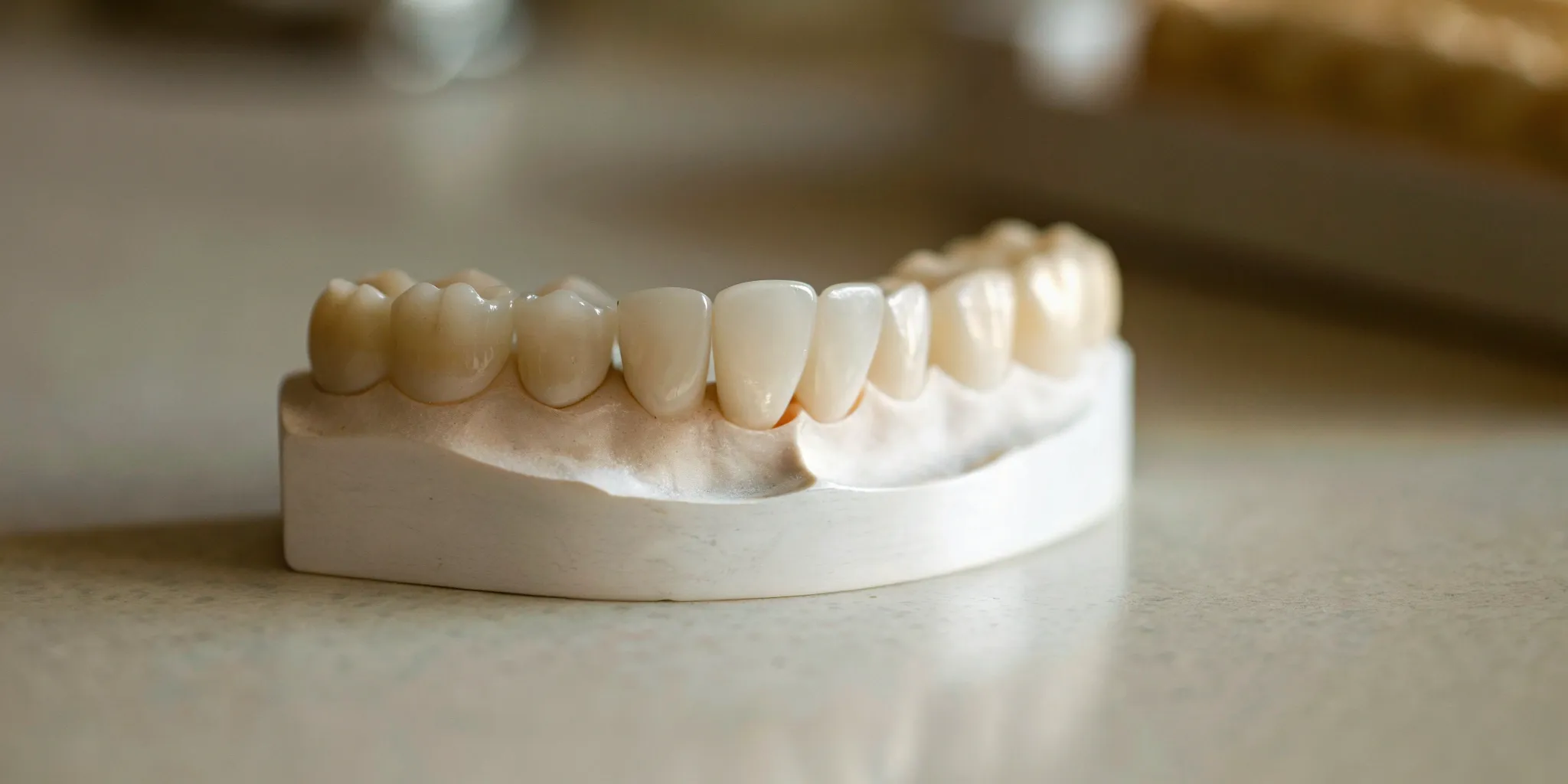
To get a more accurate picture, it’s helpful to look at the all-in cost for one complete tooth replacement. This typically includes three key parts: the implant post that acts as the root, the abutment that connects the post to your new tooth, and the custom-made crown that looks and functions like a natural tooth. When you bundle all these components together, the total cost for one dental implant usually ranges from $3,000 to $4,800. When you receive a quote, make sure to ask if it includes all three of these essential pieces for a complete and accurate estimate.
Breaking Down the Components
It’s also important to know what might not be included in that initial quote. Some patients need additional procedures to prepare their mouth for an implant. For example, if a tooth needs to be removed, that’s a separate cost. If you don’t have enough healthy bone to support the implant, you might need a bone graft or a sinus lift first, which are common types of oral surgery. While the implant post itself is designed to last a lifetime, the crown on top may need to be replaced every 10 to 15 years due to normal wear. These are all important details to discuss with your dentist.
Clearing Up Common Cost Myths
When it comes to dental implants, the price tag is often surrounded by a cloud of confusion and myths. It’s easy to get sticker shock or feel overwhelmed by conflicting information. Let’s clear the air and talk straight about what really goes into the cost of
Why It’s a Long-Term Investment
It’s true that dental implants can have a higher initial price than options like dentures or bridges. But it’s important to look at the bigger picture. Implants are designed to be a permanent solution. They fuse with your jawbone, functioning just like natural teeth, and they aren’t susceptible to cavities. This durability means you likely won’t have to pay for replacements or frequent adjustments down the road, which can add up over time with other tooth replacement methods. When you consider their longevity and functionality, implants often prove to be the more cost-effective choice for your smile in the long run.
What Insurance Actually Covers
Navigating dental insurance can feel like a puzzle, especially when it comes to major procedures. The myth that insurance never covers implants isn’t entirely true, but coverage can be tricky. Many dental plans now offer at least partial coverage for implants, recognizing them as a standard of care. However, the amount covered varies widely from plan to plan. Some might cover the crown but not the implant post itself, for example. The best first step is to let our team help you review your specific benefits. We can work with your provider to determine exactly what’s covered and help you maximize your insurance.
The Truth About “Hidden” Costs
No one likes financial surprises. A common fear is that the initial quote for an implant is just the beginning. The reality is that the total cost is unique to you. Your treatment plan is tailored to your specific oral health needs, which is why a one-size-fits-all price doesn’t exist. The final cost includes several components: the implant post, the abutment (connector piece), and the final crown. If you need a tooth removed first, that oral surgery will be a separate cost. We believe in full transparency, so we’ll provide a detailed breakdown of every expected expense during your consultation.
Does a Higher Price Mean Better Quality?
When it comes to your health, you want the best, but does that always mean choosing the most expensive option? Not necessarily. While you should be wary of deals that seem too good to be true, a higher price doesn’t automatically equal a better outcome. The cost reflects the quality of the materials, the technology used, and your dentist’s expertise. Investing in a skilled and experienced team is crucial for a successful, long-lasting result. A well-placed implant from a trusted professional is far more valuable over time than a cheaper alternative that may lead to complications and additional costs later.
What Factors Influence the Final Price?
When you start researching dental implants, you’ll quickly find that there’s no single, universal price. That’s because the final cost is tailored to your specific needs. Think of it less like buying a product off the shelf and more like a custom treatment plan designed just for you. Several key elements come together to determine your total investment, from the materials used for your new tooth to the specific expertise of your dental team.
Understanding these factors will help you make sense of the quotes you receive and see exactly where your money is going. It’s not about finding the cheapest option, but about understanding the value behind each part of the process. Your oral health, the complexity of your case, and even where you live can all play a role. Let’s walk through the five main components that shape the final price of your dental implants, so you can feel confident and prepared as you plan for your new smile.
Your Location
It might seem surprising, but your zip code can affect the cost of dental work. Just like the price of housing or gas varies from one city to another, so does the cost of dental services. Overhead expenses for a dental practice, such as rent and staff salaries, differ based on the local economy. This means a single implant in a major metropolitan area might cost more than the same procedure in a smaller town. For example, the average cost for an implant can vary by thousands of dollars from state to state. While this isn’t something you can control, it’s helpful to keep in mind when comparing prices.
Your Dentist’s Experience
The skill and training of your dentist or oral surgeon are significant factors in the overall cost. A practitioner with advanced training and years of experience in implant dentistry will likely have higher fees than a general dentist who performs implants less frequently. This higher cost reflects a deeper level of expertise, precision, and often, a higher success rate. Investing in an experienced professional means you’re paying for their specialized knowledge in handling both straightforward and complex cases, which can give you peace of mind and a more predictable, lasting result. It’s a crucial part of ensuring your new smile is built to last.
The Materials Used
Not all dental implants are created equal. The materials used for both the implant post and the final crown will influence the price. Most implants are made from titanium, a biocompatible metal that fuses well with bone. However, some patients may opt for alternatives like zirconia, which can be more expensive. The crown—the part that looks like a tooth—also comes in different materials, such as porcelain, ceramic, or zirconia, each with its own price point and aesthetic qualities. Your dentist will help you choose the best materials for your needs, balancing durability, appearance, and your budget.
Any Necessary Prep Work
Your jaw needs to be healthy and strong enough to support an implant. If you’ve had a missing tooth for a while, you may have experienced some bone loss in that area. In these cases, you might need preparatory procedures before the implant can be placed. Common examples include a bone graft, which adds bone mass to your jaw, or a sinus lift, which creates space for an implant in the upper jaw. These additional treatments are essential for the long-term success of your implant but will add to the total cost of your treatment plan. These procedures often fall under the umbrella of oral surgery.
The Number of Implants
This one is pretty straightforward: the more implants you need, the higher the total cost will be. The price for a single tooth replacement will be significantly lower than a procedure to replace several missing teeth or a full arch of teeth. If you’re looking to restore your entire smile, you might be a candidate for a full-mouth restoration or an All-on-4 treatment, which uses a few strategically placed implants to support a full denture. These extensive procedures are more complex and require more materials and time, which is reflected in the price. A comprehensive smile makeover is a significant investment, but it completely transforms your smile and function.
Comparing Implant Types and Their Costs
Dental implants aren’t a one-size-fits-all solution, and the type you need is one of the biggest factors influencing the final cost. Your specific situation—whether you’re missing a single tooth, several teeth, or a full arch—will determine the best path forward. Understanding the different options can help you get a clearer picture of the potential investment in your smile. Think of it like building a house; the foundation and materials you choose will depend on the final design you’re aiming for.
The goal is always the same: to restore your ability to eat, speak, and smile with complete confidence. From a single implant that seamlessly fills a gap to a full set of new teeth anchored securely in place, each approach is designed to restore function and aesthetics. We’ll break down the most common types of dental implants so you can see how they compare in terms of procedure, purpose, and price. This will help you have a more informed conversation with your dentist about what makes the most sense for your health and your budget.
Single Tooth Implant
If you’re missing just one tooth, a single implant is the gold standard for replacement. This solution consists of three parts: the titanium implant that acts as the root, the abutment that connects the implant to the crown, and the custom-made crown that looks and feels like a natural tooth. It’s a permanent fix that helps preserve your jawbone and keeps neighboring teeth from shifting. The national average cost for a single tooth implant is around $2,143, but the price can range from about $1,600 to over $4,000. This variation depends on factors like your location and any preparatory work needed. It’s a straightforward and highly effective way to restore your smile one tooth at a time.
Multiple Teeth Implants
When you have several missing teeth in a row, you don’t always need to replace each one with an individual implant. Instead, your dentist might recommend an implant-supported bridge. This approach uses two implants to anchor a bridge that fills the entire gap, which is often more cost-effective than placing multiple single implants. These restorations are designed to look, feel, and work like your natural teeth, giving you a strong, stable, and seamless result. This is a fantastic option for restoring a larger section of your smile without compromising on quality or aesthetics, and it’s a key part of many a smile makeover.
Full Mouth Implants
For those who need to replace all of their upper or lower teeth, full mouth implants offer a life-changing solution. This procedure involves strategically placing a number of implants throughout the jaw to support a full, permanent bridge or denture. Unlike traditional dentures that can slip or feel uncomfortable, an implant-supported restoration is completely stable, allowing you to eat, speak, and smile with total confidence. While this is the most significant investment, it provides a complete and permanent restoration of your entire smile. It’s a durable, long-term solution that fully restores both the function and appearance of your teeth, giving you a brand-new start.
All-on-4 Treatment
The All-on-4 treatment is a specific, highly efficient type of full mouth implant procedure. Just as the name suggests, it uses just four strategically placed implants in the upper or lower jaw to secure an entire arch of new teeth. It’s a popular option because it often requires less bone density and can sometimes be completed in a single day. This approach minimizes surgery time while still providing a strong, stable foundation for your new smile. The typical cost for an All-on-4 procedure is around $15,176 per arch. It’s an innovative treatment that has become a go-to for patients seeking a fast and effective full-arch restoration.
Mini Dental Implants
Mini dental implants are a smaller, narrower version of traditional implants. Because of their size, they are less invasive to place and are often used in situations where there isn’t enough bone mass to support a full-sized implant. They are most commonly used to stabilize a lower denture, preventing it from slipping or shifting while you talk or eat. While they are a great solution for certain cases and are often less expensive than traditional implants, they aren’t strong enough for every situation. A thorough consultation with your dentist is the only way to know if mini implants are the right choice for your specific needs.
What Other Costs Might Come Up?
When you get a quote for a dental implant, it’s easy to focus on that single number. But the implant itself—the small titanium post that acts as a root—is just one piece of the puzzle. To make sure your new tooth is successful, stable, and looks great, a few other steps might be necessary. Think of it less like buying a product off the shelf and more like a custom project tailored just for you.
The total cost of your dental implant journey is unique because your dental health is unique. Some patients need a little prep work to create a solid foundation for the implant, while others might need a temporary tooth to wear while they heal. It’s also important to account for the detailed planning that happens before the procedure and the follow-up care that happens after. A transparent treatment plan will break all of this down for you, so you know exactly what to expect from start to finish. These additional steps aren’t “hidden fees”—they’re essential parts of a safe and lasting tooth replacement.
Initial Consultation and Scans
Your first step is a thorough consultation. This is where your dentist assesses your oral health, discusses your goals, and determines if you’re a good candidate for dental implants. This appointment almost always involves advanced imaging, like digital X-rays or a 3D cone-beam computed tomography (CBCT) scan. These scans give your dental team a detailed, three-dimensional view of your jawbone, nerves, and sinuses. This isn’t just a quick look; it’s a critical planning phase that allows for precise implant placement. The cost for this initial visit and the necessary scans is typically separate from the surgery itself, as it covers the diagnostic work required to create your personalized treatment plan.
Bone Grafts or Sinus Lifts
For a dental implant to be successful, it needs to be anchored in a solid foundation of bone. If you’ve had a missing tooth for a while, the jawbone in that area may have started to shrink. In these cases, a bone graft might be necessary to build the area back up. This procedure involves adding bone material to your jaw to create a sturdy base for the implant. Similarly, if you need an implant in your upper jaw, a sinus lift might be required to create enough space and bone height. These are common preparatory procedures that happen before your implant surgery, and their costs are added to your overall treatment plan. You can learn more about these types of oral surgery procedures during your consultation.
Temporary Teeth
The process of an implant fusing with your jawbone, called osseointegration, takes a few months. If your implant is in a visible spot, you probably won’t want to go with a gap in your smile during the healing period. That’s where a temporary restoration comes in. This could be a temporary crown or a removable device that looks like a natural tooth. It ensures your smile stays complete while the implant heals beneath the gums. The final restoration—the permanent crown and the abutment that connects it to the implant—is also a key part of the process. The costs for both the temporary and final pieces of your new smile makeover are typically itemized in your treatment plan.
Aftercare and Follow-Ups
Once your implant is placed, proper aftercare is key to a smooth recovery. Your dentist may prescribe medications, such as antibiotics to prevent infection or pain relievers to manage discomfort, which will be an out-of-pocket cost. You’ll also have a few follow-up appointments so your dental team can monitor your healing and ensure everything is going as planned. While some post-op visits may be included in the initial surgical fee, others might be billed separately. Think of this phase as protecting your investment. Consistent care and professional check-ups ensure your implant heals correctly and remains a healthy, functional part of your smile for years to come, just like your other general dentistry needs.
How to Pay for Your Dental Implants
Thinking about the cost of dental implants can feel overwhelming, but don’t let the numbers stop you from exploring your options. A healthy, confident smile is a valuable investment, and there are several practical ways to fit it into your budget. From using insurance benefits to flexible payment plans, you have more financial pathways than you might think. Let’s walk through the most common ways to pay for your treatment so you can move forward with a clear financial plan.
Using Your Dental Insurance
First things first: let’s talk to your dental insurance provider. While it’s true that many plans don’t cover the entire cost of dental implants, it’s a common myth that they offer no help at all. Many insurance plans provide partial coverage for the procedure, which can significantly lower what you need to pay out-of-pocket. The key is to get the specifics. Call your provider or review your benefits package to understand exactly what’s covered, including any annual maximums or deductibles. Our office is also happy to help you understand your benefits and submit claims on your behalf.
Using Your FSA or HSA
If you have a Flexible Spending Account (FSA) or a Health Savings Account (HSA) through your employer, you’re in luck. These accounts are designed to help you pay for medical and dental expenses with pre-tax money, which is a fantastic way to save. You can use the funds in your FSA or HSA to cover the costs of your dental implants, from the surgery itself to the final crown. It’s a smart financial move that allows you to use money you’ve already set aside for your health, making the overall investment in your smile a little easier on your wallet.
In-House Payment Plans
We believe that quality dental care should be accessible. That’s why many dental offices, including ours, offer in-house payment plans. This option allows you to break down the total cost of your treatment into a series of manageable monthly payments. Instead of paying one large sum upfront, you can spread the cost over time, often with little to no interest. It’s a straightforward way to budget for your procedure without the stress. During your consultation, we can discuss a payment schedule that works for you and your financial situation.
Dental Savings Plans
If you don’t have traditional dental insurance, a dental savings plan might be the perfect fit. These aren’t insurance policies but rather membership-based plans that give you access to significant discounts on a wide range of dental procedures, including implants. You pay an annual fee to join the plan, and in return, you receive a reduced rate on your treatment from participating dentists. It’s a great alternative that can make comprehensive dental work much more affordable, helping you get the care you need without the complexities of insurance.
Third-Party Financing Options
For added flexibility, third-party financing can be an excellent solution. Companies like CareCredit function like a credit card specifically for healthcare expenses. They offer financing options that allow you to pay for treatments over time, often with promotional periods that are interest-free if you pay the balance within a certain timeframe. Applying is simple, and you’ll get a quick decision, which means you can proceed with your dental implant treatment without delay. This approach gives you the freedom to get your new smile now and pay for it in a way that fits your monthly budget.
Plan Your Budget Like a Pro
Thinking about the financial side of dental implants can feel like a huge hurdle, but it doesn’t have to be. With a little planning, you can create a clear and manageable financial roadmap. Breaking it down into smaller, actionable steps makes the process feel much more approachable and puts you in control. Let’s walk through how to plan your budget so you can move forward with confidence.
Set a Realistic Budget
First things first: let’s get a handle on the numbers. The cost of a single dental implant can vary quite a bit depending on your specific needs. Nationally, the average cost is around $2,143, but it can range anywhere from $1,646 to $4,157. This range accounts for factors like the materials used, your location, and whether you need any preparatory procedures. The best first step is to schedule a consultation to get a personalized quote. This gives you a solid number to build your budget around, rather than trying to guess. Knowing your specific costs helps you create a realistic plan from the start.
Map Out Your Financial Plan
Once you have a cost estimate, it’s time to look at your payment options. A key piece of this puzzle is understanding your dental insurance. It’s true that many insurance plans consider dental implants an elective procedure and may not cover the full cost. However, some plans might help pay for the implant crown, which is a significant part of the total price. The only way to know for sure is to ask your insurance provider directly. A quick phone call can clarify exactly what your policy covers, helping you map out how much you’ll need to budget for out-of-pocket expenses.
Smart Ways to Save
Making dental implants fit into your budget is often easier than you think. Many dental offices, including ours, want to make treatment accessible and offer flexible options. Ask about in-house payment plans that let you pay for the procedure over time with manageable monthly payments. You can also use funds from a Flexible Spending Account (FSA) or Health Savings Account (HSA) to pay for your implants with pre-tax dollars. And don’t forget to double-check your insurance plan one more time—even partial coverage can make a big difference in your final cost.
Plan Your Treatment Timeline
Finally, it’s helpful to align your budget with your treatment schedule. The entire dental implant process doesn’t happen overnight; it can take several months, and sometimes over a year, from the first visit to getting your permanent tooth. This extended timeline can actually be a benefit for budgeting. You won’t have to pay for everything all at once. By understanding the different stages of the oral surgery and restoration process, you can anticipate when payments will be due. This allows you to plan ahead and spread the costs out in a way that feels comfortable for your financial situation.
How to Choose with Confidence
Making a decision about dental implants involves more than just looking at the price. It’s about investing in your health, your confidence, and your quality of life for years to come. Feeling good about your choice means understanding the value, knowing what to ask, and being prepared for the process. Here’s how you can move forward with clarity and confidence.
Balancing Quality and Cost
It’s easy to get sticker shock when you first see the cost of dental implants, especially when comparing them to options like bridges or dentures. But it’s important to think about the long-term value. While implants might have a higher upfront cost, they are designed to be a permanent solution. They offer unmatched durability and function just like natural teeth, which means no slipping, no special cleaning tablets, and no avoiding your favorite foods. Think of it less as an expense and more as a long-term investment in a comfortable, healthy, and beautiful smile. A successful dental implant can be the foundation of your oral health for the rest of your life.
Questions to Ask Your Dentist
Your consultation is the perfect time to get all your questions answered. Don’t be shy—a good dentist wants you to be informed and comfortable. Having a few questions prepared can help guide the conversation and ensure you leave with all the information you need.
Consider asking things like:
- Am I a good candidate for dental implants?
- What are the specific steps in my treatment plan?
- What type of implant do you recommend and why?
- What is your experience with this specific procedure?
- What does the recovery process look like for me?
This conversation will help you understand the procedure and build trust with your dental team, ensuring you feel secure in your decision.
Review Your Treatment Plan
Because every patient is unique, your treatment plan will be tailored specifically to you. You should receive a detailed, line-by-line breakdown of the entire process, from the initial consultation and imaging to the final placement of your crown. Take the time to review this document carefully. If you see a term or a cost you don’t understand, ask for clarification. This plan is your roadmap. It should clearly outline any preparatory work like bone grafts, the type of materials being used, and the costs for each stage of the procedure. A transparent treatment plan is a sign that you’re in good hands and helps ensure there are no surprises along the way.
Protecting Your Investment
Once your dental implants are in place, you’ll want to make sure they last a lifetime. The great news is that caring for them is straightforward. You’ll treat your implant just like you would your natural teeth. This means consistent brushing, daily flossing, and keeping up with regular dental check-ups and cleanings. Proper oral hygiene prevents issues like gum disease, which can compromise the implant. By committing to a solid routine and regular visits for general dentistry, you are actively protecting your investment and ensuring your new smile stays healthy and strong for decades to come.
Related Articles
- What Does a Single Tooth Implant Cost in 2025?
- Cost of a Single Tooth Implant: What to Expect in 2025
- How to Find the Best Implant Dentist Near Me
- Best Dental Implants Near Me: The Ultimate Guide
Frequently Asked Questions
Why is there such a wide price range for dental implants? The final price tag for a dental implant is completely customized to you. The cost varies because it depends on several personal factors, such as the number of teeth you need to replace, the specific materials used for your new tooth, and whether your jaw needs any prep work like a bone graft to ensure a strong foundation. Your dentist’s specific expertise also contributes to the total investment in your new smile.
Are dental implants really worth the investment compared to dentures or bridges? While options like dentures or bridges may seem less expensive at first, dental implants are designed to be a permanent solution. They function just like your natural teeth, help preserve your jawbone, and don’t get cavities. Over the long run, many people find implants to be more cost-effective because you avoid the recurring costs of replacements, adjustments, and special adhesives that often come with other tooth replacement methods.
Will my dental insurance cover any of the cost? This is a great question, and the answer depends entirely on your specific insurance plan. Many modern dental plans now offer at least partial coverage for implants, as they are recognized as a high standard of care. For instance, your plan might help pay for the final crown but not the implant post itself. The best first step is to let our team review your benefits so we can determine exactly what your plan will contribute.
Besides the implant itself, what other costs should I expect? A successful implant procedure involves more than just the small titanium post. Your total treatment plan will also include the initial consultation and any 3D imaging, the abutment that connects the post to your new tooth, and the final, custom-made crown. If you need any preparatory work, such as a tooth extraction or a bone graft, those procedures will also be factored into the final cost. We provide a transparent breakdown so you know exactly what to expect.
Do I have to pay for the entire procedure upfront? Absolutely not. We understand that this is a significant investment in your health, and our goal is to make it manageable for your budget. We can help you explore several options, from in-house payment plans that spread the cost over time to third-party financing. You can also use pre-tax funds from a Health Savings Account (HSA) or Flexible Spending Account (FSA) to make the treatment more affordable.