






Let’s be honest: the idea of dental surgery can be nerve-wracking. For many people, finding a dentist who understands and addresses that anxiety is just as important as their technical skill. A truly great implant specialist prioritizes your entire experience, ensuring you feel safe, heard, and comfortable from your first consultation to your final follow-up. They offer solutions like sedation dentistry and take the time to answer every question without making you feel rushed. As you search for the best implant dentist Metairie offers, remember to look for this level of patient-centered care. It’s the key to a positive, stress-free journey.
Key Takeaways
- Look for expertise that goes beyond a degree: A great implant dentist has advanced surgical training, board certifications, and uses modern technology like 3D imaging to ensure your procedure is precise and predictable.
- Choose a practice that prioritizes your comfort: The right team will offer a full range of implant solutions while also providing sedation options, clear communication, and a supportive environment to manage any anxiety.
- Do your homework to make a confident decision: Vet potential dentists by reading patient reviews, verifying their credentials, and asking direct questions about success rates, costs, and long-term care during your consultation.
What Makes an Implant Dentist Great?
Choosing a dentist for your implants is a big decision. This isn’t just a routine cleaning; it’s a surgical procedure that can transform your smile for years to come. So, what separates a good implant dentist from a truly great one? It comes down to a combination of specialized education, hands-on experience, and a genuine commitment to your comfort and safety.
Think of it like choosing any other specialist. You wouldn’t want a general practitioner performing heart surgery, and the same principle applies here. A great implant dentist has dedicated a significant portion of their career to mastering this specific field. They’ve pursued advanced training far beyond dental school, honed their surgical skills through countless procedures, and invested in technology that makes the process smoother and more predictable. They understand the nuances of jawbone health, gum tissue, and aesthetic design, ensuring your new tooth not only functions perfectly but also looks completely natural. Finding someone with these qualifications gives you the confidence that you’re in the most capable hands.
Board Certifications & Specialized Training
When you see extra letters after a dentist’s name, they often represent significant achievements. Board certifications are a key indicator of a dentist’s expertise. For example, achieving Diplomate status with the American Board of Oral Implantology/Implant Dentistry (ABOI/ID) means a dentist has reached the highest level of competence in the field. This isn’t a weekend course; it’s a rigorous process that proves their deep knowledge and skill. This level of dedication shows they are committed to upholding the highest standards in dental implants and staying current with the latest advancements. It’s a clear sign that you’re choosing a true expert.
Advanced Surgical Experience
Credentials are vital, but so is practical, real-world experience. Implant dentistry is a surgical craft, and skill is built through repetition and handling a wide variety of cases. A dentist with advanced surgical experience has likely performed hundreds, if not thousands, of implant procedures. They are prepared for both simple placements and more complex situations that might require additional treatments. This extensive experience translates into greater precision, efficiency, and a higher success rate. When you’re vetting a dentist, don’t hesitate to ask about their experience with oral surgery and how many implant cases they handle regularly.
Sedation Dentistry Qualifications
Let’s be honest: dental procedures can be stressful for many people. A great implant dentist understands this and prioritizes your comfort throughout the entire process. That’s where sedation dentistry comes in. A dentist with qualifications in sedation can offer options to help you relax and feel at ease during your surgery. This could range from mild sedation to deeper levels, depending on your needs and anxiety level. Having a dentist trained in these techniques not only makes the experience more pleasant but also demonstrates a commitment to patient-centered care. It shows they care about your well-being beyond just the technical success of the procedure.
What Implant Services Should They Offer?
When you’re looking for the right implant dentist, you want to find a practice that offers a full suite of services. Dental implants aren’t a one-size-fits-all solution, and your unique situation deserves a tailored approach. A great dentist won’t just offer one type of implant; they’ll have the expertise and technology to handle everything from a single missing tooth to a complete smile reconstruction. This versatility is a clear sign that they are committed to finding the best possible outcome for every patient. A comprehensive service menu shows they can manage your entire treatment journey, from initial preparation to the final restoration, all under one roof. This ensures continuity of care and a smoother, more integrated experience for you. Below are the key services a top-tier implant practice should provide.
Single and Multiple Tooth Replacements
Losing a tooth can be stressful, but replacing it shouldn’t be. The most common use for dental implants is to replace a single missing tooth or a few missing teeth in a row. A skilled implant dentist can place an implant that looks, feels, and functions just like your natural tooth. The goal is a seamless restoration that blends perfectly with your smile. This procedure involves surgically placing a titanium post into your jawbone, which then acts as a sturdy root for a custom-made crown. It’s a durable, long-term solution that helps preserve your jawbone and keeps neighboring teeth from shifting out of place.
Full Arch Solutions
If you’re missing most or all of your teeth, a full arch solution can be life-changing. This advanced treatment uses a series of strategically placed implants to support a full bridge of new teeth, completely restoring your smile and bite. Unlike traditional dentures that can slip or require removal for cleaning and eating, an implant-supported arch is permanently fixed in place. This gives you the freedom and confidence to eat your favorite foods and speak without worry. Finding a dentist who is experienced in full arch restorations means you’re working with a team capable of handling complex cases and delivering dramatic, lasting results.
Same-Day Implants
For those who want a faster solution, same-day implants offer a fantastic alternative to the traditional, multi-stage process. With this technique, a dental implant can be placed on the same day a tooth is extracted, and in some cases, a temporary crown can be attached immediately. This means you can walk out of the office with a restored smile in just one visit. This procedure, often called “immediate implant placement,” requires precise planning and a high level of surgical skill. A practice that offers same-day options is typically at the forefront of dental technology and techniques, prioritizing both patient convenience and excellent outcomes.
Mini Dental Implants
Not everyone is a candidate for traditional implants, and that’s where mini dental implants come in. These implants are smaller in diameter and are often used in situations where there is less jawbone available. One of their most popular uses is to stabilize loose or uncomfortable dentures. By snapping the denture onto these small but sturdy posts, you can eliminate slipping and the need for messy adhesives. Offering mini
Bone Grafting Procedures
A successful dental implant needs a solid foundation, which means you need enough healthy jawbone to support it. If you’ve been missing teeth for a while, your jawbone may have started to shrink. This is where bone grafting comes in. This oral surgery procedure involves adding bone material to your jaw to build it up, creating a dense and stable base for the implant. A top implant dentist will be skilled in performing bone grafts, ensuring that even patients with bone loss can become eligible for implants. This capability is essential for providing comprehensive and successful implant care.
Why Advanced Dental Technology Matters
When you’re looking for an implant dentist, the technology they use is just as important as their experience. The right tools can transform the entire process, making it more precise, comfortable, and predictable from start to finish. Modern dental technology isn’t just about fancy gadgets; it’s about creating a better, safer experience for you and ensuring your new smile is built to last.
A great dental practice invests in technology that improves every stage of the implant journey, from initial planning to the final placement of your new tooth. This commitment shows they prioritize accuracy and patient comfort. It means they can create a treatment plan tailored specifically to your anatomy, perform surgery with incredible precision, and design a final restoration that fits perfectly. Let’s look at a few key technologies that make a huge difference.
3D Imaging and Planning
Before any procedure begins, your dentist needs a crystal-clear picture of what’s going on inside your mouth. That’s where 3D imaging comes in. Using a cone-beam computed tomography (CBCT) scanner, your dentist gets a comprehensive, 360-degree view of your teeth, jawbone, nerves, and sinuses. This detailed map allows them to assess your bone density and structure with incredible accuracy. With this information, they can create a personalized treatment plan that ensures your dental implants are placed in the optimal position for long-term success, avoiding any potential complications.
Computer-Guided Surgery
Once your dentist has that detailed 3D map, they can use it for computer-guided surgery. This cutting-edge technique uses the 3D images to create a custom surgical guide that fits perfectly over your teeth. This guide directs the implant to the exact depth and angle determined during the planning phase. Think of it as a GPS for the procedure. This method ensures unmatched precision, leading to a more predictable outcome, a less invasive surgery, and often a quicker recovery time. It takes the guesswork out of oral surgery and improves the overall success rate of your implants.
Digital Impressions
If you’ve ever had a traditional dental mold made, you know how uncomfortable that tray of goopy putty can be. Digital impressions are a modern alternative that makes the process faster, cleaner, and far more pleasant. Using a small, handheld wand, your dentist takes a quick digital scan of your mouth. This creates a highly accurate 3D model of your teeth and gums in minutes. Not only is this a more comfortable experience for you, but it also provides more precise results, ensuring your final crown or bridge fits perfectly and looks completely natural.
Advanced Placement Tools
The long-term success of a dental implant depends heavily on its initial placement. Advanced placement tools are essential for making sure the implant is positioned securely within the jawbone. These instruments work hand-in-hand with 3D imaging and surgical guides to help your dentist assess the available bone and place the implant with meticulous care. Proper positioning is crucial for stability, ensuring the implant can properly integrate with the bone and withstand the forces of chewing for years to come. It’s this attention to detail that makes all the difference in the longevity of your new smile.
What to Expect from the Implant Process
Thinking about dental implants can feel like a big step, but understanding the process can make it feel much more manageable. From the first conversation to the final result, each stage is carefully planned to ensure you get a healthy, long-lasting smile. The journey is a partnership between you and your dental team, focused on your comfort and a successful outcome. Let’s walk through what you can expect at every point along the way.
Your Initial Consultation
Your first visit is all about getting to know you and your smile goals. We’ll start with a thorough examination of your mouth, which includes taking advanced 3D scans. This isn’t just a standard X-ray; it gives us a detailed, comprehensive view of your jawbone and dental structure. This information is essential for creating a treatment plan that is tailored specifically to you. We’ll also talk through your comfort options, including sedation dentistry, to make sure you feel relaxed and confident about your procedure. This is your time to ask questions and get comfortable with the plan.
Planning Your Treatment
Once we have a clear picture of your dental health, we move into the planning phase. Think of this as creating the blueprint for your new smile. We use the 3D scans and exam findings to map out every detail of the implant placement. This meticulous planning ensures the procedure is both safe and predictable, setting the foundation for a reliable, long-term solution. By determining the precise position and angle for the implant, we can achieve the best possible function and aesthetic. This step is all about precision and foresight, making sure your treatment is a success from the very start.
The Surgery and Recovery
On the day of your procedure, our team’s top priority is your comfort. The surgery involves placing a small titanium post into your jawbone, which will act as the new root for your tooth. If your jawbone needs a bit more support, we may perform a bone graft to create a solid foundation. Thanks to effective anesthesia and sedation, most people report feeling very little discomfort during the process. Afterward, it’s normal to experience some minor swelling or soreness, but this usually fades within a few days. We’ll provide you with clear aftercare instructions to help you heal quickly and comfortably.
Aftercare and Long-Term Maintenance
Your new implant is designed to last a lifetime, and a little care goes a long way in making that happen. After your procedure, maintaining good oral hygiene is key. This means sticking to the basics: brushing with a soft-bristled toothbrush, using a low-abrasive toothpaste, and flossing daily. These simple habits will protect your implant and the surrounding gum tissue. Regular check-ups are also an important part of long-term success. Scheduling routine visits for general dentistry allows us to monitor your implant and ensure your entire smile stays healthy for years to come.
How They Prioritize Your Comfort
Let’s be honest: the thought of any dental surgery can be intimidating. Finding a dentist who not only has the technical skills but also genuinely cares about your well-being is crucial. The best implant dentists understand that your comfort is just as important as the clinical outcome. They create an experience that feels safe, supportive, and as stress-free as possible from the moment you walk in the door.
A great practice doesn’t just treat your teeth; it treats you as a whole person. This means actively working to manage any anxiety you might have, using the gentlest techniques available, communicating with you clearly and respectfully, and creating a welcoming office environment. When you’re evaluating a potential implant dentist, pay close attention to how they approach these aspects of patient care. It often reveals everything you need to know about their practice philosophy.
Anxiety Management Options
Dental anxiety is incredibly common, so you are definitely not alone if the idea of a procedure makes you nervous. A top-tier dental practice recognizes this and provides effective solutions to help you feel at ease. One of the most significant offerings to look for is sedation dentistry. This can range from mild sedatives that help you relax to deeper forms of sedation where you are conscious but completely calm and comfortable.
Having these options available means you don’t have to let fear prevent you from getting the care you need. A dentist who offers sedation is showing a commitment to your mental and emotional comfort. It allows you to undergo treatment in a relaxed state, often without remembering much of the procedure afterward.
Pain-Free Techniques
Modern dentistry has made incredible strides in making procedures more comfortable. A skilled implant dentist will use a combination of advanced technology and gentle, precise techniques to minimize any discomfort. This starts with the basics, like ensuring you are thoroughly numb before beginning any work, and extends to the surgical methods themselves.
Look for a dentist with specialized training in periodontics or oral surgery, as they are experts in performing these procedures with finesse. They understand the delicate tissues of the mouth and work meticulously to ensure a smooth process and a faster recovery. Their goal is for you to leave the office surprised at how easy and pain-free the experience was.
Their Communication Style
Feeling comfortable also means feeling heard and understood. The right dentist will take the time to sit down with you, explain your treatment plan in plain language, and answer every single one of your questions without making you feel rushed. They should act as your partner in care, helping you understand your options so you can make informed decisions together.
This communication style builds trust and helps ease anxiety. A dentist who is focused on your overall well-being will discuss how your treatment will not only improve your oral health but also contribute to your confidence. They see the person behind the smile and are dedicated to helping you achieve a result you’ll love, like a full smile makeover.
The Office Environment
The atmosphere of the dental office itself plays a huge role in your comfort. A warm, inviting space can instantly put you at ease, while a cold, clinical environment can heighten anxiety. Great practices pay attention to the details, offering amenities like comfortable chairs, warm blankets, or neck pillows to help you relax during your appointment.
Beyond these creature comforts, a friendly and compassionate team is essential. From the front desk staff who greet you to the dental assistants who prepare you for treatment, every interaction should feel positive and supportive. Practical considerations like free parking and an accessible office also reduce the stress of your visit, making the entire experience smoother from start to finish.
How to Vet Your Implant Dentist
Choosing the right dentist for your implants is a major decision, and you deserve to feel completely confident in your choice. Think of it as building a partnership for your health. A great implant dentist combines technical skill with a genuine commitment to your comfort and long-term success. But how do you find that person? It comes down to doing a little homework. By looking into their track record, qualifications, and past results, you can get a clear picture of what to expect. Taking these steps will help you find a professional you can trust to restore your smile.
Read Patient Reviews
Patient reviews are your window into the real experiences of people who were once in your shoes. Look for reviews on sites like Yelp or Google to get a sense of a dentist’s reputation. Pay attention to comments that describe the entire process, from the initial consultation to the final result. You’ll want to see mentions of a smooth procedure, a caring and professional team, and long-term satisfaction with the implants. Consistent positive feedback over many years is a strong sign that you’ve found a reliable practice that truly values its patients.
Verify Their Credentials
Don’t be shy about checking a dentist’s qualifications. At a minimum, they should have a DDS (Doctor of Dental Surgery) or DMD (Doctor of Dental Medicine) degree. For a complex procedure like dental implants, you should also look for advanced training and certifications in implantology or oral surgery. For example, a dentist who is a Diplomate of the American Board of Oral Implantology (ABOI) has demonstrated the highest level of competence in this field. This extra training ensures your dentist has the specialized knowledge to handle your specific needs.
Ask About Success Rates
When you go in for a consultation, it’s perfectly acceptable to ask about the dentist’s success rate with dental implants. An experienced implant dentist will be transparent about their outcomes and should be able to discuss them with you openly. High success rates are typically tied to extensive training, meticulous planning, and years of hands-on experience. This conversation isn’t just about numbers; it’s about building trust and ensuring the dentist has a proven track record of delivering lasting, successful results for their patients.
Review Before-and-After Photos
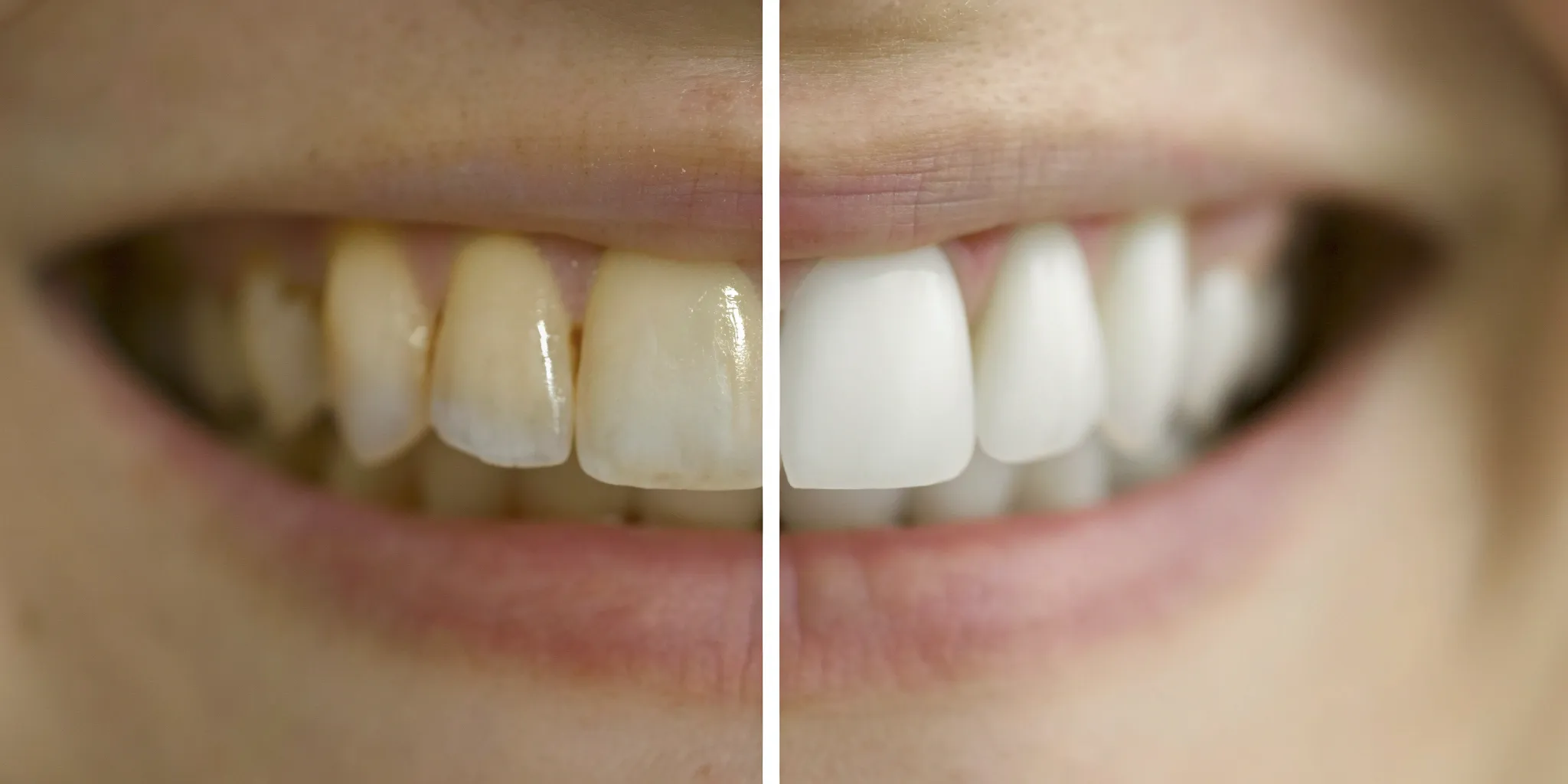
A picture really is worth a thousand words, especially when it comes to dental work. A reputable implant dentist will be proud to show off their results. Look for a gallery of before-and-after photos on their website or ask to see examples during your consultation. These photos give you a clear idea of the dentist’s aesthetic style and the quality of their work. Seeing successful smile makeover transformations can help you visualize your own potential results and feel more confident moving forward.
Breaking Down the Cost of Dental Implants
Let’s talk about one of the biggest questions on everyone’s mind: the cost. Investing in your smile with dental implants is a significant decision, and understanding the financial side is a key part of the process. The final price tag can vary quite a bit based on your specific needs, like how many teeth are being replaced and whether you need procedures like bone grafting.
While it’s impossible to give a one-size-fits-all number without a consultation, we can walk through the factors that influence the cost and the resources available to make your new smile a reality. Think of this as your financial roadmap to getting dental implants. We’ll cover average costs in the area, how insurance fits in, and the different payment solutions that can make this life-changing treatment more accessible.
Average Costs in Metairie
When you start researching, you’ll find that the cost of a single dental implant can range from a few thousand dollars upwards. For more extensive work, like full arch replacements, the investment is naturally higher. For example, some local estimates for All-on-4 dental implants in Louisiana range between $20,000 and $30,000. These figures typically include the implant post, the abutment, and the crown, but it’s always important to confirm what’s included in any quote you receive. The best way to get an accurate, personalized estimate is to schedule a consultation where a dentist can assess your oral health and create a detailed treatment plan just for you.
Understanding Insurance Coverage
Figuring out dental insurance can feel tricky, but it’s worth the effort. While many insurance plans have historically viewed implants as a cosmetic procedure, more providers are starting to offer some level of coverage, recognizing their long-term health benefits. The amount of coverage depends entirely on your specific plan. Some might cover a percentage of the cost, while others may offer an allowance toward the procedure. The first step is to contact your insurance provider directly to ask about your benefits for dental implants. Our office team is also here to help you understand your coverage and will work with you to maximize your benefits.
Exploring Financing Options
If the upfront cost feels out of reach, don’t worry—you have options. Many patients use financing to break the total cost into manageable monthly payments. This can be done through third-party financing companies that specialize in healthcare, such as CareCredit, or through personal loans or credit cards. These flexible payment plans are designed to help you get the care you need now without having to pay for it all at once. During your consultation, we can discuss the financing partners we work with and help you explore the best path forward for your budget, ensuring the financial aspect doesn’t stand in the way of your new smile.
Available Payment Plans
In addition to third-party financing, many dental practices offer their own in-house payment plans. These plans can be a straightforward way to manage the cost of your treatment directly with your provider, often without the complexities of an outside loan. An in-house payment plan can make high-quality dental care more accessible by spreading the expense over a set period. It’s a great option to ask about during your initial visit. We believe everyone deserves a healthy, confident smile, and we’re committed to working with you to find a payment solution that fits comfortably within your budget.
Ready to Choose? What to Ask Next
You’ve done your research, and now you’re ready to schedule a few consultations. This is your chance to get a feel for the practice and make sure the dentist is the right fit for you. Think of it as an interview—you’re the one in charge of hiring the best person for your smile. To make the most of this meeting, go in with a clear list of questions. This will help you compare your options and make a final decision with total confidence.
Key Questions for Your Consultation
Your consultation is the perfect time to get specific. Don’t be shy about asking about the dentist’s background and experience. You can ask things like, “How many implant procedures have you performed?” or “What is your success rate with dental implants?” It’s also a good idea to inquire about the specific techniques and materials they use. A great dentist will be happy to walk you through their process and answer every question you have. This conversation should leave you feeling informed and comfortable, not rushed or confused.
Location and Accessibility
The dental implant process involves several appointments, from the initial consultation to the final placement and follow-up visits. Choosing a conveniently located office can make a huge difference in your overall experience. Consider the drive, parking, and how easily you can fit appointments into your schedule. A practice that’s easy to get to reduces stress and ensures you never have to think twice about making it to a check-up. Look for a dentist who serves your community, whether you’re in Metairie, Baton Rouge, or a nearby area.
Emergency Care Availability
While complications are rare, it’s reassuring to know what would happen if you had an issue after hours or on a weekend. Before committing to a dentist, ask about their policy on after-hours care. Do they have an on-call number? Will you be able to reach someone from the team if you have an urgent concern? A practice that offers emergency dentistry shows a true commitment to its patients’ well-being, giving you peace of mind long after your procedure is complete.
Long-Term Follow-Up Support
A dental implant is designed to last a lifetime, but it requires proper care to do so. Your relationship with your implant dentist shouldn’t end once the crown is in place. Ask about their approach to long-term maintenance. A dedicated specialist will emphasize the importance of ongoing care, including regular cleanings and check-ups. This ensures your implant and the surrounding gums stay healthy for years to come. This commitment to your long-term oral health is a key sign of a top-tier dental practice.
Related Articles
- How to Find the Best Implant Dentist Near Me
- Single Tooth Implant Metairie: A Patient’s Guide
- Best Dental Implants in Metairie: A 2025 Guide
- Your Guide to Same Day Dental Implants in Metairie
Frequently Asked Questions
What’s the real difference between a general dentist and an implant specialist? Think of it this way: while many dentists can place an implant, a specialist has dedicated years to advanced training specifically in the surgical and restorative aspects of implant dentistry. They often hold board certifications and have performed hundreds, if not thousands, of these procedures. This depth of experience means they are equipped to handle everything from a straightforward single tooth replacement to complex full-mouth reconstructions, ensuring a higher level of precision and a more predictable, lasting result.
I’m really nervous about the surgery. Will it be painful? This is one of the most common concerns we hear, and it’s completely understandable. The great news is that modern implant procedures are designed to be as comfortable as possible. We use effective local anesthesia to ensure you don’t feel any pain during the surgery. For anyone feeling anxious, we also offer sedation dentistry options that help you relax completely throughout the entire appointment. Most people are pleasantly surprised by how minimal the discomfort is, often comparing it to a simple tooth extraction.
What if I’ve been told I don’t have enough bone for implants? That doesn’t necessarily mean implants are off the table for you. It’s common for the jawbone to shrink after a tooth has been missing for a while. A skilled implant dentist can address this with a bone grafting procedure. This is a routine oral surgery that rebuilds and strengthens your jaw, creating a solid foundation needed to support an implant securely. It’s a highly successful technique that has made it possible for many people to get the permanent smile they wanted.
How long does the entire dental implant process usually take from start to finish? The timeline can vary for each person, but the process generally happens in a few key phases over several months. After your initial consultation and planning, the implant is surgically placed. Then, there’s a healing period of a few months where the implant fuses with your jawbone. Once that bond is solid, we’ll attach the final, custom-made crown. While it’s not an overnight fix, this careful, phased approach is what makes dental implants such a reliable and long-lasting solution.
How do I care for my dental implants after the procedure? Caring for your new implant is surprisingly straightforward—you’ll treat it just like you would your natural teeth. Good daily hygiene is the most important factor for long-term success. This means brushing twice a day, flossing daily, and keeping up with your regular dental check-ups and cleanings. With consistent care, your dental implant is designed to last a lifetime.