






A missing tooth affects more than just your appearance; it sets off a chain reaction beneath the surface. Without a tooth root to stimulate it, your jawbone begins to deteriorate, which can alter your facial structure over time and impact neighboring teeth. A dental implant is the only tooth replacement solution that addresses this root cause. By mimicking a natural tooth root, the implant post fuses with your jawbone, keeping it strong and healthy. This guide explores the crucial health benefits of choosing a single tooth implant in Metairie, explaining how this modern solution does more than just complete your smile—it actively protects your oral health for decades to come.
Key Takeaways
- An Implant Protects Your Jaw Health: Unlike other options, a dental implant acts like a natural tooth root, stimulating your jawbone to prevent the bone loss that can change your facial structure over time.
- The Process is Built on Precision: Modern implant dentistry uses advanced 3D imaging to meticulously plan the exact placement of your new tooth, which leads to a safer procedure and a more predictable, successful outcome.
- Long-Term Care is Simple: Your implant is designed to last a lifetime with the same care you give your natural teeth—consistent brushing, flossing, and regular dental checkups are all it takes to protect your investment.
What is a Single Tooth Dental Implant?
If you’re missing a single tooth, you know it can affect everything from your smile to your confidence. A single tooth dental implant is a modern, permanent solution designed to fix that. Think of it as an artificial tooth that looks, feels, and functions just like your natural ones. Unlike other options that just sit on the surface, an implant becomes a secure part of your jaw, providing a strong and lasting foundation for a new tooth. It’s a complete tooth replacement, from root to crown, that helps you get back to eating, speaking, and smiling without a second thought.
The Three Parts of a Dental Implant
To understand how an implant works so well, it helps to know its three key components. First is the implant post, a small titanium screw that acts like a tooth root. It’s placed into your jawbone, where it fuses with the bone over time in a process called osseointegration. This creates an incredibly strong base. Next is the abutment, which is a connector piece that attaches to the top of the implant post. It sits right at the gumline and serves as the support for your new tooth. Finally, the custom-made crown is secured to the abutment. This is the visible part that’s carefully crafted to match the color and shape of your surrounding teeth for a seamless look.
How Does a Single Tooth Implant Work?
The process of getting a dental implant is a multi-step journey designed for long-term success. It all starts with a consultation to map out your personalized treatment plan. The next step is the procedure itself, where the titanium implant post is surgically placed into your jawbone. Then comes a healing period of a few months. This is the most important phase, as it allows your jawbone to grow around and fuse with the implant, making it strong and stable. Once your jaw has fully healed and the implant is secure, you’ll return to have the abutment and your final, custom-matched crown placed, completing your new smile.
The Technology Behind Your New Tooth
Getting a dental implant isn’t guesswork. We use advanced technology to ensure your procedure is precise, safe, and tailored just for you. It starts with 3D imaging, like a cone-beam computed tomography (CBCT) scan, which gives us a detailed, three-dimensional view of your jawbone, nerves, and surrounding teeth. This allows for meticulous planning of the exact placement and angle of your implant before the procedure even begins. Many modern practices also use computer-guided surgery, which acts like a GPS for the procedure, ensuring the implant is placed with incredible accuracy. This technology helps make the process smoother and supports a more predictable, successful outcome.
Are You a Candidate for a Dental Implant?
While dental implants are a fantastic solution for many people, they aren’t for everyone. The ideal candidate is someone in good general health with healthy gums and enough jawbone density to support the implant post. Your overall oral health is a key factor, so it’s important that any issues like tooth decay or gum disease are addressed first. The best way to find out if an implant is the right choice for you is to schedule a consultation. During this visit, we can perform a thorough examination, review your health history, and use imaging to assess your jawbone structure, giving you a clear and definitive answer.
What if You Need a Bone Graft?
If you’ve been told you don’t have enough jawbone for an implant, don’t worry—that doesn’t mean it’s off the table. It’s common for the jawbone to lose density after a tooth has been missing for a while. In these cases, a bone graft can help. This is a straightforward oral surgery procedure where new bone material (either from your own body, a donor, or a synthetic source) is added to your jaw to build it up. Over a few months, the graft integrates with your existing bone, creating a solid and dense foundation that’s strong enough to support a dental implant successfully. It’s a common preparatory step that makes implants a possibility for many more patients.
Why Choose a Single Tooth Implant?
When you lose a tooth, it’s easy to focus on the gap in your smile. But the decision of how to replace it goes far beyond just looks. A single tooth implant is more than a cosmetic fix; it’s a long-term investment in your overall oral health. Unlike other options that might need to be replaced over time, a dental implant is designed to be a permanent part of your smile. It functions just like a natural tooth, which means you can eat, speak, and laugh with complete confidence.
Choosing an implant means you’re also choosing to protect the health of your jaw and surrounding teeth. It’s the only tooth replacement option that actively prevents bone loss, helping to maintain your facial structure for years to come. While options like bridges and dentures fill the space, they don’t address the underlying issue of a missing tooth root. An implant does, providing a stable, secure, and incredibly natural-feeling solution that stands the test of time. It’s a choice that supports your health from the root up.
Looks and Feels Like a Real Tooth
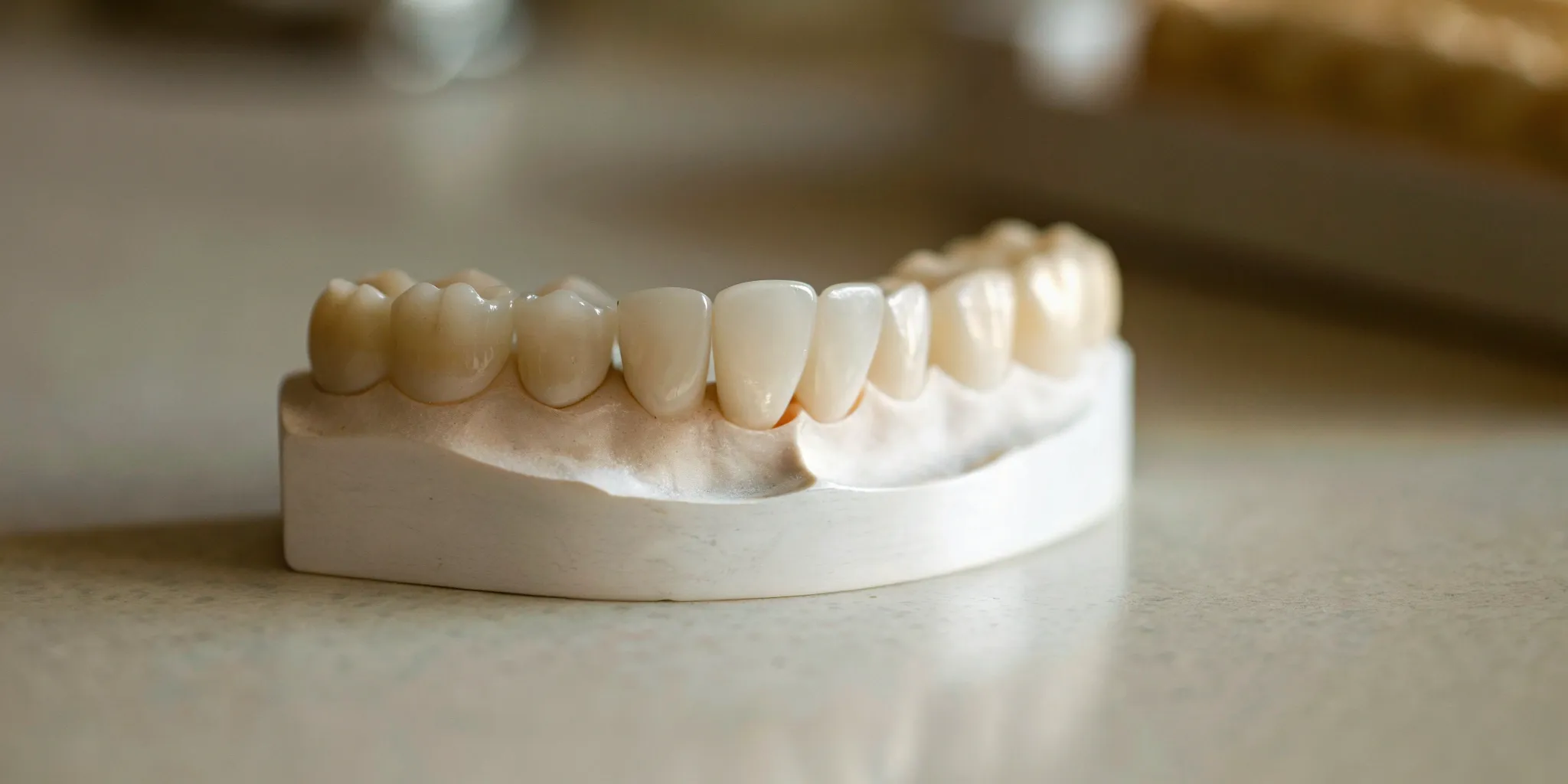
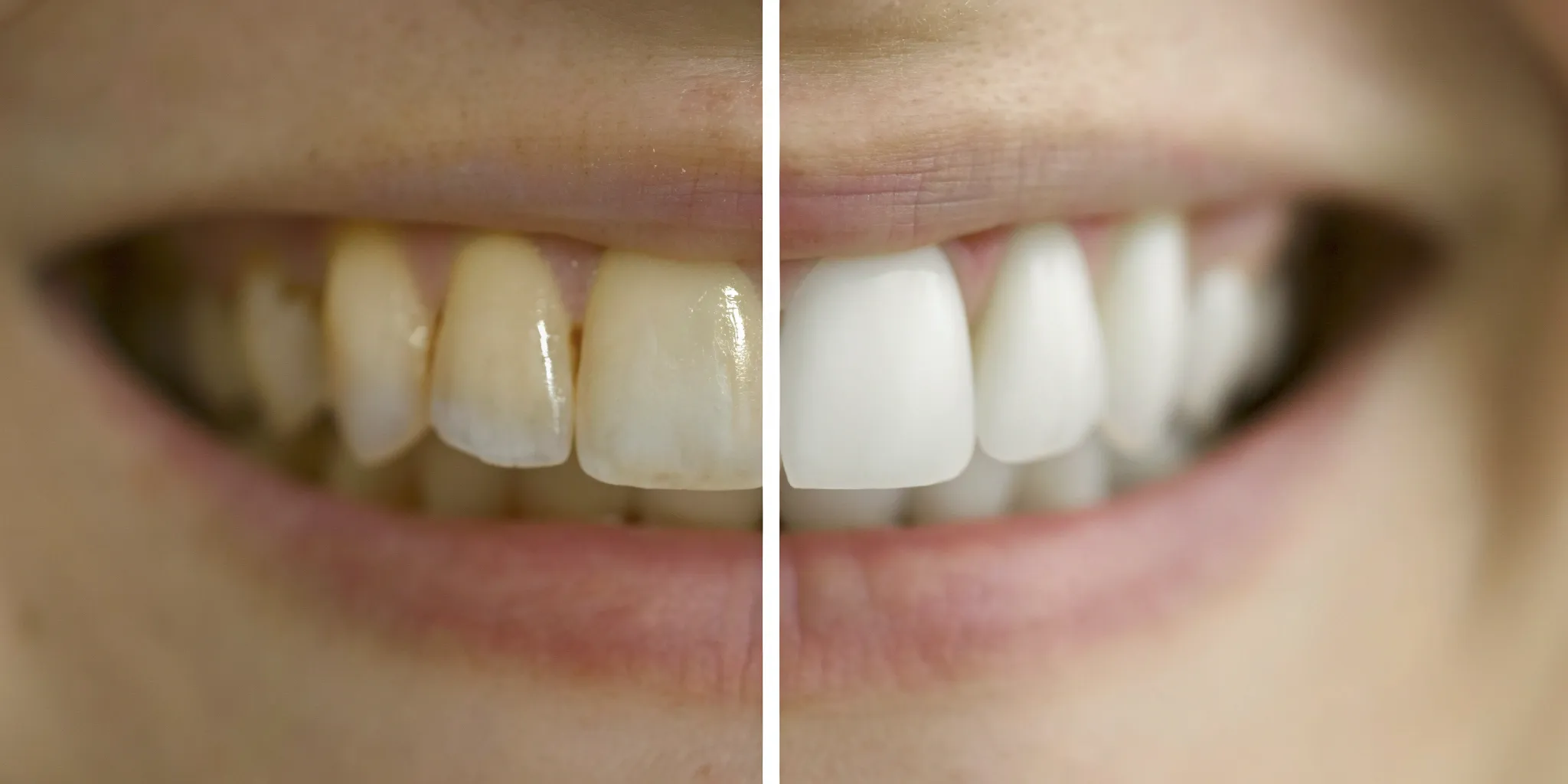
One of the biggest advantages of a dental implant is how seamlessly it blends in with your other teeth. It’s designed to be indistinguishable from a natural tooth in both appearance and function. This is because it mimics the structure of a real tooth, with a titanium post acting as the root, an abutment as the connector, and a custom-crafted crown as the visible tooth. The crown is meticulously designed to match the exact shade, size, and shape of your surrounding teeth, creating a flawless, natural-looking smile. You’ll be able to chew your favorite foods and smile for photos without a second thought.
A Durable, Long-Term Solution
If you’re looking for a permanent fix, a dental implant is the gold standard. The magic is in the materials and the design. The implant post, made from biocompatible titanium, fuses directly with your jawbone in a process called osseointegration. This creates an incredibly strong and stable foundation. With proper care—the same brushing and flossing you do for your natural teeth—that implant post can last a lifetime. While the porcelain crown on top may eventually need to be replaced due to normal wear and tear after many years, the implant itself is a durable, long-term solution you can count on.
Protect Your Jawbone Health
When you lose a tooth, you also lose its root, and that has a bigger impact than you might think. Natural tooth roots stimulate your jawbone, keeping it strong and dense. Without that stimulation, the bone begins to deteriorate, which can lead to a sunken look in your face over time. A dental implant is the only tooth replacement option that acts like a natural root. The titanium post stimulates the jawbone, preventing bone loss and preserving your facial structure. This not only protects your oral health but also helps you maintain a more youthful appearance. Strong periodontal health is key to supporting both your natural teeth and your implant.
How Implants Compare to Bridges and Dentures
While bridges and dentures are common ways to replace missing teeth, they come with significant drawbacks compared to implants. A dental bridge, for example, requires the dentist to file down the healthy teeth on either side of the gap to serve as anchors. This permanently alters perfectly good teeth. Implants, on the other hand, are standalone and don’t affect your other teeth at all. Partial dentures can sometimes feel loose or slip, making eating and speaking a challenge. Implants are securely anchored in your jaw, so they never move. Plus, both bridges and dentures typically need to be replaced every 5 to 15 years, while an implant can last a lifetime.
Success Rates and Safety of Dental Implants
It’s completely normal to have questions about the safety of any dental procedure. The good news is that dental implants have been used for decades and are considered one of the most predictable and successful treatments in dentistry, with a success rate of over 95%. The procedure is a routine part of modern oral surgery and is performed with precision and care. The titanium used for the implant post is biocompatible, meaning your body accepts it as a natural part. When placed by a skilled and experienced dentist, a dental implant is an incredibly safe and reliable way to restore your smile for good.
Your Implant Procedure in Metairie: Step-by-Step
Thinking about getting a dental implant can feel like a big step, but the process is more straightforward than you might imagine. From your first conversation with us to the moment you walk out with a complete, confident smile, we’ve mapped out a clear path. Our team handles every detail with precision and care, ensuring you feel comfortable and informed the entire way. The journey involves a few key phases: careful planning, a simple placement procedure, a healing period, and finally, placing your beautiful new tooth. Let’s walk through exactly what you can expect at each stage of your dental implant procedure right here in Metairie.
Your First Consultation and Custom Plan
Your journey begins with a one-on-one consultation. This is our chance to get to know you and for you to ask any questions you have. We’ll perform a thorough examination of your mouth, check your overall dental health, and discuss your goals for your smile. This initial meeting is all about creating a treatment plan that is tailored specifically to you. We want to make sure a dental implant is the best solution for your needs and that you feel completely confident in the plan we create together. It’s the foundational step that ensures every part of your procedure is set up for success.
Precision Planning with 3D Imaging
To get a crystal-clear picture of your oral anatomy, we use advanced 3D imaging technology. These detailed scans allow us to see your jawbone, surrounding teeth, and nerve pathways with incredible accuracy. This isn’t just a fancy picture; it’s a digital map that lets us plan the exact position, depth, and angle for your implant before the procedure even begins. This level of precision planning is key to a safe and successful outcome. It helps us avoid any surprises and ensures your new tooth will fit perfectly and function beautifully for years to come.
How to Prepare for Your Procedure
Getting ready for implant day is simple. We’ll give you a set of clear, easy-to-follow instructions to make sure everything goes smoothly. This might include guidance on eating or drinking before your appointment, especially if you’re opting for sedation. One of the most important steps is to arrange for a friend or family member to drive you home afterward, as you’ll need time to rest and recover. Think of it like preparing for any minor medical procedure—a little planning ahead helps you have a relaxed, stress-free experience.
The Implant Placement Procedure
On the day of your procedure, our focus is on your comfort. After making sure you’re relaxed, your dentist will perform the oral surgery to place the small titanium implant post into your jawbone. This post acts as the new root for your tooth. In some cases, if your jawbone needs a bit more support, we might perform a bone graft to create a stronger foundation. The procedure itself is efficient, and thanks to modern techniques and anesthesia, you won’t feel any pain. You’ll leave our office ready to begin the healing process.
What to Expect During Recovery
After your implant is placed, your body begins a natural healing process called osseointegration. This is where your jawbone gradually fuses with the titanium post, creating an incredibly strong and stable base for your new tooth. This healing phase typically takes a few months and is the secret to why dental implants are so durable. We’ll provide you with detailed aftercare instructions to keep you comfortable during this time. Most people find recovery to be very manageable and are back to their normal routines quickly, with minimal disruption to their daily lives.
Placing Your Final, Custom Crown
Once your implant has fully integrated with your jawbone, you’re ready for the final step: receiving your new tooth. We’ll attach a small connector piece, called an abutment, to the implant post. Then, we’ll secure your custom-crafted crown on top. This crown is meticulously designed to match the color, shape, and size of your surrounding teeth, blending in seamlessly with your smile. This is the moment it all comes together, restoring both the look and function of your missing tooth. It’s a key part of our cosmetic dentistry services that completes your smile transformation.
Your Comfort: Sedation and Pain Management
We understand that dental anxiety is real, and your comfort is our top priority. We offer several sedation options to help you feel completely relaxed and at ease during your implant placement. Whether you prefer light sedation or something deeper, we’ll find the right choice for you so the procedure feels like a breeze. You won’t feel any pain during the surgery, and any post-procedure discomfort is typically mild and easily managed with over-the-counter pain relievers. Our goal is to make your entire experience positive and stress-free.
Breaking Down the Cost of Your Implant
Let’s talk about one of the most practical questions on everyone’s mind: what is the investment for a dental implant? Understanding the costs involved is a crucial step in your decision-making process. While the price tag can seem significant at first, it’s helpful to see it as a long-term investment in your health, confidence, and daily comfort. The final cost is unique to your specific needs, but we can break down the typical expenses and factors that contribute to them. Our goal is to provide clarity and help you understand the financial side of restoring your smile, so you can move forward with confidence. We believe in transparency, and our team is always here to walk you through your personalized treatment plan and all available payment options.
What’s the Average Cost in Metairie?
While it’s impossible to give a one-size-fits-all number, we can provide a general idea. In the Metairie area, a single dental implant—which includes the implant post, the connecting abutment, and the final crown—can range from $3,000 to $5,000. This estimate is a helpful starting point, but your individual cost will depend on your specific situation. The best way to get an exact number is to come in for a consultation. During your visit, we’ll perform a thorough examination, discuss your goals, and create a detailed treatment plan with a clear breakdown of all associated costs. There are no hidden fees, just a straightforward plan to restore your smile.
Does Insurance Cover Dental Implants?
This is a common question, and the answer really depends on your specific insurance plan. Dental insurance policies vary quite a bit. Some plans cover a percentage of the cost for dental implants, while others may classify them as a cosmetic procedure and offer limited or no coverage. It’s always a good idea to contact your insurance provider directly to understand your benefits. Our team at Pearl Dental Group has years of experience working with insurance companies. We are happy to help you with the paperwork and find out what your plan covers, ensuring you get the most out of your benefits.
Flexible Financing and Payment Plans
We believe that financial considerations shouldn’t stand in the way of getting the best care for your smile. That’s why we work with you to make treatment affordable. Many of our patients use their Health Savings Account (HSA) or Flexible Spending Account (FSA) to pay for their procedure with pre-tax dollars. Beyond that, we offer flexible financing options and payment plans that can break the total cost into manageable monthly payments. During your consultation, we can discuss these options in detail and find a solution that fits comfortably within your budget. Our priority is helping you get the care you need without financial stress.
Factors That Influence the Final Cost
Several elements come together to determine the final cost of your dental implant. Your treatment plan is tailored just for you, and these factors play a role in the pricing. The complexity of your procedure, the materials used for your custom crown (like zirconia or porcelain), and the specific technology involved all contribute to the total. The experience of the dental team and the location of the practice are also factors. At Pearl Dental Group, we use advanced technology to ensure precision and comfort, which is part of the overall value and contributes to the high success rate of our procedures.
Understanding Potential Additional Costs
Sometimes, your mouth needs a little prep work to be ready for an implant. If you’ve had a missing tooth for a while, your jawbone may have lost some of its density. In this case, a bone graft might be necessary to create a strong and stable foundation for the implant post. Similarly, if the tooth being replaced needs to be extracted first, that would be an additional step. These preparatory procedures, like bone grafts or oral surgery, are essential for the long-term success of your implant. We will identify any required treatments during your initial consultation, so you’ll have a complete picture of your care plan from the start.
Why an Implant is a Smart Investment
When you look at the benefits, a dental implant is more than just a replacement tooth—it’s an investment in your overall quality of life. Unlike dentures or bridges, which may need adjustments or replacements over the years, a dental implant is a permanent solution designed to last a lifetime with proper care. It protects your jawbone health, prevents surrounding teeth from shifting, and allows you to eat, speak, and smile without a second thought. By choosing a durable, stable, and natural-looking solution, you’re investing in decades of confidence and comfort, which can save you time and money in the long run.
How to Choose Your Metairie Implant Dentist
Choosing the right dentist for your implant is one of the most important decisions you’ll make in this process. This is a long-term investment in your health and confidence, so you want to find a team you trust completely. Think of it like finding any other specialist—you’re looking for a combination of deep expertise, modern tools, and a supportive environment where you feel heard and comfortable.
When you start your search, focus on more than just a convenient location. You’re looking for a partner who will guide you through every step, from the initial consultation to the final placement of your new tooth. A great implant dentist will not only have the technical skills but will also take the time to explain your options and create a plan that’s tailored specifically to you. Taking a little extra time to research now will pay off with a smile you love for years to come.
What to Look for in an Implant Specialist
When you’re looking for an implant dentist, qualifications are a great place to start. You want someone with extensive training and a proven track record. Look for specialists like periodontists, who focus on gum health and the structures supporting your teeth, as they have advanced education in placing dental implants.
Board certification is another key indicator of expertise. It means a dentist has gone above and beyond the standard licensing requirements to prove their knowledge in a specialty. This extra qualification shows a deep commitment to their field and ensures you’re in the hands of an expert. Don’t be shy about asking about a dentist’s specific training and experience with implant procedures during your consultation.
The Importance of Advanced Technology
The right technology can make a huge difference in the success and comfort of your dental implant procedure. Modern dental offices use advanced tools that allow for incredible precision, which often leads to better outcomes and a smoother recovery. For example, many top specialists use computer-guided surgery to plan the exact position and angle of the implant before the procedure even begins.
This level of detailed planning helps ensure the implant integrates perfectly with your jawbone and supports your new tooth correctly. Using 3D imaging and other advanced diagnostics also gives your dentist a complete picture of your oral health. This technology is a key part of modern oral surgery and helps make your treatment as safe and effective as possible.
Key Questions to Ask at Your Consultation
Your consultation is your opportunity to get all your questions answered and make sure you feel confident about moving forward. A good dentist will welcome your questions and provide clear, straightforward answers. The first step is always for the dentist to determine if you’re a good candidate for implants.
Come prepared with a list of things you want to know. You might ask about their experience with cases like yours, what the full treatment timeline looks like, and what technology they use for planning and placement. This is also a great time to discuss your goals for your smile. Whether an implant is a standalone procedure or part of a larger smile makeover, clear communication ensures everyone is on the same page.
How to Read Patient Reviews
Patient reviews offer a fantastic window into what you can expect from a dental practice. When you read them, look beyond the star rating. Search for comments that describe the actual patient experience. Do people mention feeling comfortable and well-cared-for? Reviews that praise a “courteous, caring, and professional staff” can tell you a lot about the office culture.
Look for details about the results and the process. Comments about pain-free procedures or satisfaction with the final outcome are great signs. Reading reviews can help you build a picture of the practice’s commitment to patient care. At Pearl Dental Group, we are proud of the positive experiences our patients share and believe it reflects our dedication to providing exceptional care.
How to Care for Your Dental Implant
Getting a dental implant is a fantastic investment in your smile and overall health. Now, the key is to protect that investment. The great news is that caring for your new tooth is surprisingly straightforward. Your implant is designed to function just like a natural tooth, and your care routine will reflect that. With consistent, simple habits, you can ensure your implant lasts for many years to come—potentially even a lifetime. Think of it less as a chore and more as a simple commitment to maintaining the beautiful, healthy smile you’ve worked to achieve. Following these guidelines will help you keep your implant, gums, and surrounding teeth in top condition.
Your First Few Days: Aftercare Instructions
The first few days after your procedure are all about healing. Your main job is to rest and let your body recover. If you received IV sedation, it’s essential that a trusted friend or family member drives you home and stays with you for the first 24 hours. You can expect some mild discomfort and swelling, which is a normal part of the healing process. We recommend sticking to soft foods and liquids for a few days to avoid putting pressure on the new implant. Your dentist will provide you with a detailed set of personalized aftercare instructions—be sure to follow them closely to ensure a smooth and speedy recovery.
Simple Daily Care for Your Implant
Once you’re past the initial healing phase, caring for your implant feels a lot like caring for your natural teeth. There are no complicated routines required. The goal is to keep the implant and the surrounding gum tissue clean and healthy. This means brushing twice a day with a soft-bristled toothbrush and non-abrasive toothpaste, and flossing at least once daily. Using a water flosser can also be an excellent way to clean around the implant. This consistent routine is the foundation of good general dentistry and is the single best thing you can do to ensure your implant’s long-term success.
The Importance of Regular Checkups
While your daily habits are crucial, professional oversight is just as important. Scheduling regular dental checkups allows our team to monitor your implant, the custom crown, and the health of your gums. During these visits, we can professionally clean the area and check to make sure everything is functioning perfectly. These appointments are the best way to catch any potential issues before they become serious problems. With a combination of great home care and consistent professional cleanings, your dental implants have an excellent chance of lasting a lifetime, making them a truly permanent solution for a missing tooth.
When to Call Your Dentist
It’s normal to experience some swelling and tenderness for a few days after your procedure, but this should gradually improve. However, it’s important to know what signs warrant a call to our office. If you experience severe pain that isn’t managed by medication, swelling that worsens after three days, persistent bleeding, or a fever, please contact us right away. You should also let us know if the implant feels loose or if you notice any signs of infection, like pus. Don’t hesitate to reach out; we’re here to help and can provide guidance if you have an emergency dental concern.
Tips for Lifelong Implant Health
Your dental implant is incredibly durable, but it isn’t indestructible. To keep it in great shape for life, it’s wise to avoid habits that could damage it or your natural teeth. This includes chewing on very hard items like ice, popcorn kernels, or hard candy. If you grind your teeth at night, we may recommend a custom nightguard to protect your implant and your other teeth from excessive pressure. By combining excellent oral hygiene with regular dental visits and a few mindful habits, you can enjoy the stability, function, and confidence that come with a healthy, complete smile for decades.
Related Articles
- What Does a Single Tooth Implant Cost in 2025?
- Your Guide to Dental Implants in Metairie
- Full Mouth Dental Implants: Cost, Process & More
- 5 Best Dental Implants in Baton Rouge (2025 Guide)
- Cost of a Single Tooth Implant: What to Expect in 2025
Frequently Asked Questions
Does getting a dental implant hurt? This is easily the most common question, and the answer is no, the procedure itself is not painful. We make sure the area is completely numb, and we offer sedation options to help you feel relaxed and comfortable the entire time. Afterward, it’s normal to feel some mild soreness and tenderness for a few days, similar to what you might feel after any minor dental work. This is typically very manageable with over-the-counter pain relievers.
How long does the entire dental implant process take? The full process is a journey that happens in a few key stages, usually spanning several months. After your initial consultation and planning, the implant placement itself is one appointment. The most important phase is the healing period that follows, which can take anywhere from three to six months. This allows the implant to securely fuse with your jawbone. Once that foundation is solid, you’ll come back for one or two final appointments to have your custom tooth placed.
Will my new implant feel and function just like a real tooth? Yes, and that’s the real beauty of a dental implant. Because the implant post is anchored directly into your jawbone, it provides incredible stability—just like a natural tooth root. You won’t have to worry about it slipping or feeling loose. Once your final crown is attached, you’ll be able to eat your favorite foods, speak clearly, and smile with complete confidence. Most people say that after a short time, they completely forget it’s not their original tooth.
How long will my dental implant actually last? With proper care, your dental implant is designed to be a permanent solution. The titanium post that fuses with your jawbone can last a lifetime. The custom crown attached to it is made from incredibly durable materials, but just like a natural tooth, it can experience wear over time. You can expect the crown to last for many years, often 15 or more, before it might need to be replaced. Consistent brushing, flossing, and regular dental checkups are the best ways to ensure its longevity.
I’ve been missing a tooth for years. Is it too late to get an implant? It’s very likely not too late. It’s true that the jawbone can begin to shrink after a tooth has been missing for a while, which can make implant placement more complex. However, a procedure called a bone graft can be used to rebuild and strengthen the area, creating a solid foundation for an implant. Many of our patients who have had a gap for years are still excellent candidates. The best way to know for sure is to schedule a consultation so we can assess your specific situation.